Bone health is a fundamental element that forms the foundation of our bodies. In modern society where the risk of fractures due to osteoporosis is increasing, maintaining bone strength and density is not an option but a necessity. This article introduces science-based natural methods for recovering and strengthening lost bone. Through proper nutrition, exercise, and lifestyle improvements, anyone can regain bone health.
Definition and Functions of Bone
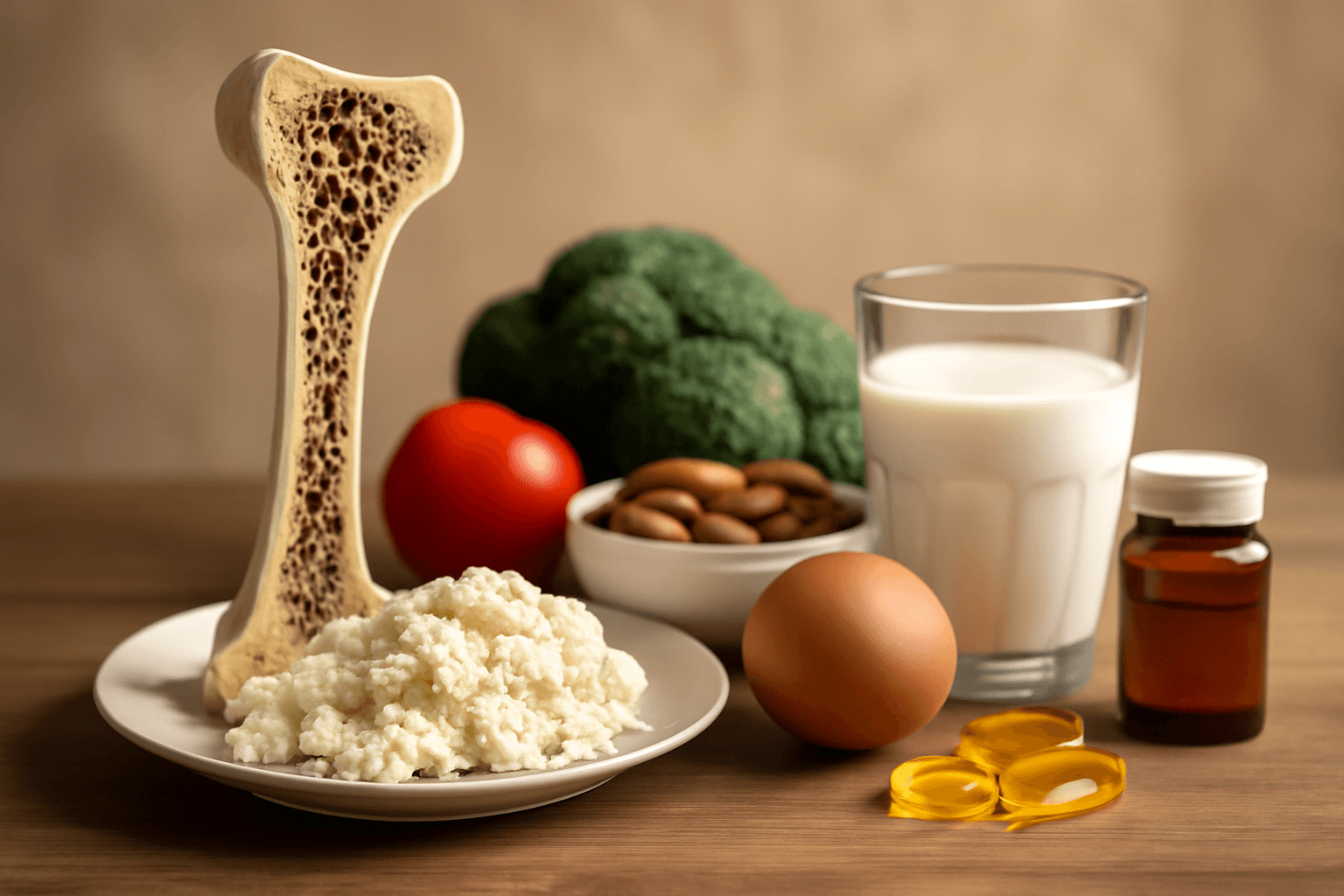
Bone is not simply a mineral storage unit but living tissue that performs several important roles in the body. The main functions of bone are divided into three categories.
First, it provides structural support. The 206 bones that make up our skeleton protect muscles, organs, and nerves. The vertebrae protect the spinal cord, the skull protects the brain, and the ribs act as a protective wall for the heart and lungs.
Second, it serves as a mineral storage function. Calcium and phosphorus stored in bone account for 99% of total body calcium and 85% of phosphorus. When blood calcium levels drop, bone releases calcium to regulate essential physiological functions for life maintenance, including muscle contraction, nerve transmission, and hormone secretion.
Third, it has blood-producing function. The bone marrow inside bones produces approximately 20 billion red blood cells and white blood cells daily. This is absolutely crucial for oxygen transport, immune function, and infection defense.
Bone is a dynamic tissue that is completely replaced approximately every 10 years. Bone continues to grow and increase in density until age 25, but after age 35, the rate of bone loss accelerates faster than the rate of new bone formation. Women lose 3-5% of bone mineral density annually for 5-10 years after menopause, so they require extra attention.
What is Bone Mineral Density?
Bone mineral density is the most important indicator for assessing bone strength and fracture risk. It is a measurement of the amount of minerals (mainly calcium and phosphorus) contained per cubic centimeter of bone.
Medical assessment criteria for bone mineral density:
- Normal: T-score of -1.0 or higher (based on DXA scan)
- Osteopenia: T-score between -1.0 and -2.5 (bone is weaker than normal)
- Osteoporosis: T-score of -2.5 or lower (very high fracture risk)
Low bone mineral density means fractures can occur easily from minor falls or impacts. One in three women over age 50 and one in twelve men experience fractures due to osteoporosis. In particular, hip bone (femur) fractures can lead to serious complications, making early prevention extremely important.
Key factors for increasing bone mineral density: Adequate calcium and vitamin D intake, regular exercise (especially weight-bearing exercise), hormone balance, stress management, and quitting smoking and limiting alcohol directly impact bone mineral density improvement. For premenopausal women, maintaining estrogen levels is effective in slowing bone loss.
Best Bone Health Supplements
Nutritional supplementation for bone health is very effective when diet alone is insufficient. The following are scientifically proven major supplements.
Vitamin D is the most important nutrient for bone health. Vitamin D promotes calcium absorption in the intestines and increases bone mineral density. The recommended daily amount for adults is 600-800 IU, but 1000-2000 IU is recommended when bone health is a concern. For people living in regions or seasons with limited sun exposure, supplement intake is essential.
Calcium is a major component of bone. The recommended daily calcium intake for adults is 1000 mg (1200 mg for women over 50). While abundant in dairy products, leafy green vegetables, and nuts, deficiencies should be covered with supplements. Calcium supplement absorption is more than three times higher when taken with vitamin D.
Magnesium comprises 25-60% of bone structure. It aids calcium absorption and utilization and is essential in the bone formation process. The recommended daily amount is 400-420 mg for men and 310-320 mg for women, and it is abundant in spinach, pumpkin seeds, and almonds.
Vitamin K2 is essential for bone protein synthesis. Research shows that women with high vitamin K2 intake have higher bone mineral density and lower fracture risk. The recommended daily amount is 90μg (women) to 120μg (men), and it is found in cheese, yogurt, and fermented foods.
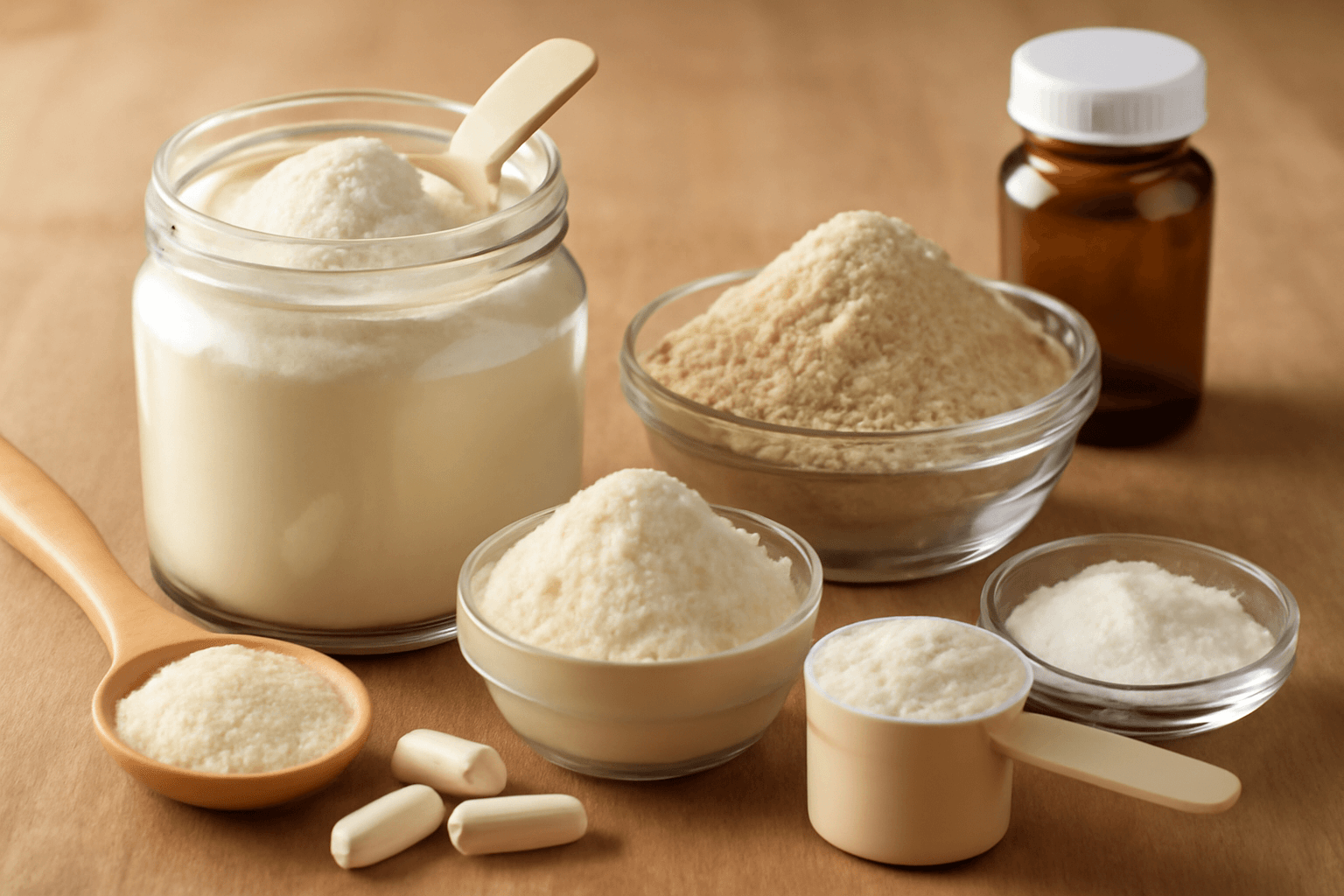
Collagen peptides increase bone flexibility and elasticity. In a 10-week collagen supplementation study, bone loss decreased significantly. Daily intake of 10 g of collagen is effective.
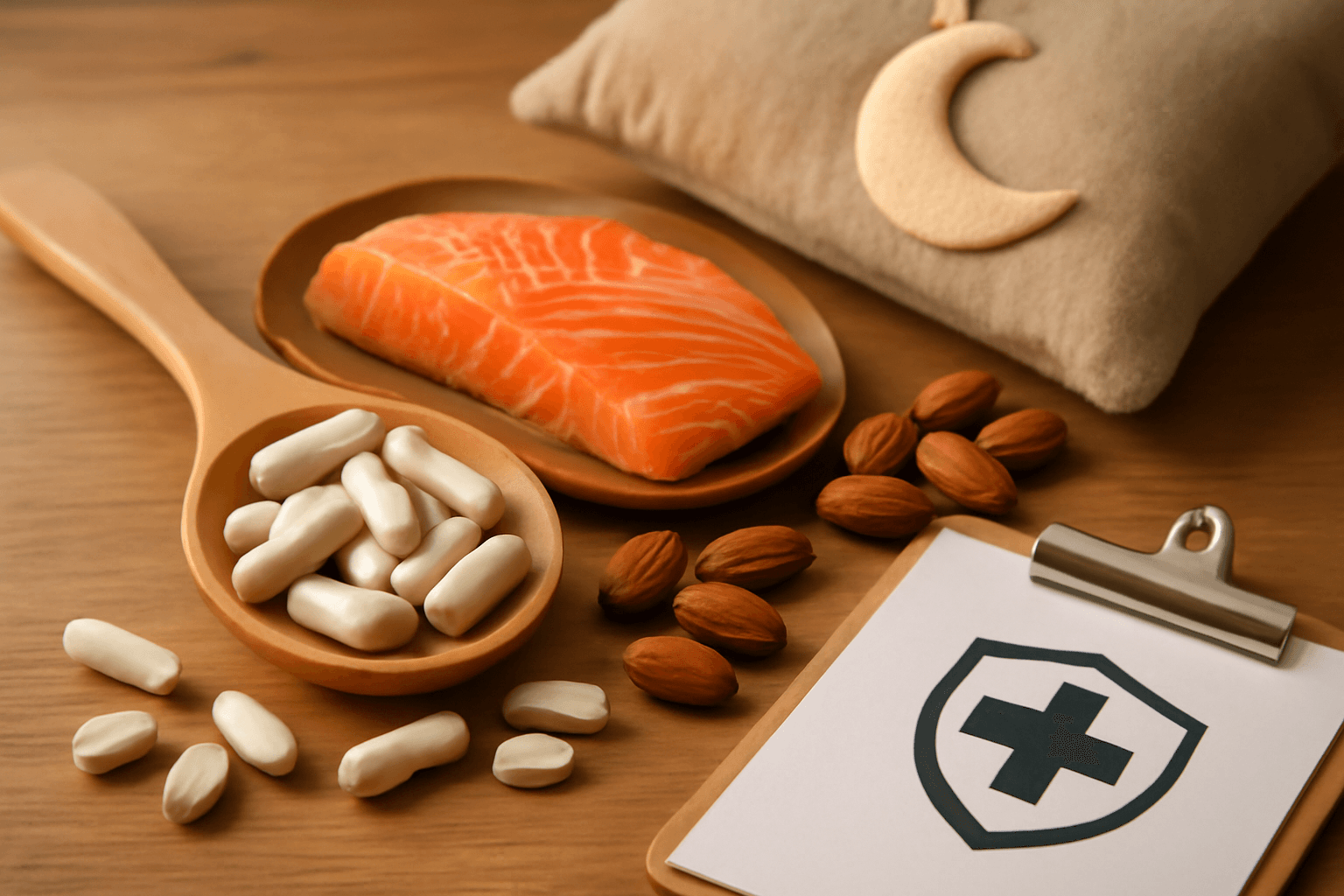
Medical consultation: Before taking supplements, it is important to consult with a doctor considering individual health status, current medications, and allergies.
Most Effective Exercises to Strengthen Bone
Exercise is the most powerful natural remedy for increasing bone density and preventing bone loss. Bone is an adaptive tissue that becomes stronger in response to mechanical stress.
Weight-bearing exercises: These are exercises that apply force to bones against gravity. Walking, jogging, climbing stairs, hiking, dancing, and jump rope are effective. At least 150 minutes per week of moderate-intensity aerobic exercise is recommended. These exercises particularly increase bone mineral density in the spine, hip, and ankle.
Resistance training: This includes weight training, resistance band exercises, and bodyweight exercises (push-ups, squats). Exercising 2-3 times per week for 20-30 minutes at a time significantly increases bone mineral density. Exercises targeting the lower body and spine (squats, deadlifts, lunges) are most effective.
Balance exercises: Yoga, tai chi, and Pilates are effective for both fall prevention and bone strengthening. For older adults over 65, the fall prevention effect is particularly important.
Exercise frequency and intensity: A minimum of 3 days per week with 20-30 minutes or more per session is needed. Consistency is important, so choosing an exercise you can maintain is advisable. Medical clearance should be obtained before starting exercise, and especially if osteoporosis has already been diagnosed, high-impact exercises should be avoided and training should be done under professional supervision for safety.
Research findings: Postmenopausal women who maintained regular resistance exercise for one year increased bone mineral density by 1-3%, while the non-exercise group decreased bone mineral density by 2-3%.
Reducing Risk Factors that Lower Bone Mineral Density
Eliminating factors that damage bone health is as important as active strengthening efforts.
Stress management: Chronic stress raises cortisol hormone levels and interferes with bone formation. People with high stress have bone mineral density 5-10% lower on average. Daily stress management of 15-20 minutes through relaxation techniques such as meditation, deep breathing, and yoga is essential.
Limiting caffeine and salt: Excessive caffeine intake (400 mg or more daily) interferes with calcium absorption. Salt also increases calcium loss from bone. It is recommended to maintain daily salt intake at 2300 mg or less.
Limiting alcohol: Heavy drinking interferes with bone formation and reduces calcium absorption. For women, consuming more than 7 drinks per week and for men, more than 14 drinks per week increase bone mineral density loss and fracture risk.
Quitting smoking: Bone mineral density in smokers is 5-10% lower than in non-smokers. Tobacco interferes with osteoblast function and lowers estrogen levels. Quitting smoking is the most effective bone health investment.
Adequate calorie intake: Excessive dieting accelerates bone loss. Particularly for postmenopausal women, low-calorie dieting causes severe bone mineral density loss. To maintain healthy weight, at least 85% of daily required calories should be consumed.
Effects of certain medications: Long-term use of corticosteroids (steroids) decreases bone mineral density by more than 30%. Excessive thyroid hormone supplementation and some anticonvulsants also negatively affect bone. If taking these medications, regular consultation with healthcare providers and periodic bone health screening are necessary.
The Actual Mechanisms of Bone Formation
Bone is not a static tissue but a dynamic system that continuously remodels. Understanding this process clarifies which nutrients and lifestyle habits are important.
Bone Remodeling process: Bone is completely replaced approximately every 10 years. This process is carried out by two types of cells. Osteoclasts break down damaged or aging bone, and osteoblasts form new bone matrix. Approximately 300-400 mg of calcium is released from and absorbed into bone daily.
Role of protein: Approximately 35% of bone weight consists of collagen protein. Collagen provides the basic framework of bone, and minerals add hardness to this framework. Inadequate protein intake reduces new bone formation. The recommended daily protein intake for adults is 0.8 g per kg of body weight (1.0-1.2 g for those over 50).
Hormone influence: Estrogen and testosterone regulate osteoclast activity to prevent excessive bone loss. The sharp drop in estrogen at menopause accelerates bone loss. Thyroid hormone, parathyroid hormone, and growth hormone also regulate bone remodeling.
Dual role of vitamin A: Adequate vitamin A (700μg daily for women, 900μg for men) is essential for osteoblast differentiation. However, excessive intake (3000μg or more daily) paradoxically increases bone loss. Overdose is rare from common foods like carrots, sweet potatoes, and kale, so caution is only needed when taking supplements.
Role of potassium: A potassium-rich diet lowers blood acidity and reduces calcium loss from bone. The recommended daily potassium intake is 2600-3400 mg, and it is abundant in fruits and vegetables like bananas, avocados, and spinach. The high potassium intake group has significantly higher bone mineral density compared to the low intake group.
Connection between immunity and bone health: When the immune system becomes overactive, inflammatory cytokines increase, promoting bone loss. Research shows that people with high gut microbiota diversity have higher bone mineral density. Probiotic intake and diverse dietary fiber consumption indirectly support bone health.
Summary
Key points for bone health recovery and strengthening:
- Nutrition: Daily intake of 1000-1200 mg calcium, 600-2000 IU vitamin D, 0.8-1.2 g protein per kg of body weight, and 2600-3400 mg potassium is essential
- Exercise: Combine weight-bearing and resistance exercises 3 or more times per week, 20-30 minutes each
- Lifestyle habits: Stress management, quitting smoking, limiting alcohol, avoiding excessive caffeine
- Regular screening: Bone mineral density test every 2 years for those 50 and over or with risk factors
- Medical consultation: Professional consultation is essential before taking supplements or starting a new exercise program
Bone can be strengthened at any time through active management. Complete recovery typically takes 6-12 months on average, but with consistent effort and science-based approaches, results are inevitable. Starting with small lifestyle changes and improving continuously can significantly enhance quality of life over the next 10 or 20 years.