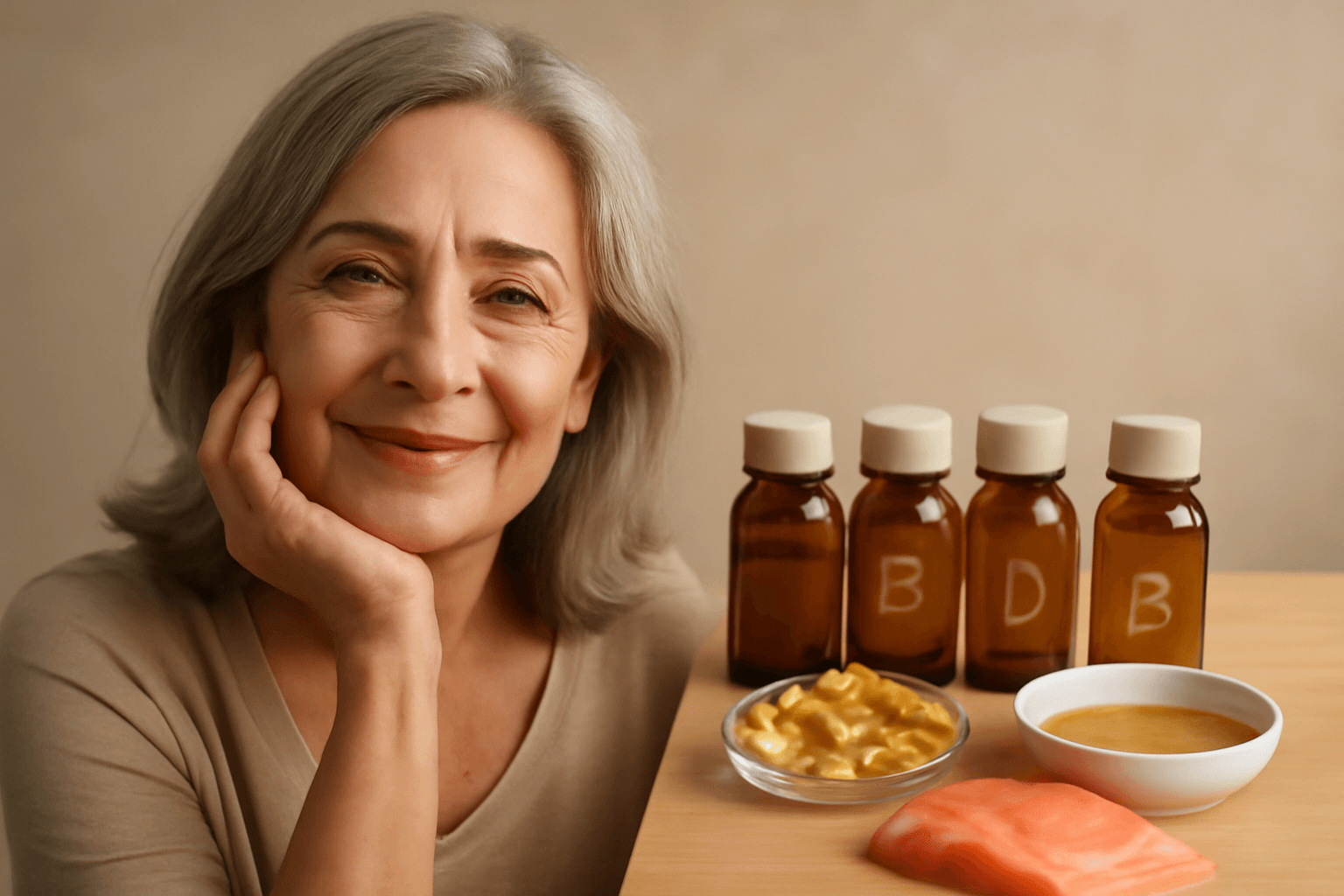
As we age, it's natural for our skin to lose elasticity, wrinkles to develop, and bodily functions to decline. Yet many people resist this reality and rely unconditionally on anti-aging products. True health and happiness, however, lie in "pro-aging"—accepting our age while managing the aging process in a healthy way. This article presents the right approach to nutrition and lifestyle starting from middle age, so you can age with confidence.
Pro-Aging vs. Anti-Aging
Anti-aging is a philosophy that views aging itself as an enemy, treating wrinkles, gray hair, and bodily changes as "problems to be eliminated." Pro-aging, by contrast, acknowledges the natural aging process while aiming to age in a healthy and vibrant way.
The core of pro-aging lies in maintaining overall bodily function and improving quality of life rather than improving appearance. Research shows that nutrient absorption decreases by 20-30% as we age, and supplementing these nutrients is crucial for maintaining vitality and preventing disease. For example, vitamin B12 absorption drops by more than half after middle age, and calcium absorption follows the same pattern.
Pro-aging isn't simply accepting external changes; it prioritizes internal health by providing what the body actually needs. This approach naturally improves appearance, but more importantly, it significantly enhances quality-of-life indicators such as energy levels, sleep quality, immunity, and mental health.
The Dangers of Anti-Aging Trends
Indiscriminate use of anti-aging products can have more side effects than expected. Overusing potent retinol products, procedures, and medications can damage the skin barrier, increase sensitivity, and potentially accelerate aging in the long term. Additionally, the pursuit of flawless appearance often leads to body image dissatisfaction and mental health issues.
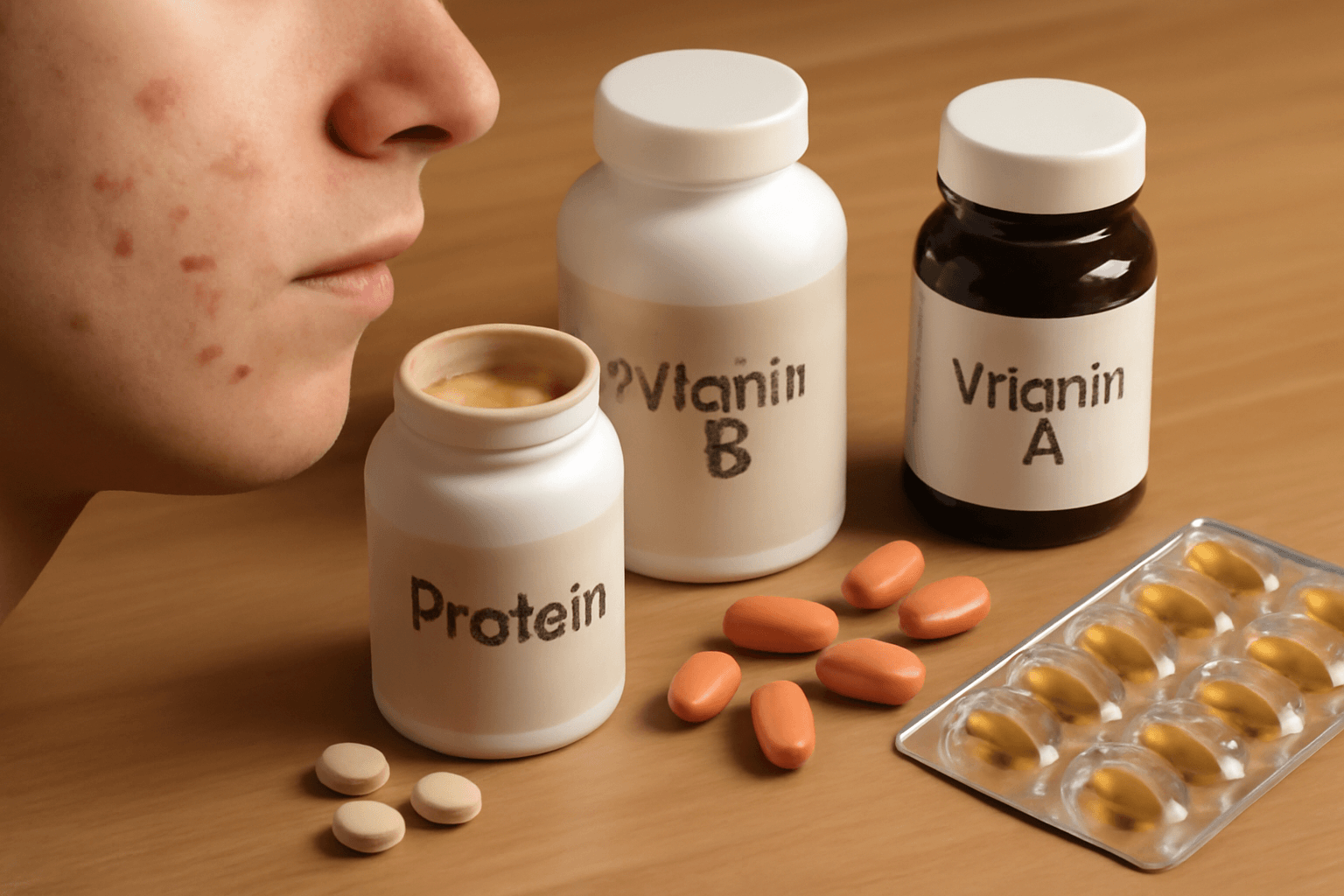
According to a study by the American Academy of Dermatology, more than 60% of people who underwent excessive procedures experienced skin damage within five years. Particular caution should be taken with excessive use of vitamin A derivatives. Retinol and tretinoin, commonly found in anti-aging products, can make skin thinner and more sensitive and increase the risk of birth defects in pregnant women.
Moreover, the anti-aging industry uses fear as a marketing tool to treat natural aging as a disease requiring cure. This leads not only to significant financial costs but also psychological harm from rejecting one's own body. From a pro-aging perspective, a 45-year-old face and a 25-year-old face are necessarily different—this is not a "flaw" but nature.
Proper Eating Habits for Aging Well
The foundation of pro-aging is proper nutrition. After middle age, the body requires more antioxidants, minerals, and protein. Most importantly, foods that prevent cellular damage and reduce inflammation should be prioritized.
The first category of foods to eat is those rich in omega-3 fatty acids. Omega-3 found in fatty fish such as mackerel, salmon, and sardines simultaneously improves brain health, cardiovascular health, and skin hydration. Research shows that consuming 150g of fish two to three times a week alone reduces inflammation markers by 15-25%.
The second category is colorful foods rich in antioxidants. Polyphenols and carotenoids found in berries, broccoli, kale, carrots, and tomatoes neutralize free radicals and maintain skin elasticity. In particular, lycopene in tomatoes reduces UV-induced skin damage by 30% according to research.
The third is to increase protein intake by 20% compared to pre-middle age. Since muscle loss accelerates by 1% annually after middle age, 1.2-1.6g of protein per kilogram of body weight daily is necessary. Eggs, Greek yogurt, tofu, and legumes are good sources.
Finally, minimize processed foods, refined carbohydrates, and excess sugar. These cause rapid blood sugar spikes that promote glycation, which damages collagen and accelerates skin aging.
Best Supplements to Take in Middle Age
Even a perfect diet cannot fully meet nutritional needs after middle age. Certain supplements are essential for maintaining bodily function. However, they should be chosen according to individual health status in consultation with healthcare professionals.
Vitamin D is the most important supplement. Vitamin D deficiency is directly linked to osteoporosis, depression, and weakened immunity. More than 80% of middle-aged people suffer from deficiency, especially in winter with limited sun exposure. A daily supplement of 1000-2000 IU is recommended.
Omega-3 supplements are essential when fish consumption is insufficient. A daily combination of 1000-2000mg EPA and DHA reduces cardiovascular disease risk by 20% and slows cognitive decline.
Vitamin B12 is very important for middle-aged people. Many unknowingly suffer from deficiency due to reduced absorption, which can lead to fatigue, cognitive decline, and nerve damage. Monthly injections or daily supplements are recommended.
Magnesium is deficient in most middle-aged people. Daily intake of 300-400mg is effective for relieving muscle cramps, improving sleep quality, and regulating blood pressure. The magnesium-glycinate form is most effective for stress management and sleep improvement.
Collagen
Collagen is the primary structural protein in skin, bones, joints, and hair, and decreases by 1% annually starting at age 25. By the 50s, it has decreased by more than half compared to youth, so supplementation can help.
Among Type I, II, and III collagen, Type I collagen is most important for skin and hair. When consumed in hydrolyzed collagen (collagen peptide) form, it is broken down into amino acids in the body for easier absorption. Women who consumed 10g of hydrolyzed collagen daily for 12 weeks experienced a 28% increase in skin hydration and improved skin elasticity.
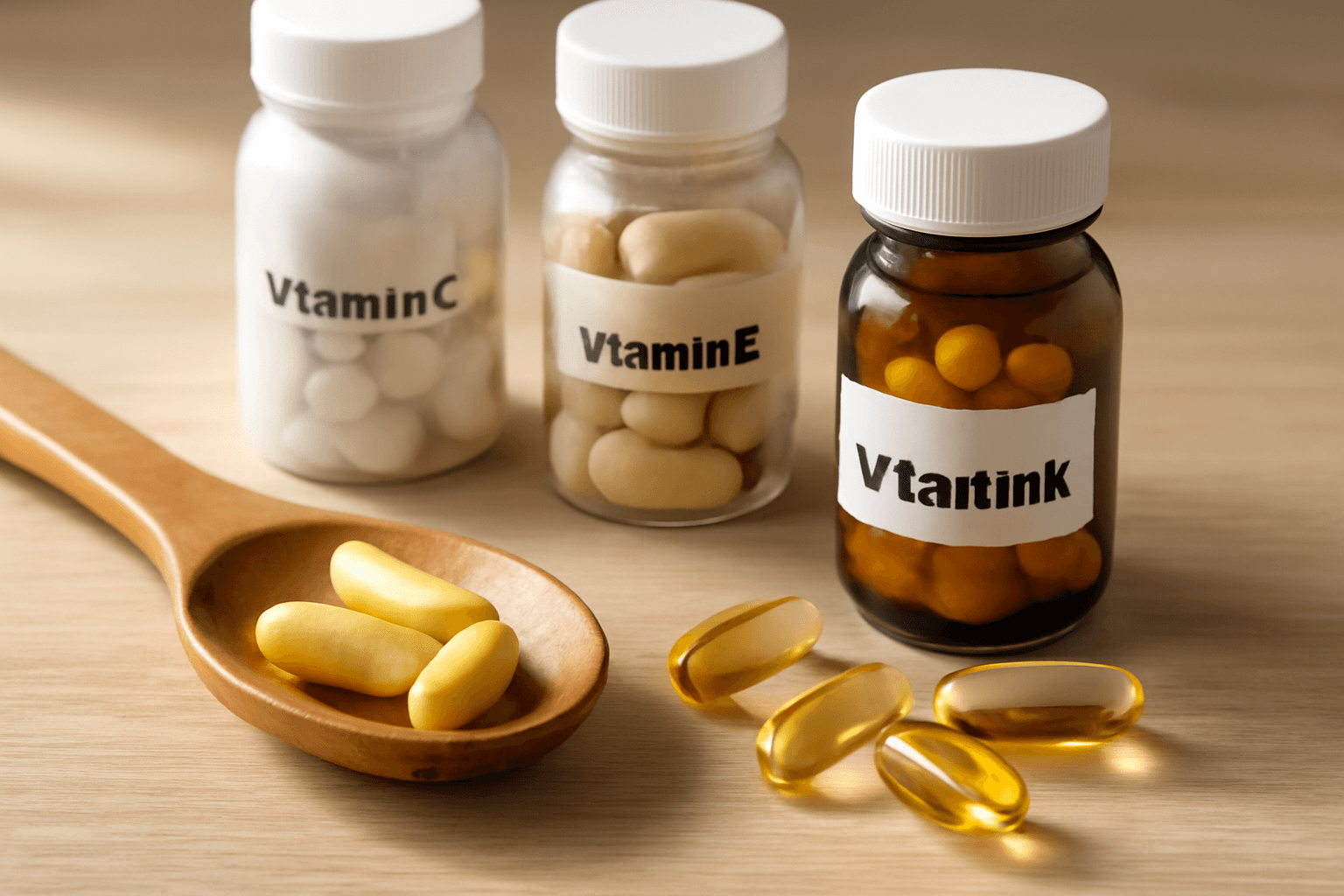
However, an important caveat is that collagen supplementation alone is insufficient. Vitamin C is essential for the body to create new collagen. Vitamin C acts as a key coenzyme in collagen synthesis, so daily intake of 1000mg of vitamin C is recommended when taking collagen supplements. Additionally, adequate protein intake, especially amino acids like glycine and proline, is necessary for efficient collagen reconstruction.
Side effects are rare, but some individuals may experience digestive discomfort, skin rashes, or allergic reactions. If you have an allergy to marine collagen, switch to bovine collagen. Dialysis patients or those with kidney disease should not use it without healthcare professional approval.
Minerals in Middle Age
Minerals are essential for bone health, muscle function, hormone balance, and nervous system function. After middle age, mineral deficiency can lead to osteoporosis, reduced muscle strength, and irregular heartbeat.
Calcium is the most underestimated mineral for middle-aged people. Menopausal women especially experience a sharp drop in calcium absorption due to decreased estrogen. Daily intake of 1000-1200mg of calcium is needed, which can be supplemented through foods like milk, yogurt, cheese, kale, and broccoli. However, calcium supplements are only effective when taken with vitamin D.
Zinc is essential for immune function, wound healing, and collagen synthesis. More than 25% of middle-aged people are zinc deficient, which manifests as weakened immunity and delayed skin recovery. Daily intake of 8-11mg of zinc (from oysters, beef, pumpkin seeds, and cashews) is recommended.
Iron is also important. Postmenopausal women have reduced iron requirements once menstruation ceases, but iron is still necessary until menopause. Iron deficiency causes fatigue, shortness of breath, and cognitive decline. Red meat, oysters, lentils, and spinach are good sources of iron.
Magnesium is very important, as mentioned earlier. Daily intake of 300-400mg is effective for muscle cramps, insomnia, and stress management. High amounts are found in dark chocolate, almonds, spinach, and pumpkin seeds.
Selenium is also worth mentioning. It's important for thyroid function and antioxidant defense, and only 55mcg daily is sufficient. Just one or two Brazil nuts can meet daily requirements.
Summary
Pro-aging is not a passive acceptance of "getting old." It is an active choice to meet what the body actually needs, allowing for a healthy and vibrant middle and later life.
- Proper eating habits: Omega-3 fish, antioxidant foods, adequate protein, minimized processed foods
- Essential supplements: Vitamin D, omega-3, vitamin B12, magnesium
- Collagen management: Hydrolyzed collagen + vitamin C + protein combination
- Mineral balance: Adequate intake of calcium, zinc, magnesium, iron, and selenium
- Psychological shift: Moving from pursuit of flawless appearance to prioritizing health and functionality
Consultation with Healthcare Professionals Recommended: All supplement recommendations in this article may vary depending on individual health status, current medications, and allergy history. Always consult with a doctor or registered dietitian before starting any new supplement. This is especially important if you have kidney disease, cardiovascular disease, or hormone-sensitive conditions.
Middle age is not the end. With proper nutrition management and lifestyle improvements, you can spend this time healthily and confidently. Your age will become a reflection not of a number, but of how well you've taken care of yourself.