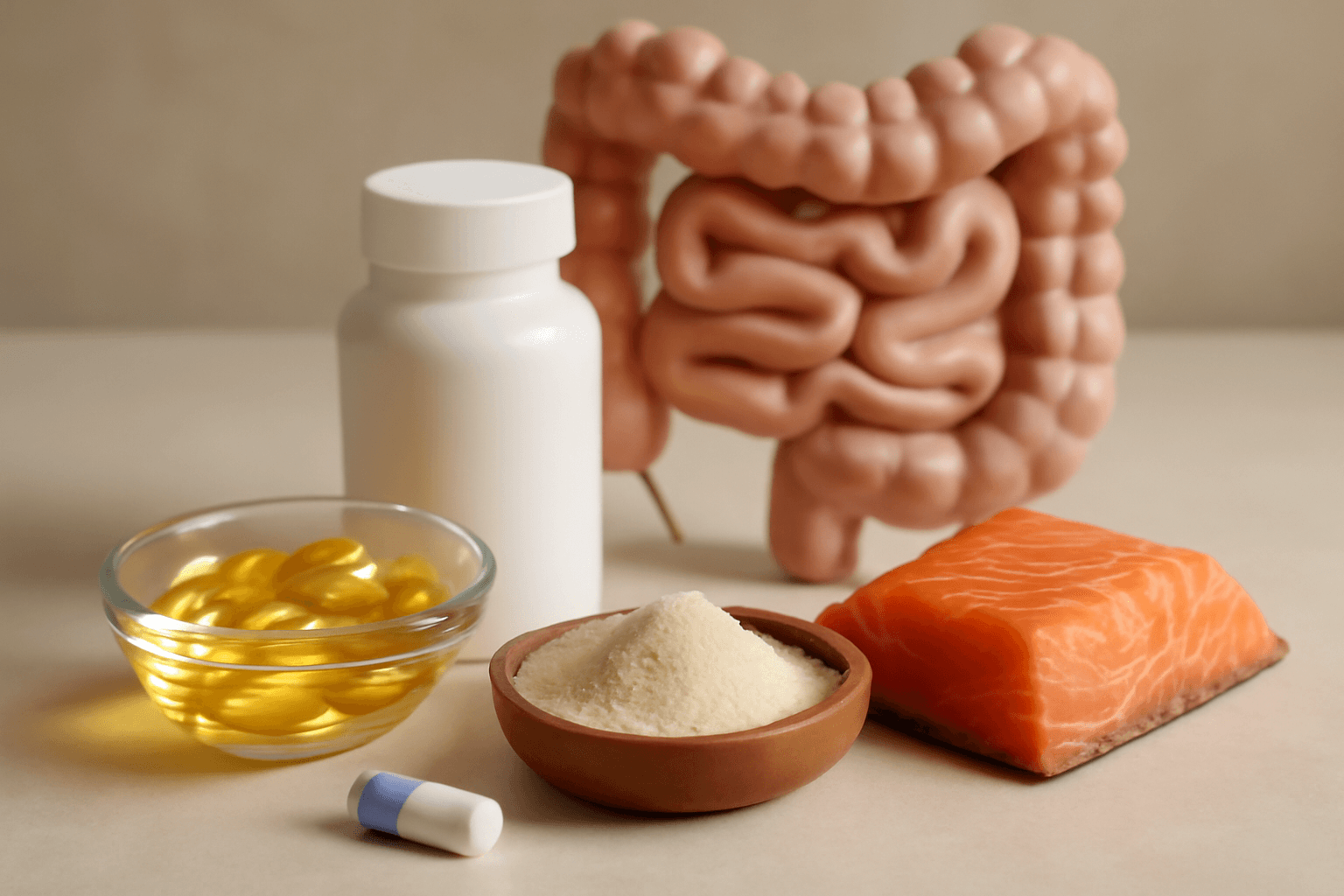
Quercetin is a powerful flavonoid compound found in nature that offers a variety of health benefits, including antioxidant effects, immune system enhancement, and inflammation reduction. Widely distributed in everyday foods such as onions, broccoli, and green tea, this substance goes beyond being a simple antioxidant to support multiple bodily functions including improved stress resilience, allergy symptom relief, and joint health maintenance. In this article, we will systematically explore the scientific mechanisms and practical health benefits of quercetin.
What Are Flavonoids?
Flavonoids are natural compounds produced by plants to protect themselves from ultraviolet radiation and are classified as secondary metabolites. They include approximately 6,000 different compounds with phenolic structures and play an important nutritional role in the human diet.
The key characteristics of flavonoids are as follows:
- High antioxidant capacity: The ability to neutralize free radicals is often more powerful than vitamins C and E
- Widespread distribution: Present in nearly all plant-based foods and particularly abundant in fruits, vegetables, tea, and nuts
- Variable bioavailability: Absorption rates in the intestines vary significantly by type, ranging from 5% to 60%
- Intestinal microbiota metabolism: Metabolized by human gut bacteria into smaller, more active molecules, improving bioavailability
Quercetin is the most abundant and extensively researched type of these flavonoids. In its natural state, it exists primarily as a glycoside (bound to sugar molecules), which is broken down by enzymes during digestion and converted into its active form.
Bioavailability of Curcumin and Quercetin
Bioavailability refers to the extent to which a consumed substance is absorbed into the bloodstream and can be utilized by the body. Both quercetin and curcumin (the active ingredient in turmeric) are polyphenols with very low bioavailability, and several strategies have been developed to improve this.
Methods to improve quercetin bioavailability:
- Combined with piperine (black pepper compound): Increases absorption rate by up to 30%
- Taken with fat: Promotes intestinal absorption of fat-soluble substances and improves bioavailability by 15-20%
- Nanoparticle form: Through pharmaceutical technology, reducing molecular size can increase absorption rates up to four times
- Quercetin glycoside form: The glycoside form derived from onion root extracts and similar sources may be absorbed more efficiently than the aglycone form
A study published in a 2019 nutrition journal showed that the average bioavailability of quercetin is approximately 15-20%, and can vary by one to five times depending on the combination of food components and administration method. The condition of intestinal microbiota also plays an important role, so indirectly improving quercetin metabolic efficiency is possible through probiotic supplementation.
Biological Characteristics
The biological activity of quercetin originates from the unique properties of its molecular structure. The B-ring structure with three hydroxyl (OH) groups is the key to its powerful antioxidant capacity.
Key biological action mechanisms:
- Free radical scavenging: A single molecule can neutralize multiple free radicals and is particularly effective against superoxide and hydroxyl radicals
- Metal chelation: Binds excess metal ions such as iron and copper to inhibit radical formation
- Enzyme regulation: Increases the activity of oxidative stress-related enzymes (SOD, catalase)
- MAPK signaling pathway regulation: Increases the expression of antioxidant defense genes in cells
What is particularly noteworthy is that quercetin not only eliminates oxidative stress but also enhances the body's own antioxidant defense capabilities. This means that protective effects can persist for a certain period even after supplementation is discontinued. Additionally, quercetin possesses both fat-soluble and water-soluble properties, giving it the unique advantage of being able to act both on cell membranes and within cells.
Benefits Beyond Antioxidant Effects
The health benefits of quercetin far exceed its antioxidant effects. Research over the past few decades has revealed the multilayered mechanisms by which this compound contributes to disease prevention and improvement.
Anti-inflammatory benefits: Quercetin inhibits inflammatory signaling pathways such as NF-κB, reducing the secretion of inflammatory cytokines (TNF-α, IL-6). A 2020 Food Chemistry journal study showed that quercetin reduced inflammatory markers by 30-40% in a rheumatoid arthritis model. Combined use with omega-3 fatty acids shows particular synergistic effects for maintaining joint health.
Vascular health promotion: Quercetin improves vascular endothelial function and helps lower blood pressure. Endothelial dysfunction is a condition that reduces vascular contractility and promotes thrombosis formation, and quercetin restores vascular flexibility by increasing nitric oxide (NO) production. A meta-analysis found that daily quercetin intake of 500mg or more reduced systolic blood pressure by 3-5mmHg.
Anti-cancer potential: In test tube and animal experiments, quercetin inhibits the growth of multiple cancer cell lines and induces apoptosis. However, human clinical data remains limited, so consuming it as part of a healthy diet is recommended from a cancer prevention perspective, and its use as a cancer treatment adjunct must absolutely be discussed with healthcare professionals.
Mental and Physical Performance Enhancement
Quercetin appears to contribute to improved brain function and physical performance. It is particularly notable for its role in energy production and improved stress resilience.
Enhanced mitochondrial function: Quercetin promotes mitochondrial biogenesis, the production of new mitochondria in the cell's energy-producing powerhouse. By activating PGC-1α, a master regulatory transcription factor, it induces the formation of new mitochondria and improves the efficiency of existing mitochondria. A study of athletes showed that six weeks of quercetin supplementation (1,000mg/day) improved aerobic capacity by 3%, with greater effects observed in untrained individuals.
Brain health and cognitive function: Quercetin is one of the few polyphenols capable of crossing the blood-brain barrier. It performs antioxidant actions directly in the brain and increases brain-derived neurotrophic factor (BDNF) expression to enhance neuroplasticity and memory. In animal studies, quercetin reduced amyloid-beta accumulation in Alzheimer's models and mitigated cognitive decline.
Stress adaptation capacity: Excessive production of the stress hormone cortisol causes immune suppression, sleep disruption, and muscle breakdown. Quercetin regulates stress response pathways, maintaining adaptive responses to acute stress while alleviating the negative effects of chronic stress. It also enhances immunity through macrophage activation, helping overcome immune suppression caused by stress.
Relationship with protein metabolism: Quercetin's improvement in energy production indirectly supports protein synthesis. Without sufficient energy availability, the body breaks down muscle protein to use as an energy source. By improving mitochondrial function, quercetin ensures adequate ATP (energy) production and increases the likelihood that protein will be used for muscle building.
Allergy Relief
Quercetin is called nature's antihistamine and has a broad evidence base for allergy symptom relief.
Histamine release inhibition: An allergic reaction begins when mast cells release histamine. Quercetin promotes mast cell stabilization and reduces histamine release in response to allergen stimulation by 25-40%. In studies, participants with seasonal allergies who consumed 500-1,000mg of quercetin daily for eight weeks experienced significant improvements in nasal and eye symptoms.
Immune response regulation: Allergies result from overactivation of Th2 immune responses. Quercetin strengthens Th1 responses and inhibits Th2 cell differentiation to restore immune balance. It also promotes regulatory T cell (Treg) differentiation to establish long-term immune tolerance.
Atopic disease improvement: In atopic diseases such as eczema and atopic dermatitis, quercetin improves skin barrier function and reduces inflammation. Combined use with zinc is particularly effective because both are essential for maintaining immune function and skin integrity. In animal studies, the combination of quercetin and zinc produced 50% greater atopic symptom relief compared to individual components.
Food allergy prevention: Taking quercetin beforehand when introducing new foods can help prevent allergic reactions. It reduces the permeability of intestinal epithelial cells (leaky gut), preventing large protein molecules from entering the bloodstream.
Summary
Quercetin is not simply an antioxidant but a complex bioactive compound that provides multilayered health benefits including immune system enhancement, inflammation reduction, improved mitochondrial function, and allergy relief.
Key points summary:
- Quercetin is a type of flavonoid with antioxidant capacity more powerful than vitamins C and E
- Although bioavailability is low, absorption can be increased by up to 30% through piperine, fat, and nano technology
- Beyond free radical scavenging, it directly reduces inflammation by inhibiting the NF-κB pathway
- It promotes mitochondrial biogenesis to increase energy production and improve physical performance
- It alleviates allergy symptoms by inhibiting histamine release through mast cell stabilization
- Combined use with omega-3, zinc, and probiotics creates synergistic effects
- The recommended daily intake is 500-1,000mg, and those with chronic diseases must consult with healthcare professionals
Medical precautions: If you are taking blood thinners (such as warfarin), are pregnant, or have kidney disease, be sure to consult with a doctor or pharmacist before taking quercetin supplements. There is also potential for interaction with certain antibiotics and cancer medications, so professional medical guidance should be sought if you are currently taking any medications. The best approach is to obtain quercetin through natural foods such as onions, broccoli, green tea, and berries.