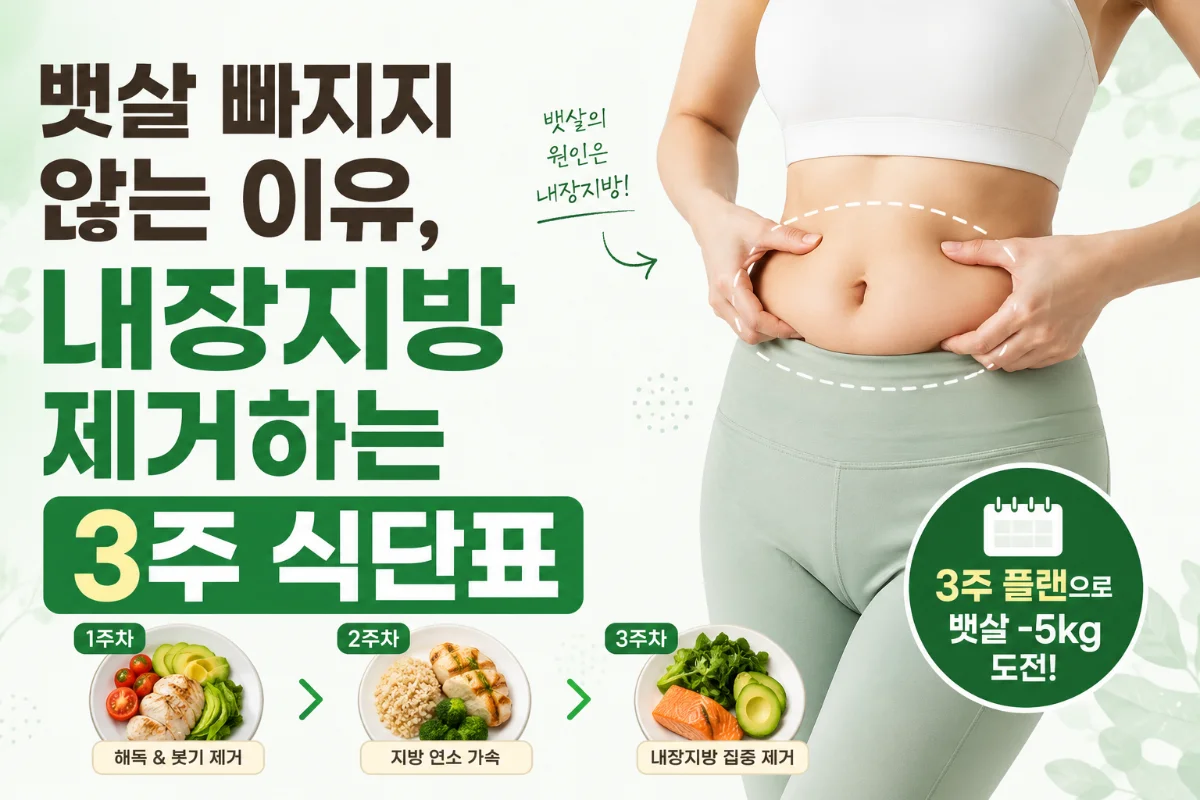
Reasons Why Belly Fat Doesn't Go Away: The Difference Between Subcutaneous Fat and Visceral Fat
Many people complain that despite exercising hard and adjusting their diets, they can't lose belly fat. This is not simply a matter of willpower, but rather due to the characteristics of visceral fat. According to a 2023 study by Seoul National University’s Graduate School of Public Health, about 65% of Korean adult men and about 45% of women are reported to have excessive visceral fat, classified as 'skinny obesity,' even though they are of normal weight.
Visceral fat is fat that accumulates around abdominal organs, unlike subcutaneous fat, and is absorbed directly into the liver through the bloodstream. This leads to increased blood sugar, cholesterol levels, and blood pressure, as well as heightened insulin resistance. Notably, it has been found that for every 1 kg increase in visceral fat, the risk of developing diabetes increases by about 17%.
Five Main Causes of Visceral Fat Accumulation
Understanding why belly fat accumulates so easily is key to effectively removing it:
- Excessive Intake of Refined Carbohydrates: White rice, white bread, and snacks spike blood sugar levels and stimulate insulin secretion, accelerating the accumulation of visceral fat.
- Excessive Intake of Liquid Fructose: Liquid fructose found in soft drinks and fruit juices is converted directly into fat in the liver.
- Insufficient Sleep: Less than 5 hours of sleep a day increases cravings for late-night snacks and reduces metabolic rate by 25%.
- Excessive Stress: Increased cortisol hormone levels promote the accumulation of abdominal fat.
- Lack of Exercise: Aerobic exercise is the most effective for removing visceral fat, and exercising less than three times a week maintains visceral fat levels.
Principles of a Diet Effective for Reducing Visceral Fat
The core principles of a diet recognized by clinical nutrition experts for reducing visceral fat are as follows:
Focus on low glycemic index (GI) foods, increase protein and dietary fiber, and limit liquid fructose and refined carbohydrates.
- Increase Protein Intake: Consume 1.2 to 1.5g of protein per kg of body weight daily (e.g., for a 70kg person, 84 to 105g). Protein helps maintain satiety longer and increases basal metabolic rate by 15 to 30%.
- Dietary Fiber Intake: Recommended daily intake is 25 to 35g. It is excellent for reducing visceral fat and stabilizing blood sugar levels.
- Choose Healthy Fats: Limit saturated fats, but ensure sufficient intake of omega-3 fatty acids (found in oily fish and nuts).
- Low Glycemic Index Carbohydrates: Choose whole grains like brown rice, oats, and sweet potatoes.
3-Week Visceral Fat Reduction Meal Plan: Week 1
Week 1 is the 'Adaptation Phase,' a period for gradually transitioning from current eating habits. Sudden dietary changes should be avoided as they can lead to yo-yo dieting.
Monday
- Breakfast: Egg omelet (2 eggs) + whole grain bread (2 slices) + Greek yogurt (150g) + blueberries
- Lunch: Grilled chicken breast (150g) + brown rice (200g) + seasoned spinach + seaweed soup
- Dinner: Grilled white fish (150g) + sweet potato (200g) + steamed broccoli + soybean paste soup
- Snack: Greek yogurt (100g) or a handful of unsalted nuts (about 30g)
Tuesday
- Breakfast: Oat cereal (40g) + low-fat milk (200ml) + 1 banana + a handful of nuts
- Lunch: Grilled beef sirloin (120g) + barley rice (200g) + seasoned lettuce + bean sprout soup
- Dinner: Tofu (half a block) + shrimp (100g) + stir-fried carrots and bell peppers + mixed grain rice (150g)
- Snack: Carrot sticks + hummus (about 2 tablespoons)
Wednesday
- Breakfast: Egg omelet (2 eggs) + whole grain bread (2 slices) + tomato + unsalted butter
- Lunch: Grilled chicken thigh (150g) + brown rice (200g) + seasoned spinach + egg soup
- Dinner: White fish stew (200g) + grilled sweet potato (200g) + broccoli
- Snack: Unsweetened Greek yogurt (150g) + nuts
Thursday
- Breakfast: Tofu egg rice bowl (2 eggs, 100g tofu, minimal oil) + mini pumpkin
- Lunch: Chicken breast salad (150g) + olive oil dressing + whole grain bread (1 slice)
- Dinner: White fish (150g) + quinoa (150g) + mixed corn and peas + clear soybean paste soup
- Snack: Greek yogurt (100g) + nuts
Friday
- Breakfast: Egg omelet (2 eggs) + oat toast (40g) + 1 cup strawberries
- Lunch: Boiled beef (120g) + barley rice (200g) + seasoned perilla leaves + leafy vegetable soup
- Dinner: Grilled white fish (150g) + sweet potato (200g) + lettuce salad + seaweed soup
- Snack: Unsalted nuts (30g) + carrot
Saturday
- Breakfast: Tofu egg scramble (2 eggs, 100g tofu) + whole grain bread (2 slices) + tomato
- Lunch: Grilled chicken breast with salt (150g) + brown rice (200g) + steamed broccoli + egg soup
- Dinner: White fish (150g) + lentil rice (150g) + grilled bell pepper + clear soybean paste soup
- Snack: Greek yogurt (150g) + blueberries
Sunday
- Breakfast: Egg omelet (2 eggs) + oat porridge (about 70g oats) + cinnamon added
- Lunch: Grilled chicken thigh (150g) + barley rice (200g) + seasoned seaweed + egg soup
- Dinner: White fish stew (200g) + sweet potato (200g) + broccoli rice (150g)
- Snack: Unsweetened Greek yogurt (100g) + a handful of nuts
3-Week Visceral Fat Reduction Meal Plan: Week 2
Week 2 is the 'Intensification Phase,' where calories are further reduced and protein intake is increased. During this phase, a weight loss of about 1.5 to 2 kg is expected, and the effects of visceral fat reduction will become more pronounced.
Monday
- Breakfast: Egg white omelet (3 egg whites, 1 yolk) + brown rice bread (1 slice) + berries
- Lunch: Grilled chicken breast (180g) + brown rice (180g) + kale salad (1 tablespoon olive oil) + clear soup
- Dinner: White fish (180g) + sweet potato (150g) + broccoli salad + seaweed soup
- Snack: Greek yogurt (100g, unsweetened) + 10 almonds
Tuesday
- Breakfast: Tofu egg scramble (120g tofu, 2 eggs) + brown rice toast (1 slice)
- Lunch: Beef tenderloin steak (100g) + barley rice (180g) + seasoned spinach + egg soup
- Dinner: Salmon (120g, rich in omega-3) + lentils (150g) + mixed peas and corn + clear soybean paste soup
- Snack: Carrot sticks (100g) + Greek yogurt (50g)
Wednesday
- Breakfast: Egg omelet (3 egg whites) + oats (40g) + cinnamon
- Lunch: Grilled chicken thigh (160g) + brown rice (180g) + steamed broccoli + soybean paste soup
- Dinner: White fish (170g) + sweet potato (130g) + kale salad + egg soup
- Snack: Greek yogurt (100g) + berries
Thursday
- Breakfast: Tofu (150g) + egg (1) + brown rice toast (1 slice) + tomato
- Lunch: Boiled beef (110g) + barley rice (180g) + seasoned lettuce + leafy vegetable soup
- Dinner: White fish (170g) + lentils (150g) + grilled bell pepper + seaweed soup
- Snack: Unsalted nuts (25g)
Friday
- Breakfast: Egg omelet (3 egg whites, 1 yolk) + brown rice bread (1 slice) + strawberries
- Lunch: Chicken breast (180g) + brown rice (180g) + seasoned perilla leaves + egg soup
- Dinner: White fish (170g) + sweet potato (130g) + broccoli salad + soybean paste soup
- Snack: Greek yogurt (100g)
Saturday
- Breakfast: Tofu scramble (120g) + egg (2) + oats (35g)
- Lunch: Chicken thigh (160g) + barley rice (180g) + broccoli + egg soup
- Dinner: Salmon (120g) + lentils (150g) + seasoned spinach + clear soybean paste soup
- Snack: Carrot (100g) + unsalted nuts (20g)
Sunday
- Breakfast: Egg omelet (3 egg whites) + brown rice toast (1 slice) + blueberries
- Lunch: Beef tenderloin (100g) + brown rice (180g) + seasoned seaweed + soybean paste soup
- Dinner: White fish (170g) + sweet potato (130g) + kale salad + egg soup
- Snack: Greek yogurt (100g, unsweetened)
3-Week Visceral Fat Reduction Meal Plan: Week 3
Week 3 is the 'Concentration Phase,' where additional optimizations are made based on Week 2. At this point, a cumulative weight loss of about 3 to 4 kg is expected, and the effects of visceral fat reduction will peak.
Monday
- Breakfast: Egg omelet (3 egg whites) + brown rice porridge (60g) + 8 nuts
- Lunch: Chicken breast (190g) + brown rice (160g) + kale salad (1 tablespoon olive oil) + clear soup
- Dinner: White fish (180g) + lentil rice (140g) + broccoli + seaweed soup
- Snack: Greek yogurt (80g) + berries
Tuesday
- Breakfast: Tofu (120g) + egg omelet (2 eggs) + oats (35g) + cinnamon
- Lunch: Beef tenderloin (100g) + barley rice (160g) + seasoned spinach + egg soup
- Dinner: Salmon (120g) + sweet potato (120g) + pea salad + clear soybean paste soup
- Snack: Carrot (80g) + Greek yogurt (50g)
Wednesday
- Breakfast: Egg omelet (3 egg whites, 1 yolk) + brown rice bread (1 slice) + strawberries
- Lunch: Chicken thigh (160g) + brown rice (160g) + steamed broccoli + soybean paste soup
- Dinner: White fish (180g) + lentils (140g) + grilled bell pepper + egg soup
- Snack: Unsalted nuts (20g)
Thursday
- Breakfast: Tofu scramble (120g) + egg (2) + oats (35g) + tomato
- Lunch: Boiled beef (100g) + barley rice (160g) + seasoned perilla leaves + leafy vegetable soup
- Dinner: White fish (180g) + sweet potato (120g) + kale salad + clear soybean paste soup
- Snack: Greek yogurt (80g, unsweetened)
Friday
- Breakfast: Egg omelet (3 egg whites) + oat toast (35g) + berries
- Lunch: Grilled chicken breast (190g) + brown rice (160g) + seasoned seaweed + egg soup
- Dinner: Salmon (120g) + lentils (140g) + broccoli + clear soup
- Snack: Carrot (80g) + nuts (8 pieces)
Saturday
- Breakfast: Tofu (120g) + egg (2) + brown rice toast (1 slice) + tomato
- Lunch: Chicken thigh (160g) + barley rice (160g) + steamed broccoli + soybean paste soup
- Dinner: White fish (180g) + sweet potato (120g) + spinach salad + egg soup
- Snack: Greek yogurt (80g)
Sunday
- Breakfast: Egg omelet (3 egg whites, 1 yolk) + oats (35g) + cinnamon + berries
- Lunch: Beef tenderloin (100g) + brown rice (160g) + seasoned lettuce + seaweed soup
- Dinner: White fish (180g) + lentils (140g) + bell pepper salad + clear soybean paste soup
- Snack: Unsalted nuts (20g)
Exercise Routine to Accompany the 3-Week Meal Plan
Dietary adjustments alone are insufficient. To effectively remove visceral fat, you need to combine aerobic and strength training.
- Aerobic Exercise: 4 to 5 times a week, for 30 to 45 minutes each time. Walking or jogging at a speed of 6 to 8 km/h is most effective. Research shows that high-intensity interval training (HIIT) is 29% more effective for reducing visceral fat than regular aerobic exercise over the same duration.
- Strength Training: 2 to 3 times a week, for 30 minutes each time. Compound exercises that use large muscle groups, such as squats, deadlifts, and bench presses, increase basal metabolic rate and promote the reduction of visceral fat.
- Daily Activity Level: Aim for 8,000 to 10,000 steps a day. Increasing daily activities, such as using stairs and walking one more bus stop, is also important.
Precautions When Following the 3-Week Meal Plan
Hydration
Drink at least 2 to 2.5 liters of water a day. Sufficient hydration increases metabolism by 24%, suppresses cravings for overeating, and enhances the efficiency of visceral fat breakdown.
Sleep Management
Go to bed by 11 PM every night and get 7 to 8 hours of adequate sleep. Insufficient sleep increases ghrelin (the hunger hormone) and decreases leptin (the satiety hormone).
Stress Management
Practice meditation or breathing exercises for 10 to 15 minutes a day. Stress-induced cortisol secretion promotes the accumulation of visceral fat.
Alcohol Limitation
Alcohol, such as beer and wine, is a pure energy source and spikes blood sugar levels. It is advisable to completely avoid it for three weeks.
Caffeine Intake
Black coffee (without additives) is fine up to 2 cups a day, but avoid coffee drinks with added sugar (priced around 15,000 to 25,000 won). Two tablespoons of liquid fructose promote the accumulation of visceral fat.
Expected Changes After 3 Weeks
If you faithfully follow this 3-week meal plan and exercise, you can expect the following changes:
- Weight Loss: About 3 to 5 kg (can vary from 2 to 6 kg depending on the individual)
- Waist Circumference: About 4 to 7 cm reduction
- Body Fat Percentage: About 1.5 to 2.5% reduction (especially high reduction in visceral fat)
- Metabolism Improvement: Basal metabolic rate increases by about 5 to 8%
- Blood Sugar Stabilization: Fasting blood sugar decreases by about 5 to 10 mg/dL
- Blood Pressure Improvement: Systolic blood pressure decreases by about 3 to 5 mmHg
- Energy Increase: Improvement in afternoon energy dips
Conclusion
The inability to lose belly fat is not simply due to a lack of exercise or dietary discipline, but rather due to an approach that does not consider the characteristics of visceral fat. This 3-week meal plan has been designed considering the typical eating habits of Koreans, focusing on increasing protein and dietary fiber while limiting refined carbohydrates and liquid fructose for effective visceral fat reduction.
The important thing is to maintain improved eating habits even after the 3 weeks are over. Extreme diets can lead to yo-yo effects, so after 3 weeks, it's best to maintain a daily caloric intake of 2,000 to 2,300 calories (considering individual differences) based on your current weight. Additionally, continue exercising more than three times a week, limit late-night snacks and treats, and pay attention to sleep and stress management to sustain the effects of visceral fat reduction over the long term.
If you have underlying conditions such as diabetes or hypertension, be sure to consult with a doctor and a nutritionist before proceeding. This meal plan is based on general healthy adults and may need adjustments based on individual health status and metabolic characteristics. May your 3 weeks of effort lead to a lifetime of healthy body and lifestyle habits.