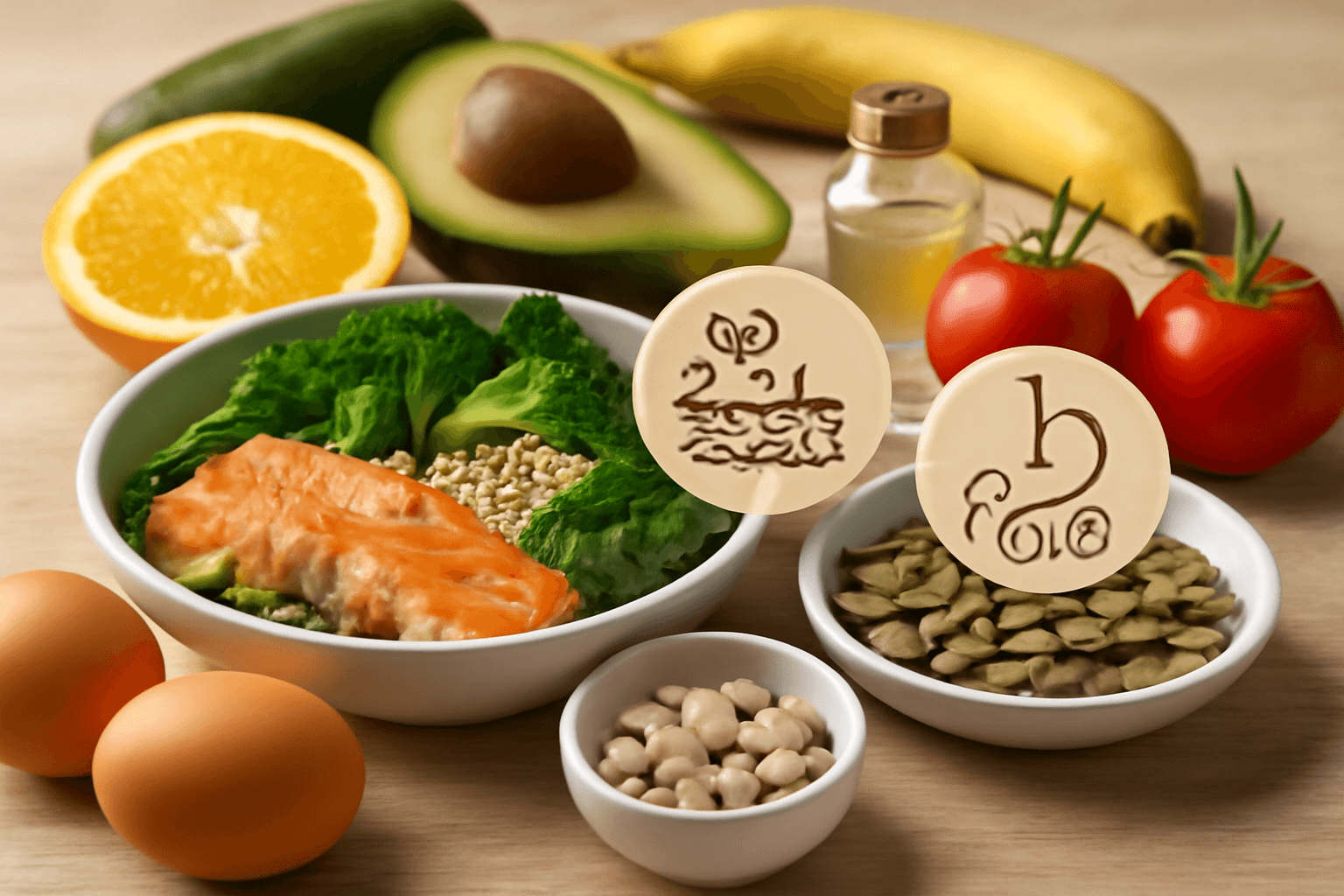
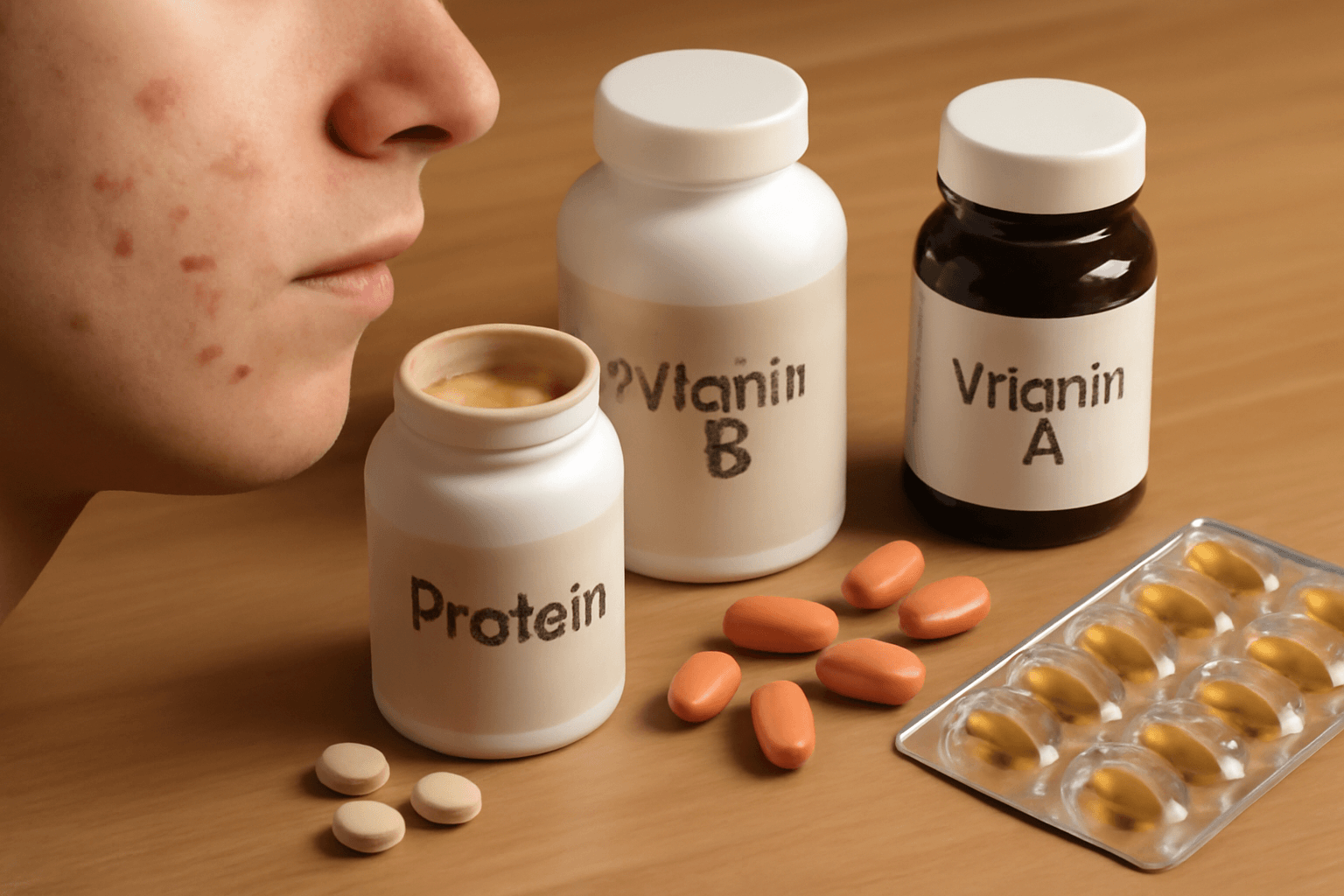
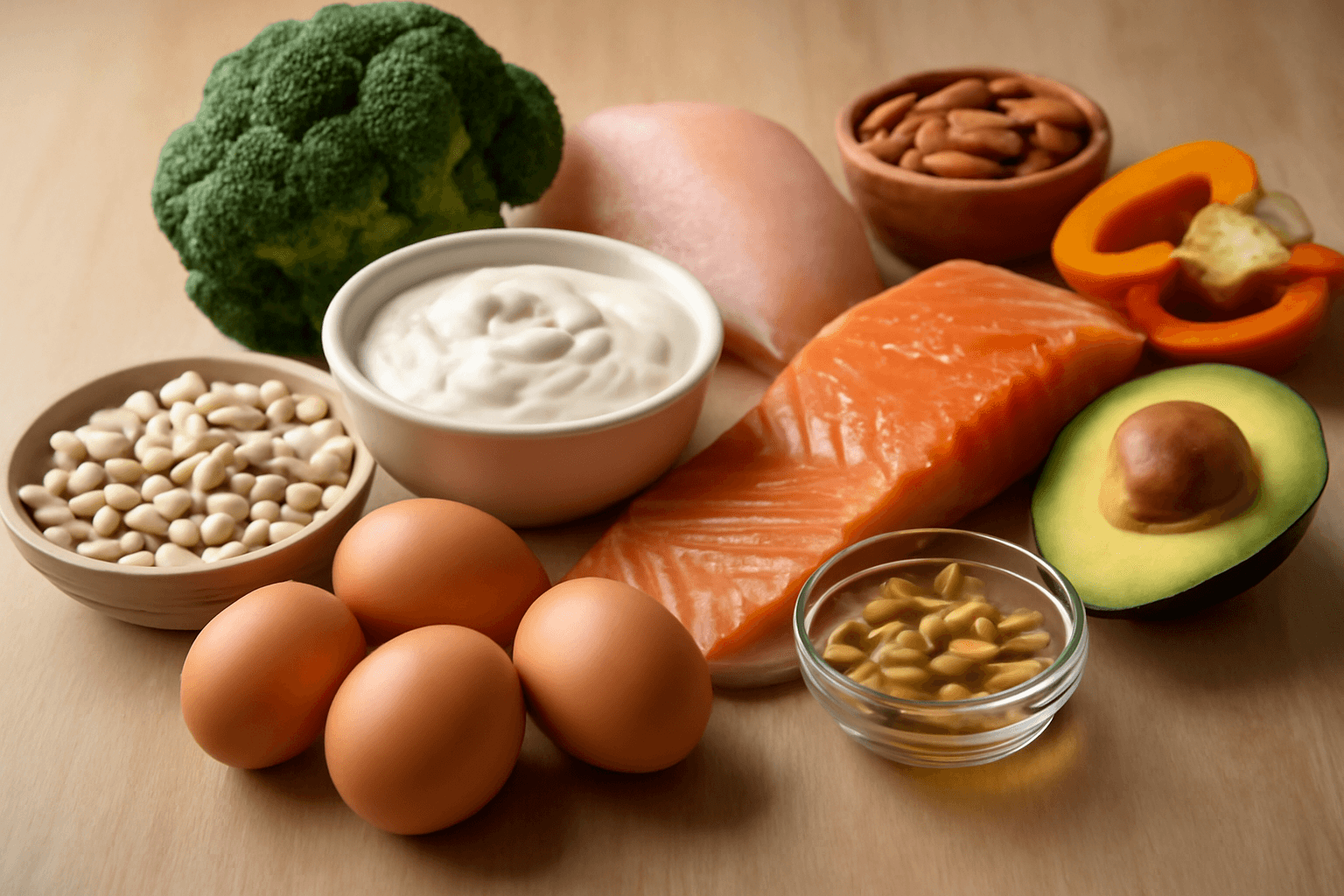
Skin health depends as much on internal nutritional management as it does on external care. The nutrients in the foods we consume directly affect skin cells through the bloodstream, and different skin types require different nutrients. Acne-prone skin needs anti-inflammatory components and zinc, dry skin needs omega-3 and fat-soluble vitamins, and aging skin especially needs antioxidants. This article presents customized dietary strategies for each skin type to introduce methods of improving skin through nutrition.
Foods Good for Acne-Prone Skin
Acne-prone skin is primarily caused by excess sebum production and inflammation. The key is choosing foods with a low glycemic index (GI). High-GI foods like white rice, white bread, and refined sugar cause rapid blood sugar spikes that increase insulin secretion, which in turn promotes sebum production. In contrast, brown rice, oats, and whole grains raise blood sugar slowly and help with sebum control.
Zinc is the most important mineral for improving acne. Zinc regulates sebaceous gland function and inhibits Propionibacterium acnes, the bacteria that causes acne. 100g of oysters contains approximately 5.3mg of zinc, which covers half of the adult daily recommended amount (8-11mg). If oysters aren't an option, beef (5.9mg per 100g), pumpkin seeds (2.2mg per 28g), and cashews (1.6mg per 28g) are sufficient alternatives.
Consuming anti-inflammatory foods is also essential. Omega-3 fatty acids found abundantly in oily fish like salmon, mackerel, and sardines suppress skin inflammation. 100g of salmon contains approximately 2.3g of omega-3. If you can't eat fish, you can supplement with flaxseeds (1.6g per tablespoon), chia seeds (5.1g per ounce), and walnuts (2.5g per 28g).
Berries are also excellent foods. Anthocyanins and ellagic acid found in blueberries, blackberries, and cranberries are powerful antioxidants and anti-inflammatory compounds that promote recovery from acne-related skin damage.
- Recommended foods: Oysters, beef, pumpkin seeds, salmon, mackerel, flaxseeds, walnuts, blueberries, blackberries
- Foods to avoid: White rice, white bread, chocolate, dairy products (milk, cheese), fried foods
- Practical tip: Mix 50g of whole-grain oatmeal with 50g blueberries and 14g walnuts for breakfast to get 30% of your daily zinc recommendation and omega-3
Diet Good for Dry Skin
Dry skin occurs when the skin barrier function is weakened, resulting in excessive moisture loss. This happens when the lipid layer of the skin is damaged, so healthy fat intake is very important. Balanced consumption of unsaturated fats, particularly omega-3 and omega-6, is essential.
Omega-3 fatty acids promote ceramide production and increase skin moisturization. Consuming 150g of salmon three times a week covers the daily requirement (250-500mg). Plant-based omega-3, alpha-linolenic acid, is also effective. 2 tablespoons (20g) of flaxseeds contain approximately 3.2g of alpha-linolenic acid.
Vitamins A and E are also essential for improving dry skin. Vitamin A promotes cell differentiation in the skin's epidermis layer, strengthening the skin barrier. It's abundant in carrots (approximately 961mcg RAE per 100g), spinach (approximately 469mcg RAE per 100g), and sweet potatoes (approximately 961mcg RAE per 100g). Since the daily recommended amount for adult women is 700mcg RAE, just half a cup of carrots is sufficient. Vitamin E is a powerful antioxidant that prevents cell damage. It's found in almonds (7.3mg per 28g), sunflower seeds (8.4mg per 28g), and avocado (2.07mg per 100g).
Adequate protein intake is also important. Protein is the foundation for collagen production and maintains skin elasticity and moisture retention. You should get your daily requirement (body weight × 0.8-1g) through eggs (13g per 100g), Greek yogurt (10g per 100g), and white fish (20-25g per 100g).
- Recommended foods: Salmon, flaxseeds, walnuts, carrots, spinach, sweet potatoes, almonds, avocado, eggs, Greek yogurt
- Foods to avoid: Excessive caffeine (causes skin dehydration), alcohol, high-sodium foods
- Hydration management: Moisture from food is also important. Consume high-water-content vegetables like watermelon (92% water), cucumber (96% water), and broccoli (89% water) in portions of three or more servings daily
- Practical tip: Consuming 150g salmon + spinach side dish + sweet potato at dinner helps you get a balanced intake of omega-3, vitamins A and E, and protein
Anti-Aging Diet
Skin aging is primarily caused by oxidative damage from free radicals. Starting in your 30s, skin collagen production decreases by 1% annually, and antioxidant defense ability also declines. Getting enough antioxidant nutrients is key to delaying skin aging.
Vitamin C is the most important nutrient for anti-aging. It's an essential cofactor in collagen synthesis and provides powerful antioxidant protection against UV damage. It's abundant in kiwis (approximately 92.7mg per 100g), bell peppers (approximately 127.7mg per 100g), oranges (approximately 53.2mg per 100g), and broccoli (approximately 89.2mg per 100g). The adult daily recommendation is 75-90mg, so just one kiwi is sufficient. Since vitamin C is sensitive to heat, it's best to consume it fresh.
Polyphenols are powerful antioxidants. Resveratrol in red wine activates SIRT1, the longevity gene, and promotes skin cell regeneration. However, eating grapes directly—especially black grapes—is more effective than wine. 100g of black grapes contain approximately 250mg of anthocyanins. Flavanols in chocolate (70% cocoa or higher) improve blood flow and increase oxygen supply to the skin.
Vitamin D is an increasingly recognized anti-aging nutrient. It strengthens the skin's innate immunity and maintains skin elasticity through reduced inflammation. While it's found in salmon (approximately 570IU per 100g), eggs (approximately 87IU per 100g), and butter (approximately 684IU per 100g), food alone cannot meet the daily recommendation (600-800IU), making sun exposure (15-30 minutes, three times weekly) essential.
Amino acids like glutamine and proline are also important for collagen regeneration. Get enough protein and consume bone broth made from bones and cartilage, which is rich in natural collagen and amino acids.
Anti-aging nutrient summary
- Vitamin C: 75-90mg daily (one kiwi, 80g bell pepper)
- Polyphenols: 50-100g berries
- Vitamin D: Sun exposure three times weekly or food + supplement
- Protein: Body weight × 0.8-1g (1.1g/kg recommended for ages 25-35)
- Recommended foods: Kiwis, bell peppers, oranges, blueberries, black grapes, dark chocolate, salmon, walnuts, green tea
- Foods to avoid: High-temperature cooked foods (increased advanced glycation end products), refined carbohydrates, excessive alcohol
- Practical tip: A morning cup of green tea + fruit salad (kiwis, oranges, blueberries) + Greek yogurt provides all essential anti-aging nutrients in one meal
Summary: Key Strategies for Skin Health
Acne-prone skin: Low glycemic index foods + zinc-containing foods (oysters, pumpkin seeds) + anti-inflammatory foods (salmon, berries) = sebum control and inflammation suppression
Dry skin: Unsaturated fats (omega-3) + vitamins A and E + adequate protein + high-water-content vegetables = skin barrier reinforcement and improved moisture retention
Aging skin: Vitamin C + polyphenols (berries, black grapes) + vitamin D + adequate protein = collagen regeneration and antioxidant action
Common principle: For all skin types, minimizing processed foods and eating a variety of whole foods with diverse nutrients is most important. Balanced consumption of multiple nutrients is more effective for skin health than excessive intake of a single nutrient.
⚠️ Medical disclaimer: The information in this article is for educational purposes and cannot replace medical diagnosis or treatment. If you have serious skin conditions (severe acne, eczema, psoriasis, etc.) or specific food allergies, consult a dermatologist or nutritionist. If you're taking medications, certain nutrient supplements may interfere with medication effectiveness, so professional consultation is essential. Additionally, skin reactions to dietary changes vary greatly between individuals, requiring an observation period of 4-8 weeks.