Bee venom is a natural substance derived from honeybees' defense mechanism and has been gaining attention in the fields of skin beauty and health management over the past few decades. It contains various nutrients such as protein, zinc, and B vitamins, which can help promote collagen production and strengthen immunity. This article provides science-based information from understanding what bee venom is to its actual skin benefits and proper usage methods.
What Is Bee Venom?
Bee venom is a complex substance secreted from honeybees' venom glands, primarily used for self-defense. It is a transparent liquid with a slight odor that becomes a white or light yellow powder when dried. The main components of bee venom are melittin (50%), apamin (2-3%), adolapin (1%), and phospholipase A2.
These active components are not merely toxic substances but rather a complex of peptides and proteins with superior biological activity. One milligram of bee venom contains approximately 60 micrograms of melittin, which has a direct impact on cell regeneration and inflammatory responses. Additionally, it contains more than 20 trace minerals including amino acids, glucose, magnesium, and calcium.
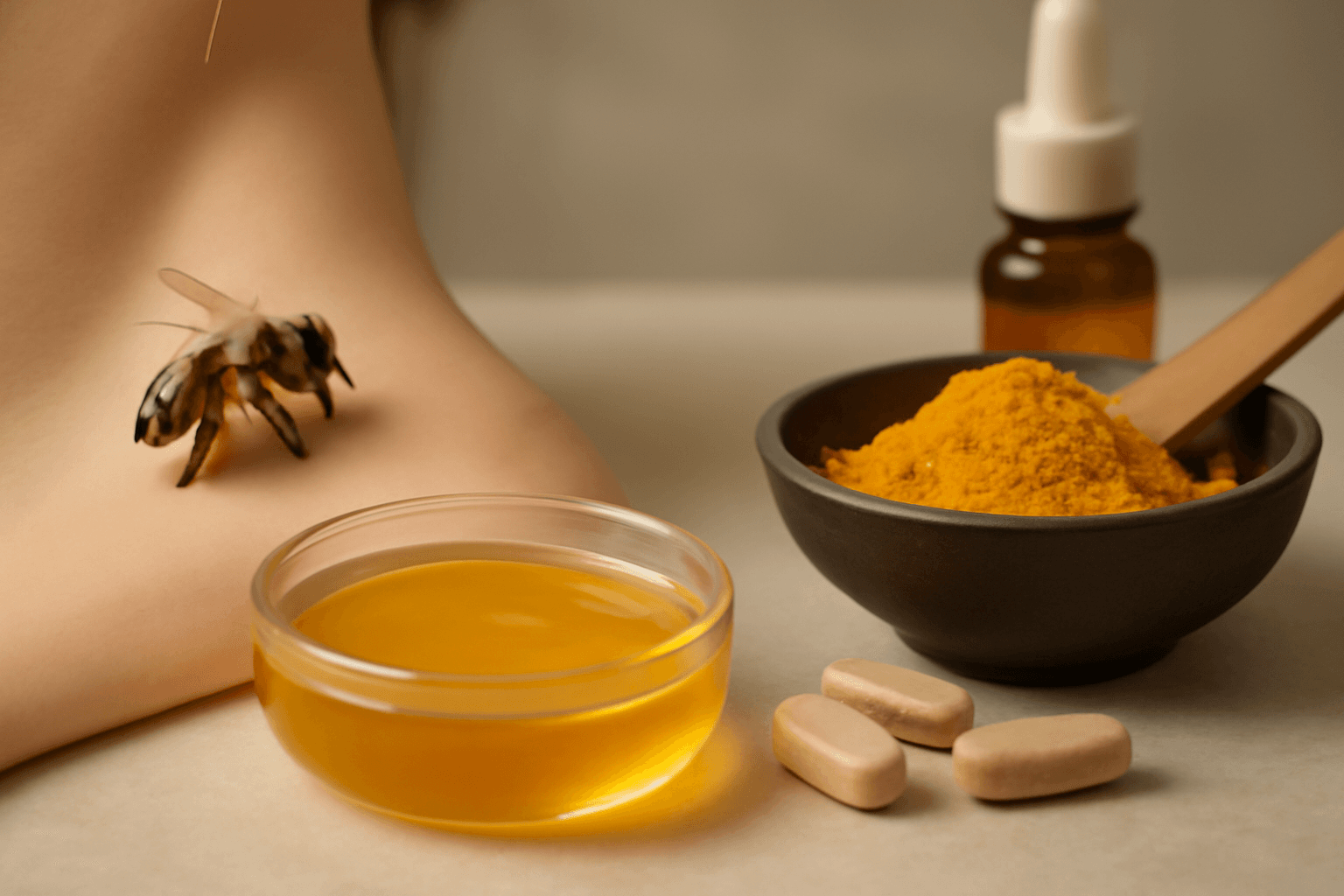
Bee venom is harvested using electrical stimulation or special devices to stimulate honeybees for collection, allowing venom to be extracted without harming the bees. The harvested bee venom is freeze-dried and added to various skincare products such as creams, face masks, and serums.
Benefits and Uses of Bee Venom
Skin Regeneration and Collagen Production
The melittin component in bee venom stimulates skin fibroblasts to promote collagen and elastin production. According to a study published in an international dermatology journal in 2013, collagen synthesis increased by 48% in the fibroblast group treated with bee venom extract compared to the control group. This directly leads to improved skin elasticity and wrinkle reduction. Collagen is the primary structural protein of skin and naturally decreases with age; bee venom can slow this decline.
Anti-inflammatory and Immune Enhancement
Apamin and adolapin contained in bee venom have strong anti-inflammatory effects. It is particularly effective for inflammatory skin conditions such as dermatitis, eczema, and acne. Bee venom components inhibit the production of inflammatory mediators (TNF-α, IL-6) to calm skin irritation. Simultaneously, it enhances the activity of macrophages and natural killer cells to promote immune system response. According to research, bee venom components improve antioxidant levels by up to 35%.
Antimicrobial and Antiviral Action
Peptides contained in bee venom have a mechanism that destroys bacterial and fungal cell walls. It shows particularly high antimicrobial effects against Propionibacterium acnes bacteria that cause acne. This is useful for acne treatment and prevention.
Improved Blood Circulation
Bee venom dilates capillaries and increases blood flow to the skin. When blood circulation improves, oxygen and nutrient supply to the skin becomes smooth, brightening skin tone and restoring vitality. Additionally, enhanced metabolism promotes the elimination of waste products, which leads to skin purification and improved brightness.
The Truth About Bee Venom Benefits
Areas with Sufficient Scientific Evidence
Bee venom's promotion of collagen production, anti-inflammatory effects, and antioxidant action have been sufficiently verified through numerous cell-level studies and animal experiments. In particular, the biological activity of melittin has been consistently confirmed in scientific literature for over 35 years. Clinical skin research in Korea, China, and Japan also showed skin soothing, improved elasticity, and reduced wrinkles after using bee venom-containing products.
Caution Needed for Limited Evidence
However, large-scale clinical trials on long-term skin improvement effects remain insufficient. Most human clinical studies are limited to 30-100 participants. Additionally, responses can vary significantly depending on skin type, age, and environmental factors. Some products make exaggerated claims while containing minimal bee venom, making ingredient label verification essential.
Common Misconceptions
Bee venom is not directly linked to 'bee stings.' The bee venom contained in products is a minute, refined component, not live bee venom. Additionally, the claim that 'it is dangerous because it is toxic' is only partially valid. The toxicity of bee venom is determined by concentration; at the concentration used in skincare products (0.001-0.1%), no safety issues have been reported. However, caution is necessary for people with sensitive skin or a history of allergies.
Individual Differences and Expectation Management
Bee venom is not a 'miracle cure.' Skin condition improvement typically requires 4-8 weeks of continuous use. Skin response can differ between someone in their 20s and someone in their 50s, and effectiveness also varies between humid and dry regions. Genetic factors, hormonal status, and lifestyle habits have significant impacts, making it difficult to expect complete skin improvement from bee venom products alone. Optimal effects are achieved when used alongside a balanced diet (omega-3 rich foods, zinc intake), adequate sleep, and sun protection.
How to Use Bee Venom on Your Skin
Product Selection Criteria
- Check bee venom content: Verify the position of 'bee venom extract' or bee venom extract in the product label. The higher the position in the ingredient list (within the top 10), the higher the content. Trustworthy products specify bee venom content, which typically ranges from 0.01-1%.
- Review additional ingredients: If turmeric (curcumin), B-complex vitamins, and hyaluronic acid are included together, they have a synergistic effect. Conversely, avoid products with high concentrations of irritating alcohol.
- Choose product form: Cream is suitable for dry skin, essence/serum for combination skin, and face masks for intensive care purposes.
Usage Method and Order
After cleansing, tone your skin with a toner, then apply the bee venom-containing product (in essence or serum form) from the center of the face outward. The typical usage amount is coin-sized (1-2ml) and can be extended to the neck and décolletage area. After allowing 3-5 minutes for absorption, use a moisturizing cream or oil as a finishing product. For mask pack products, use 2-3 times per week for 15-20 minutes, and you can gently tap with cool fingers to promote absorption.
Frequency and Duration of Use
You can use it daily, but if using for the first time, it is recommended to start with 3 times per week and observe your skin's reaction. For noticeable improvement, continuous use for at least 4 weeks is necessary. Since collagen regeneration is a gradual process, you can expect significant effects after 8-12 weeks of use. You can adjust frequency according to seasonal changes; daily use during dry winter months and 3-4 times per week during humid summer months is appropriate.
Side Effects and Precautions
Avoid use if you are allergic to bee venom or sensitive to bee products. A slight stinging sensation or mild warmth may occur when first using the product, which is a normal reaction that subsides within 30 seconds to 2 minutes. If itching, rash, or swelling persists, immediately discontinue use, rinse with cold water, and seek professional medical advice. People with sensitive skin or dermatitis must consult a dermatologist before deciding whether to use the product. Pregnant or breastfeeding women should also consult healthcare professionals before using bee venom products for safety.
Combination Tips for Synergistic Effects
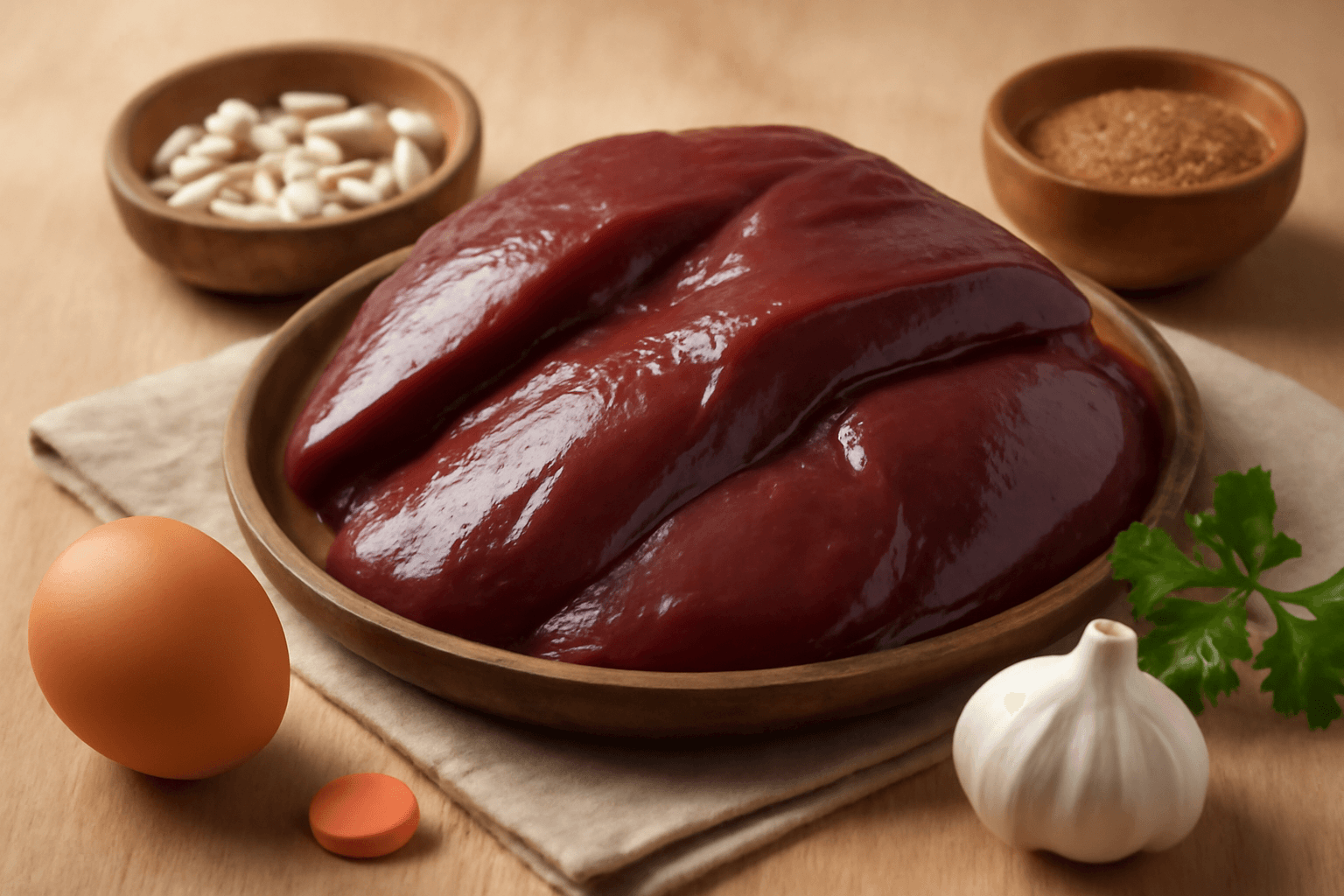
Using a turmeric ampoule or toner after a bee venom serum doubles the anti-inflammatory effect. Applying bee venom cream at night and an omega-3 rich essence (such as argan oil) in the morning provides skin barrier strengthening benefits. Additionally, consuming B vitamin-rich foods (eggs, oysters, mushrooms) while using bee venom products optimizes the environment for collagen production in the body. Using with protein intake (especially soluble collagen powder) makes skin elasticity improvement more noticeable.
Conclusion and Summary
Bee venom is a natural biologically active substance containing active peptides such as melittin and apamin, with verified benefits from a dermatological perspective. In particular, four mechanisms—collagen production promotion, anti-inflammatory action, antioxidant effects, and improved blood circulation—are supported by scientific literature.
Key Points Summary:
- Bee venom is a biologically active component rather than a toxin, and is safe at skincare concentrations (0.001-0.1%).
- Increased collagen at the cellular level (up to 48%) has been confirmed, though long-term human clinical research is still ongoing.
- Continuous use for 4-8 weeks is necessary, and effects vary depending on individual skin type and environmental factors.
- Select products with bee venom extract listed at the top of the ingredient list, and start with 3 times per week when first using.
- Synergistic effects can be achieved by using bee venom products in conjunction with other nutrients such as turmeric, B vitamins, and omega-3.
- People with bee product allergies, sensitive skin, or dermatitis must consult a dermatologist before use.
Bee venom is not an 'all-purpose cure,' and optimal results can be expected when used on the foundation of balanced lifestyle habits and basic skincare (cleansing, moisturizing, sun protection). By selecting products at appropriate concentrations from trustworthy brands and carefully observing your skin condition during use, you can fully enjoy the skin improvement benefits of naturally derived ingredients.