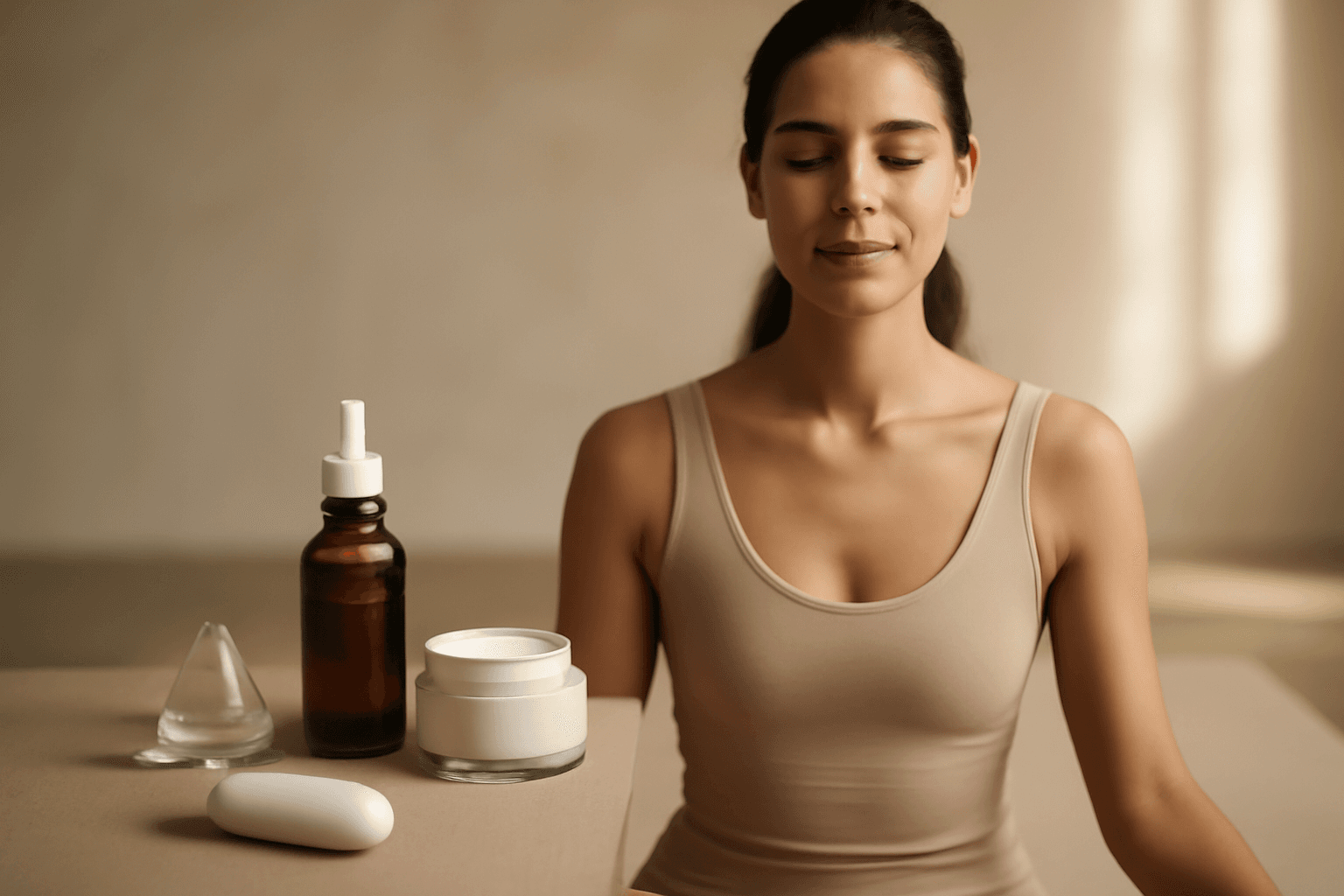
Healthy, hydrated skin is the result of a proper skincare routine. Preventing moisture loss and supplying essential nutrients to the skin form the foundation of skin health, and for this, a systematic moisturizing routine and correct product application order are very important. This post introduces practical skincare strategies, starting with a 6-step moisturizing routine and covering effective moisture retention methods and the correct product application order.
6-Step Skin Moisturizing Routine
The first step of an effective moisturizing routine is cleansing. You should use a gentle watery cleanser or micellar water to remove accumulated sebum, dirt, and makeup throughout the day. Right after cleansing, using cool air to calm your pores can minimize skin irritation. Be careful not to use water that is too hot for cleansing, as it can remove essential oils from your skin and cause severe dryness.
The second step is using toner or essence. Toner regulates pH balance and prepares the skin. Choosing a toner containing vitamin C helps protect skin damage through antioxidant action and creates a brighter tone. Essence has smaller molecules so it penetrates deep into the skin and generally contains more active ingredients than toner.
The third step is introducing serum. Serum is a highly concentrated product containing various active ingredients such as hyaluronic acid, niacinamide, and peptides. Hyaluronic acid can absorb moisture up to 1,000 times its weight, making it excellent for deep hydration. Gently tapping the serum into your skin with your fingertips makes it even more effective.
The fourth step is applying essential eye cream. The skin around the eyes is 3 times thinner than other parts of the face and produces less sebum, so it requires separate care. Applying eye cream containing ceramides by gently tapping with your ring finger can achieve both wrinkle improvement and moisture supply simultaneously. Eye cream is recommended to be used twice daily, morning and evening.
The fifth step is applying moisturizer. Moisturizers come in cream or lotion form and work to lock in the moisture supplied by the serum. If you have oily skin, choose a light gel cream; if you have dry skin, choose a rich essence cream. Choosing a product containing ceramides and glycerin can greatly improve your skin's moisture retention.
The sixth step is applying sunscreen. You should use sunscreen with SPF 30 or higher at the end of your morning routine. Sunlight destroys collagen and elastin in the skin, causing premature aging, and promotes melanin production, worsening acne and hyperpigmentation. If you spend a lot of time outdoors, reapply sunscreen every 2 hours.
Additional Steps to Lock in Moisture
Adding additional intensive moisturizing care to the basic 6-step routine can dramatically improve your skin's moisture content. Sheet masks used 2-3 times a week can increase skin moisture by 33% in just 15-20 minutes. Sheet masks are concentrated with hyaluronic acid, ceramides, and peptides, making them effective for emergency hydration situations.
Using facial oil is very effective at the final step. Natural oils such as rosehip oil, marula oil, and jojoba oil strengthen the skin barrier and prevent moisture loss. After applying all water-based products, spread 3-4 drops in your hands and gently tap onto your face to finish, leaving your skin noticeably softer.
Night mask is an intensive moisturizing product used at night, utilizing the natural recovery time when skin heals during sleep. Since skin moisture loss can reach up to 30% during sleep, a night mask significantly improves skin condition when you wake up in the morning. Choosing a product containing low-molecular-weight hyaluronic acid, ceramides, and glycerin allows for deep hydration overnight.
Yoga and stretching also indirectly contribute to skin hydration. Improving blood circulation through yoga delivers more oxygen and nutrients to skin cells, promoting skin regeneration. In particular, inverted poses increase blood flow to the face, helping brighten skin tone and restore natural radiance.
Steam treatment used once a week can increase serum and cream absorption by 30% or more by opening pores. Using skincare products after exposing your face to warm steam for 3-5 minutes significantly increases the penetration of active ingredients.
The Order of Using Skincare Products
The order of using skincare products is determined by molecular size and product consistency. The general principle is from the lightest texture to the heaviest texture. Using products with smaller molecules and lighter textures first allows them to penetrate deeper skin layers, and the following products layer on top to effectively lock in moisture.
The correct order for your morning routine is as follows: (1) cleanser, (2) toner, (3) vitamin C serum, (4) eye cream, (5) lightweight moisturizer, (6) sunscreen with SPF 30 or higher. Each product requires about 1 minute to fully absorb in this order, so the entire routine takes approximately 8-10 minutes.
The evening routine order is slightly different: (1) cleansing oil or balm cleanser, (2) water cleanser, (3) toner, (4) treatment serum (retinol or vitamin C), (5) eye cream, (6) rich moisturizer, (7) night mask or facial oil. In the evening, you can use more concentrated products, and you can take advantage of nighttime when skin regeneration is most active.
Additional considerations are needed if you have acne. Acne-treatment ingredients such as salicylic acid or benzoyl peroxide should be used between hyaluronic acid serum and moisturizer, and since these ingredients can dry out the skin, you must follow with sufficient moisturizer. During acne treatment, it's recommended to temporarily discontinue vitamin C serum and reintroduce it after your skin stabilizes.
Product application amount is also important. A coin-sized amount (approximately 0.5ml) for serum, a pea-sized amount (approximately 1ml) for moisturizer, and a coin-sized amount (approximately 1.5ml) for sunscreen are recommended. Insufficient product amount means active ingredients aren't delivered adequately, while excessive amounts can irritate the skin or cause occlusion.
Waiting time between products should also be considered. It's effective to allow 30 seconds to 1 minute between applying each product to allow it to fully absorb. Especially for serums containing active ingredients, adequate drying time prevents the next product from hindering absorption and reduces skin stress.
Conclusion and Summary
The key points of effective moisturizing skincare are summarized as follows:
- Systematic execution of the 6-step basic routine (cleansing→toner→serum→eye cream→moisturizer→sunscreen) is essential.
- Hyaluronic acid and ceramides are the most effective ingredients for skin hydration, and products containing them should be prioritized.
- Using products with smaller molecules first to larger molecules maximizes the effectiveness of each product.
- Adding sheet masks during the week and night masks in the evening can increase skin moisture content by 30% or more.
- Improving blood circulation through yoga and stretching is a very effective lifestyle habit for skin health.
- Sunscreen is essential and plays the most important role in preventing sun damage, which can nullify all your moisturizing efforts.
Medical Disclaimer: If you have sensitive skin, skin conditions, or severe acne, be sure to consult with a dermatologist before starting a new skincare routine. Receiving personalized advice tailored to your individual skin type and condition can achieve even more effective results.
Healthy skin is not created overnight. Noticeable improvements appear after maintaining a consistent skincare routine for at least 4 weeks, and true skin transformation is achieved through diligent care lasting 8 weeks or longer. We hope you will adjust the above routine to suit your lifestyle and skin type to create hydrated and healthy skin.