Intermittent fasting is a health practice that many people follow to achieve weight loss and metabolic improvement. However, restricting food intake for extended periods has a direct impact on your skin. During fasting, blood sugar fluctuations, water loss, and protein deficiency can lead to reduced skin elasticity and worsened wrinkles. This article presents the specific effects of fasting on your skin along with science-based, practical skincare management strategies to maintain skin health during fasting periods.
How Fasting Affects Your Skin
Reduced Collagen and Decreased Skin Elasticity
The most serious skin problem during fasting is reduced collagen synthesis. Collagen is a structural protein in the skin, making up more than 70% of total skin protein. During fasting, the body enters an energy-deficient state, reducing the intake of essential amino acids. According to research, when fasting continues for more than 12 hours daily, protein breakdown in the body increases, with collagen—a non-essential protein—being broken down first. This leads to decreased skin elasticity, increased fine lines, and sagging skin. For women over 40 engaging in prolonged intense fasting, wrinkles around the eyes and mouth can increase by an average of 15-20% within six months.
Blood Sugar Fluctuations and Skin Inflammation
Dramatic changes in blood sugar levels during fasting trigger inflammatory responses. During the first eight hours of fasting, blood sugar remains stable, but beyond 12 hours, it drops sharply. When you break your fast and eat, blood sugar spikes dramatically (blood sugar spike). These blood sugar fluctuations elevate cortisol (stress hormone) levels in the body, resulting in increased sebum production, worsened acne, and increased skin irritation. Particularly with 16:8 fasting (16 hours fasting, 8 hours eating), the probability of inflammatory acne appearing within 2-3 weeks of starting is over 60% due to blood sugar fluctuations.
Water Loss and Dry Skin
The fastest change appearing during fasting is decreased skin moisture. Without food intake, you lose the water intake from meals (approximately 20% of total water intake). Furthermore, as the body breaks down glycogen for energy during fasting, water molecules are expelled along with it, intensifying dehydration. This leads to reduced moisture in the skin's stratum corneum, resulting in rough skin texture, peeling, and severe dryness. Starting from day three of fasting, skin moisture content can decrease by 12-18%, which directly translates to worsened fine lines and loss of skin radiance.
Weakened Immunity and Increased Risk of Skin Infection
Prolonged calorie restriction weakens the immune system. Nutritional deficiencies from fasting, particularly decreased antioxidants like vitamin C, zinc, and selenium, weaken the skin's own immunity (skin barrier). This increases the risk of skin infections such as acne, folliculitis, and eczema. According to research, maintaining extreme calorie restriction of 1,200 calories or less daily for over eight weeks results in a 15-25% decrease in lymphocytes, a type of immune cell.
Simultaneous Deterioration of Hair and Skin Health
Fasting directly affects not only skin but also hair health. Keratin protein, the main component of hair, is prioritized for breakdown during fasting. Additionally, deficiency in essential minerals like iron, biotin, and zinc causes hair loss, hair damage, and premature graying. Starting from the fourth week of fasting, the Hair Loss Index can increase by 30-40%.
Skincare Tips During Fasting
Optimizing Protein Intake
Protein intake during fasting periods is essential. Consuming sufficient protein during eating windows promotes collagen synthesis and maintains skin elasticity. Generally, you should consume 1.2-1.6g of protein per kilogram of body weight, and when practicing fasting, the lower limit should be increased.
- Animal Protein: Eggs, fish, and chicken breast contain all nine essential amino acids and directly support collagen synthesis.
- Plant-based Protein: Tofu, tempeh, and lentils contain polyphenols, providing antioxidant effects simultaneously.
- Bone Broth: Directly supplies collagen and amino acids (glycine, proline), with high absorption rates when consumed during fasting.
- Protein Powder: Choosing collagen peptide-form products provides an absorption rate over 90% higher than regular protein.
According to research, distributing protein intake three or more times daily during fasting periods can reduce muscle loss and skin elasticity decline by over 35%.
Water and Electrolyte Management
Simply replenishing water loss during fasting is insufficient. Particularly important is managing electrolytes (sodium, potassium, and magnesium). Excessive water intake during fasting can cause electrolyte imbalance, actually worsening skin puffiness and dryness.
- Water Intake: Drink 2.5-3L of water daily in small, frequent amounts (no more than 500ml at once)
- Electrolyte Supplementation: Consume unsweetened sports drinks, coconut water, or potassium-rich foods like bananas and avocados
- Salt Intake: Consume 3-5g of sodium daily (approximately 7.5-12.5g when calculated as table salt)
- Magnesium: Found in leafy greens, walnuts, and black beans, with skin regeneration-promoting effects.
Skin dryness from water loss during fasting typically takes an average of 5-7 days to recover through water intake alone, so it's effective to prepare water and electrolyte management before starting fasting.
External Skincare During Fasting
During fasting, skin becomes more sensitive, so simplify your skincare routine and minimize irritation.
- Enhanced Moisturization: Use essences and creams containing hyaluronic acid and ceramides (to replenish water loss)
- Antioxidant Essence: Products containing vitamin C and niacinamide (reduce inflammation, promote collagen synthesis)
- Sunscreen: SPF 30 or higher is essential (prevent UV damage, inhibit collagen breakdown)
- First Two Weeks of Fasting: Avoid irritating products like scrubs, peels, and retinol
- Face Masks: Use sheet masks 3-4 times weekly for moisture packs
Particularly during fasting, skin's turnover cycle extends from 28 days to 35-40 days, so excessive treatment can damage the skin barrier. Focusing on moisturization with minimal products is the best approach.
Ensuring Sleep and Hormone Regulation
Sleep is the most important factor in skin regeneration during fasting. During sleep, increased human growth hormone (HGH) secretion activates skin cell regeneration and collagen synthesis. Particularly during deep sleep stages after 90 minutes of falling asleep, HGH secretion reaches its peak, making sufficient sleep essential during fasting periods.
- Sleep Duration: Ensure minimum 7-9 hours (promotes body recovery during fasting)
- Sleep Quality: Fall asleep before midnight and maintain consistent sleep times (optimize HGH secretion)
- Melatonin: Limit blue light exposure starting two hours before bed to promote natural sleep induction
- Pillowcase: Use natural silk pillowcases (minimize skin friction compared to cotton pillowcases)
According to research, when sleep time is limited to five hours or less, skin moisture content decreases by 30% and wrinkle depth increases by 45%. During fasting, the impact can be even more severe, so prioritizing sleep is essential.
Optimizing Your Fasting Method
Not all fasting methods have equal effects on skin. Considering skin health, adjusting fasting intensity is important.
- 16:8 Fasting (Medium Skin Burden): 16 hours fasting, 8 hours eating. Extended fasting generates ketones with anti-inflammatory effects, but carries nutritional deficiency risks.
- 5:2 Fasting (Low Skin Burden): Normal eating five days weekly, 500-600 calorie restriction two days. More opportunities for protein and nutrient intake, making it most skin-friendly.
- Eight-Hour Window (Low Skin Burden): 8-hour eating period, 16-hour fasting. A longer nutrient intake window allows for divided protein consumption.
- Avoid Extreme Calorie Restriction: Consuming less than 1,000 calories daily causes skin damage, hair loss, and immunity decline, so it should be avoided.
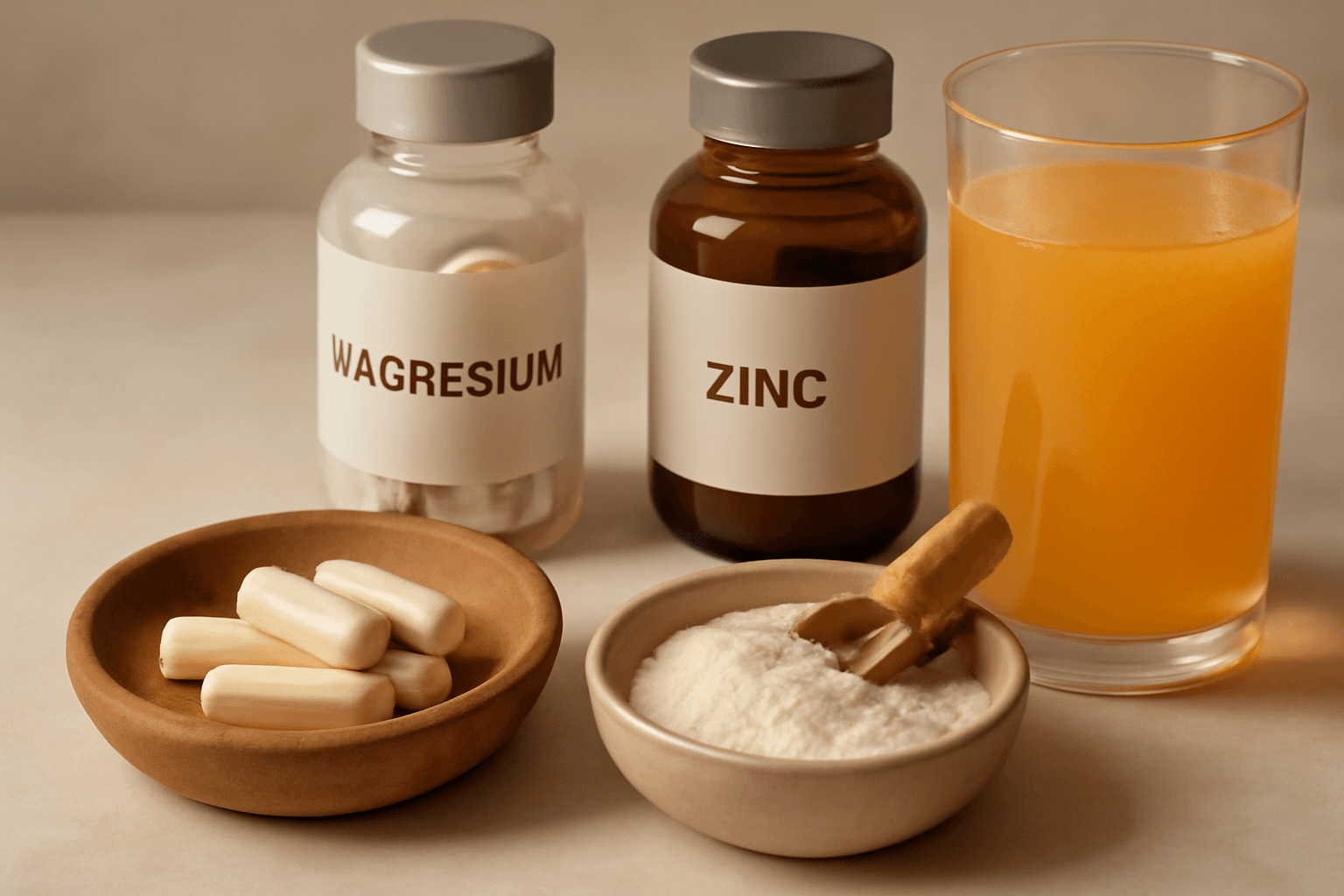
Considering Supplemental Nutrition
Consuming specific supplements during fasting can help maintain skin health.
- Collagen Peptides: 10g daily with up to 90% absorption rate. 4-8 weeks needed for skin elasticity recovery
- Vitamin C: 500-1000mg daily. Promotes collagen synthesis, provides antioxidant effects
- Omega-3 Fatty Acids: 1000-2000mg daily. Reduces skin inflammation, increases moisture retention
- Zinc: 15mg daily. Prevents acne worsening, strengthens skin immunity
- Biotin (Vitamin B7): 2.5mg daily. Simultaneously improves hair and skin health
However, supplements should only be taken during eating periods, and you should consult with a healthcare professional to choose products suited to your individual condition.
Monitoring Skin Condition
Regularly tracking skin changes during fasting helps you find the optimal method tailored to you.
- Weekly Skin Photos: Take facial photos under identical conditions to track changes in wrinkles, elasticity, and skin tone
- Moisture Measurement: Use a skin moisture meter (ideal reading: 50% or higher)
- Acne Tracking: Record acne type (comedones, inflammatory) by count and location
- Symptom Recording: Document onset time of symptoms like itching, stinging, or peeling
If negative changes persist or worsen for two weeks or longer, it's advisable to reduce fasting intensity or temporarily suspend it.
The Importance of Professional Medical Consultation
Since fasting affects individuals differently, professional medical consultation (dermatologist, nutritionist, or internist) is essential before starting, particularly in these cases:
- History of skin conditions (acne, eczema, psoriasis)
- Chronic disease patients (thyroid disease, diabetes)
- Currently taking medications
- Pregnant or breastfeeding
- Age 65 and older
- Previous severe skin deterioration during dieting
Summary
Key Points:
- Fasting has direct negative effects on skin through reduced collagen, blood sugar fluctuations, water loss, and decreased immunity.
- Sufficient protein intake (especially essential amino acids) supports collagen synthesis and maintains skin elasticity.
- Balanced water and electrolyte intake simultaneously prevents skin dryness and inflammation.
- 7-9 hours of adequate sleep is a key factor in skin regeneration by promoting growth hormone secretion.
- 5:2 fasting is more effective for skin health than 16:8 fasting.
- Dermatological consultation before starting and baseline skin condition documentation are essential for early detection of adverse effects.
- Flexibility to adjust fasting intensity or temporarily suspend it when skin changes persist is necessary.
Professional Advice: Fasting and skin health can be in conflict. If you want to achieve healthy weight loss while maintaining skin health simultaneously, it's safest to establish a personalized fasting plan with healthcare professionals and adjust it through regular monitoring.