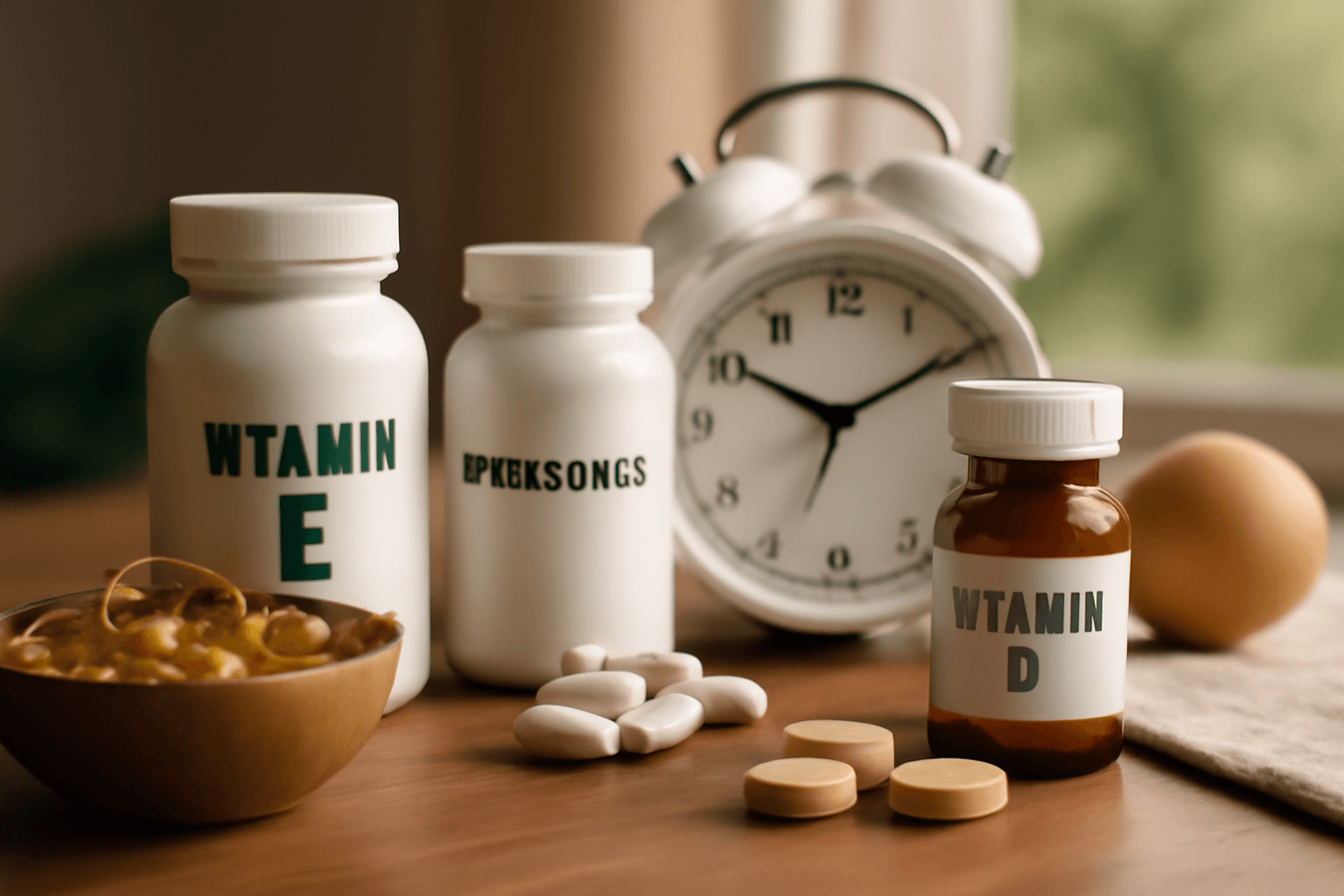
Our immune system, which protects our bodies from disease, is a 24-hour defense mechanism against invaders such as bacteria, viruses, and fungi. The stronger your immunity, the lower your risk of infection and the faster your recovery. However, modern lifestyles characterized by irregular habits, stress, and nutritional imbalances are major causes of immune system weakening. This article covers everything about strengthening immunity, from how the immune system works to lifestyle improvements and effective nutrients.
How Does the Immune System Work?
The immune system is broadly divided into innate immunity and adaptive immunity. Innate immunity is the first line of defense, composed of skin, stomach acid, and white blood cells, and responds immediately when pathogens invade our bodies. Adaptive immunity is led by lymphocytes such as T cells and B cells, which remember pathogens that have invaded in the past and respond quickly to reinvasion.
Interestingly, our bodies contain approximately 37 trillion cells, of which about 2 trillion are immune-related cells. These cells constantly circulate through the blood, lymph, bone marrow, thymus, and spleen, monitoring for intruders. In particular, the gut microbiome interacts with about 70% of the entire immune system, so gut health directly translates to immunity.
For the immune system to function properly, adequate nutrients are essential. Protein is a key component of antibodies and immune cells, while zinc is directly involved in T cell development and activation. Insufficient levels of these nutrients weaken immune responses and make you vulnerable to infection.
How Do Seasonal Changes Affect the Immune System?
It's no coincidence that colds and flu become prevalent with each change of season. When winter temperatures drop, the mucous membranes in our bodies contract, reducing respiratory defense capacity by 30-50%. Additionally, increased indoor activity makes virus transmission easier.
The relationship between seasonal changes and immunity is deeply connected to sun exposure. Lack of sunlight in winter interferes with vitamin D synthesis, and research shows that populations with vitamin D deficiency have a 40% higher risk of respiratory infections. Vitamin D is not only essential for bone health but also crucial for immune cells to recognize and respond to pathogens.
Abrupt temperature changes in spring and autumn also stress the immune system. As the body adapts to new temperatures, energy consumption increases, leading to reduced immune function. Particularly, children, elderly people, and those with chronic diseases need extra caution during seasonal transitions.
How Should You Change Your Lifestyle to Improve Immunity?
Adequate Sleep
During sleep, our bodies produce immune substances and repair damaged cells. Adults need 7-9 hours of quality sleep daily, and sleeping less than 6 hours increases your cold risk by four times. Sleep deprivation raises cortisol, a stress hormone, which suppresses immune cell activity.
To improve sleep quality, take a warm shower 1-2 hours before bed, avoid caffeine and stimulating foods, and maintain a bedroom temperature of 16-19°C. Consistent sleep schedules are also important. Going to bed and waking up at the same time daily stabilizes your body's rhythm and improves sleep quality.
Stress Management
Chronic stress is the greatest enemy of immunity. When stressed, the sympathetic nervous system activates, raising cortisol and adrenaline levels. These hormones suppress immune cell production and slow the activity of existing immune cells. In severe cases, stress-related immune decline can increase infection risk by 30% within two weeks.
Effective stress management varies by individual, but meditation, yoga, walking, and music listening are scientifically proven. Twenty to thirty minutes of daily meditation reduces cortisol levels by 20-30%, and regular aerobic exercise promotes NK cell (natural killer cell) activity.
Regular Exercise
Moderate-intensity exercise is one of the most effective ways to strengthen the immune system. Aerobic exercise for 30 minutes or more, 3-5 times per week, promotes white blood cell circulation and improves pathogen surveillance capacity. NK cells increase by 150-300% after exercise, and this effect lasts 3-4 hours.
However, excessive exercise can actually lower immunity. The "Open Window" phenomenon occurs after marathons or extreme exercise, where immunity temporarily drops, so consistent moderate exercise is recommended over strenuous workouts.
Proper Eating Habits
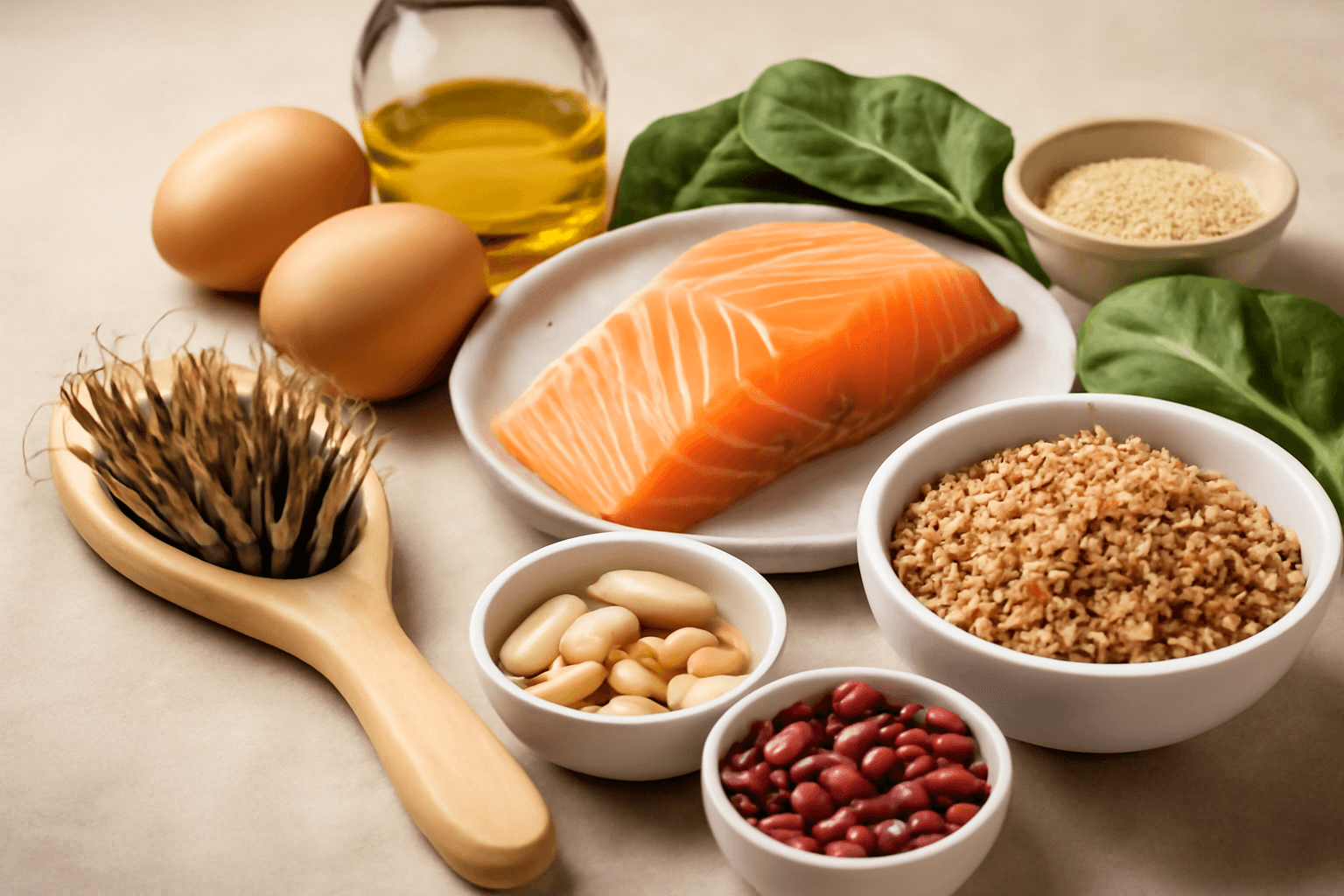
Diet is the foundation of immunity. Adequate protein intake is essential—adults need 0.8-1.0g of protein per kilogram of body weight. Eggs, fish, tofu, beans, and chicken breast are good protein sources. Colorful vegetables and fruits rich in antioxidants are also important. Polyphenols and carotenoids found in berries, broccoli, carrots, and spinach prevent oxidative damage to immune cells.
Limit processed foods, high-fat foods, and excessive sugar, as they increase harmful bacteria in the gut and trigger inflammation. Research shows that consuming 100g of sugar reduces white blood cell phagocytic capacity by 50% for 2-5 hours afterward.
What Supplements Support Immunity?
Zinc
Zinc is an essential mineral for T cell and B cell development, activation, and differentiation. The daily recommended amount for adults is 11mg for men and 8mg for women, and it's abundant in oysters, beef, pumpkin seeds, and cashews. Zinc deficiency leads to reduced immune response, and taking zinc supplements in the early stages of a cold can shorten symptom duration by 1-2 days.
However, consuming more than twice the daily recommended amount can cause side effects like nausea and impaired copper absorption, so caution is necessary.
Vitamin C
Vitamin C supports immune cell function and regulates inflammatory responses. The daily recommended amount for adults is 75-90mg, and good sources include oranges, kiwis, bell peppers, and broccoli. Interestingly, while vitamin C supplements have minimal cold prevention effects for the general population, people under extreme physical stress (high altitude climbing, extreme cold) experience a 50% reduction in cold risk.
Probiotics
Probiotics are beneficial gut bacteria, and since 70% of the entire immune system is located in the gut, gut health directly translates to immunity. Strains like Lactobacillus and Bifidobacterium strengthen the intestinal mucosa's defense function and suppress inflammatory substance production.
Daily intake of 10-100 billion CFU (colony-forming units) of probiotics reduces respiratory infection risk by 12-23%. Fermented foods like yogurt, kefir, kimchi, and miso are natural sources, and effectiveness increases when consumed with prebiotics (dietary fiber) that support probiotic growth.
Magnesium
Magnesium is a trace mineral necessary for energy production, protein synthesis, and nervous system stabilization. The daily recommended amount for adults is 400-420mg for men and 310-320mg for women, and it's abundant in almonds, black beans, spinach, and pumpkin seeds. Magnesium deficiency triggers chronic inflammation and reduced immune function, and it depletes faster in stressful environments.
When taking supplements, choose magnesium malate, glycinate, or taurate, which have high absorption rates, and be cautious about overdose, which can cause diarrhea.
Summary
Key Points for Strengthening Immunity:
- 7-9 hours of adequate sleep is fundamental to immune substance production
- Stress management and regular moderate exercise maximize immune cell activity
- Balanced intake of protein, zinc, vitamin C, probiotics, and magnesium is essential
- Gut health = overall immunity, so fermented foods and dietary fiber intake is recommended
- Strengthen nutritional management and lifestyle checks during seasonal transitions
Strengthening immunity depends more on the harmony of several habits than on one perfect action. Good sleep, stress management, regular exercise, and a balanced diet form the foundation, and supplementing with nutrients as needed based on individual requirements is most effective. In particular, since necessary nutrients and exercise amounts vary depending on individual health status, age, and existing conditions, it is recommended to consult with a healthcare professional before starting supplements or making major lifestyle changes.