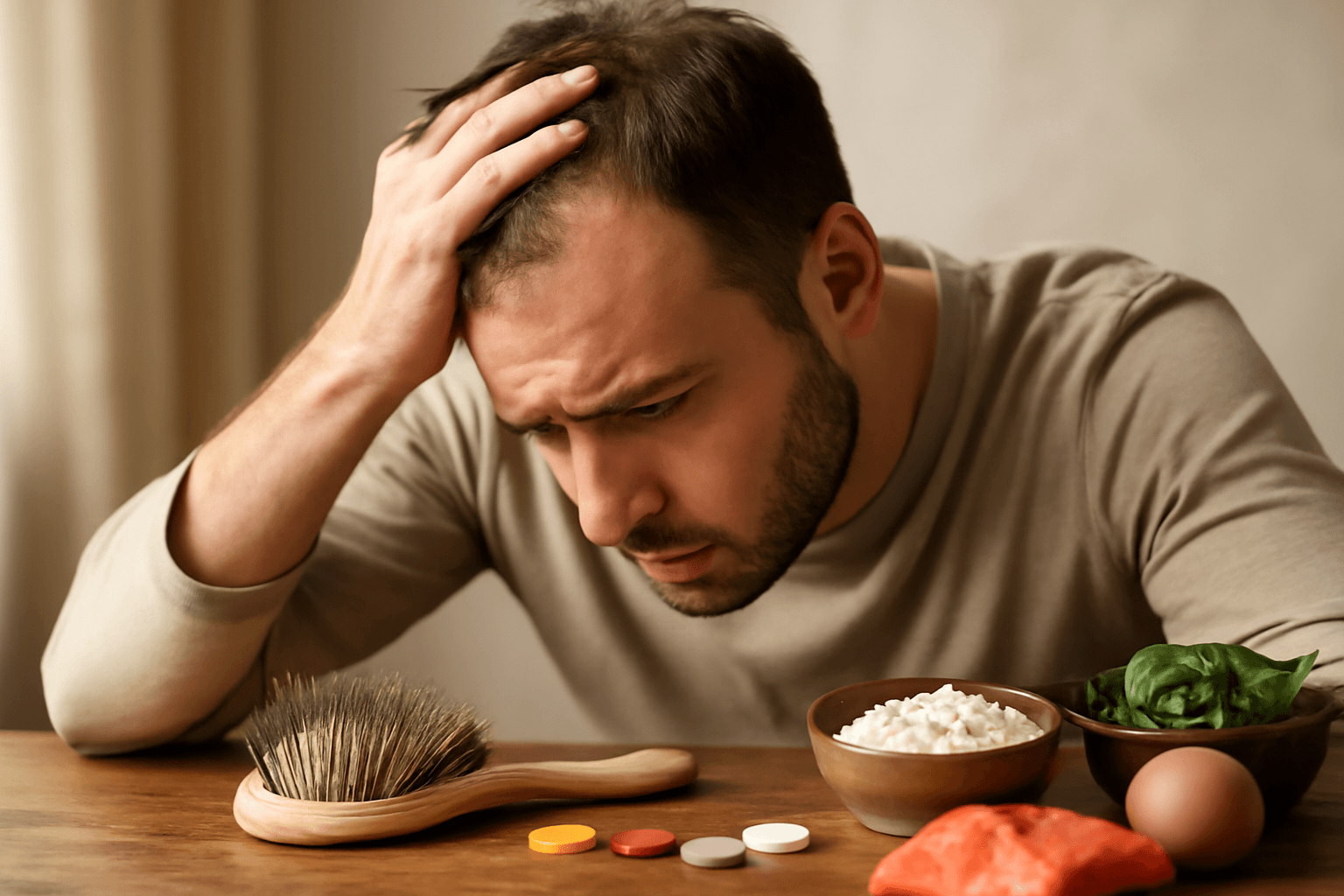
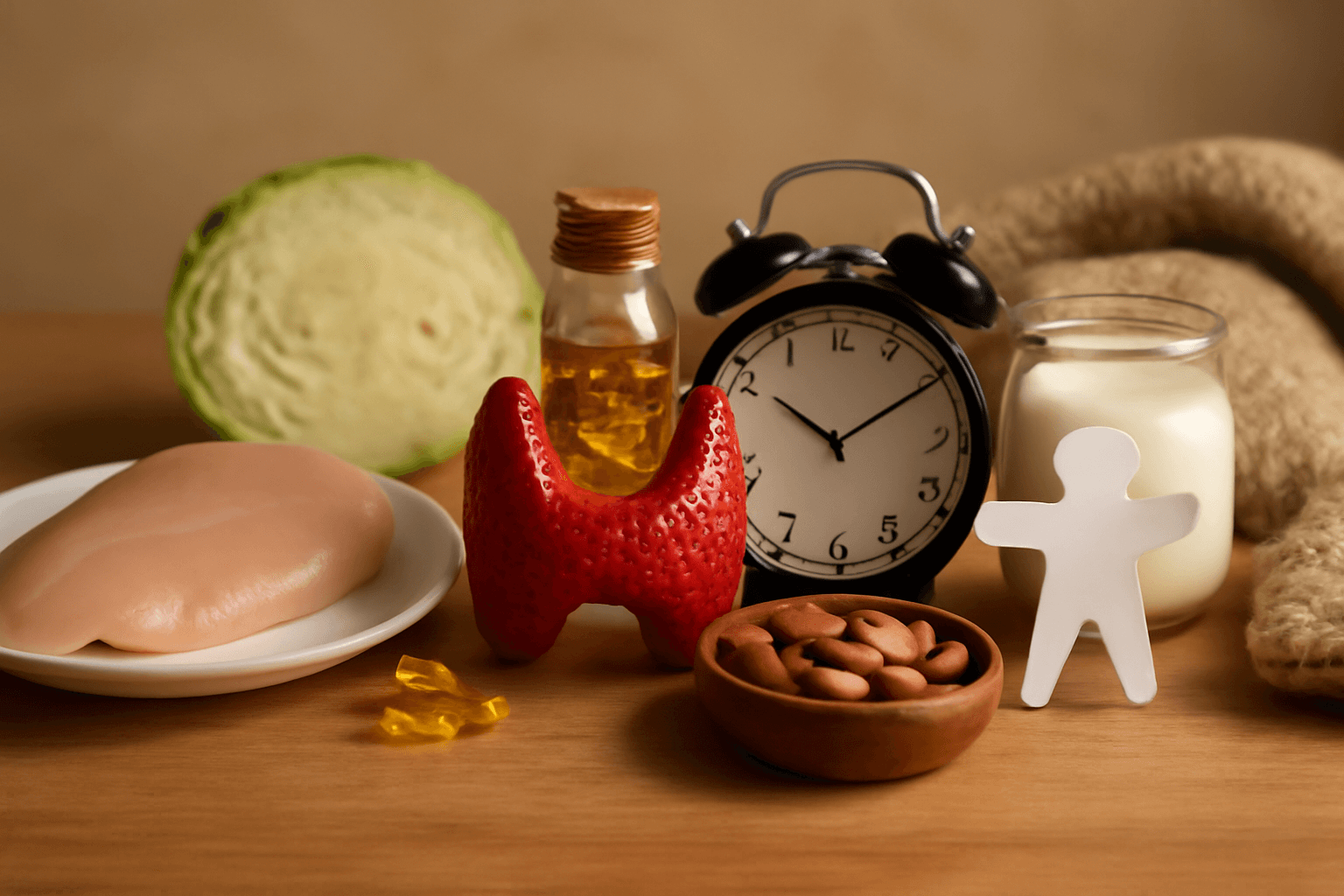
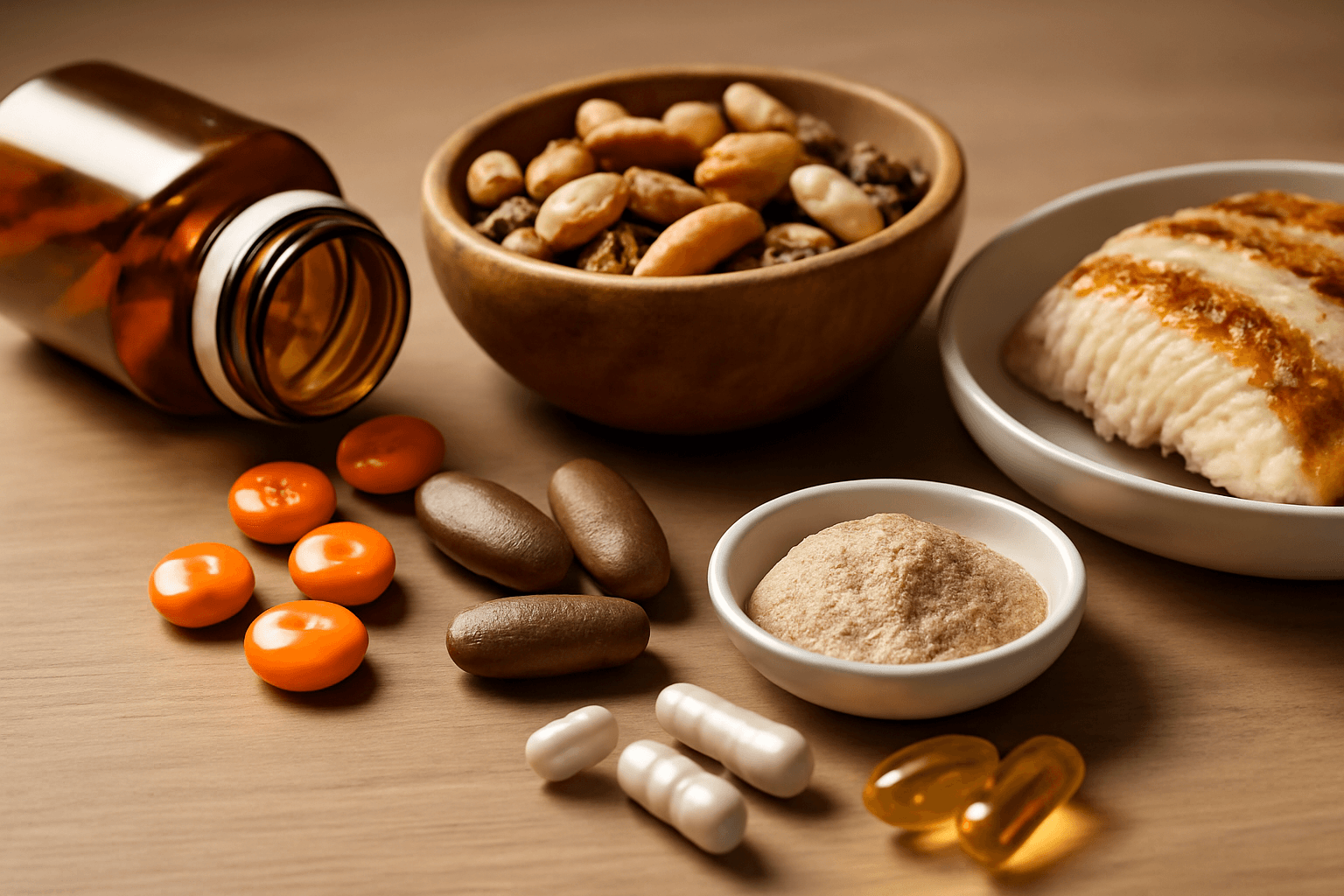
If you're experiencing more hair loss than usual, it might be more than just seasonal shedding. Stress-induced hair loss is one of the common health problems modern people face, a phenomenon where psychological stress directly affects your body's hair growth cycle. This article explores the causes and mechanisms of stress-related hair loss, and presents natural solutions to restore hair health through essential nutrients like protein, iron, and zinc, along with lifestyle improvements.
Common Causes of Hair Loss
Hair loss occurs due to several factors: genetics, hormonal changes, nutritional deficiencies, scalp conditions, and medication side effects. Among these, nutritional imbalance is the most easily overlooked cause. Since hair is a lower-priority organ in the body, it's affected first when nutrient intake is insufficient.
In particular, protein deficiency leads directly to hair loss. Since keratin, the main component of hair, is a protein, consuming less than the daily recommended intake (0.8–1.2g per kg of body weight) delays hair growth and increases telogen effluvium. Iron deficiency is also an important factor—iron transports oxygen and nutrients to hair follicles through the bloodstream. When iron is insufficient, follicle activity decreases and more hair is shed.
Zinc deficiency also promotes hair loss. Zinc is essential for protein synthesis and immune function, and when deficient, hair doesn't grow normally and scalp inflammation can worsen. These nutritional factors intensify hair loss problems when combined with stress.
What is Stress-Related Hair Loss?
Stress-related hair loss typically manifests as telogen effluvium. Normally, hair goes through cycles of growth phase (2–6 years) → regression phase (2–3 weeks) → telogen phase (2–3 months). Hair entering the telogen phase naturally falls out, and new hair grows in its place.
However, when experiencing severe stress, cortisol (the stress hormone) secretion in your body surges. Excessive cortisol triggers immune attacks on follicle cells and abnormally converts growing hair into the telogen phase. As a result, large amounts of hair shed much faster than the normal cycle.
The characteristic of stress-related hair loss is its sudden onset. Hair loss begins 2–3 weeks after a stressful event, and in severe cases, over 100–200 hairs can fall out daily. Considering that normal natural hair loss is about 50–100 hairs per day, this is quite abnormal.
Stress-related hair loss is also related to overactivation of the immune system. Extreme stress excessively activates the sympathetic nervous system, restricting blood flow, which leads to insufficient blood supply to follicles. Simultaneously, your body enters defensive mode, suppressing digestive function and reducing nutrient absorption rates.
How Common is Stress-Related Hair Loss?
Stress-related hair loss occurs far more widely than people think. According to 2023 data from the Korean Dermatological Association, approximately 30–40% of Koreans experience telogen effluvium at some point in their lives. The incidence is particularly high among adults aged 20–50 with high workplace stress.
Interestingly, stress-related hair loss doesn't discriminate by gender or age. While hair loss has traditionally been considered a male condition, the incidence of stress-related hair loss in women has surged recently. Women face increased hair loss risk when exposed to complex stressors including hormonal changes, workplace stress, and household responsibilities.
Since the COVID-19 pandemic, stress-related hair loss cases have increased further. Between 2020–2022, telogen effluvium diagnoses increased 45% year-over-year, closely linked to social anxiety and drastic life changes. Hair loss concentrates particularly 2–3 weeks after major life events like job loss, mergers and acquisitions, exam failure, or relationship breakups.
The prognosis for stress-related hair loss is relatively good. When the causative stress is removed and the body recovers, most cases recover naturally within 3–6 months. However, to shorten recovery time and maximize results, active nutritional management and lifestyle improvements are essential.
Solutions for Stress-Related Hair Loss
1. Increase Protein Intake
Approximately 95% of hair is composed of a protein called keratin. Therefore, sufficient protein intake is the foundation of hair growth. Under stress, your body consumes protein to produce cortisol, so you need more than the general recommended amount.
The daily protein target for hair loss prevention is 1.2–1.5g per kg of body weight. A 70kg adult should consume 84–105g. It's important to distribute high-protein foods like eggs (6g per egg), chicken breast (31g per 100g), salmon (25g per 100g), Greek yogurt (10g per 100g), and tofu (15g per 100g) evenly across 3–4 meals daily.
Digestive capacity should also be considered. Since stress can impair digestive function, consuming smaller amounts frequently is more efficient than excessive protein in one meal. While protein powder can be used, prioritize natural food-based protein sources.
2. Iron and Zinc Supplementation
Iron is a component of hemoglobin in blood, transporting oxygen to tissues throughout the body. Hair follicles are tissues that depend on oxygen and nutrient-rich blood flow, so iron deficiency leads directly to hair loss. Women need special attention due to iron loss from menstruation.
The daily iron recommendation is 10mg for adult men and 18mg for menstruating women. It's abundant in red meat (beef, lamb), oysters, spinach, broccoli, and lentils. However, since iron has low absorption rates, consuming it with vitamin C (oranges, bell peppers, kiwi) can increase absorption efficiency more than threefold.
Zinc is essential for protein synthesis, cell division, and immune function. Zinc is needed for hair follicle growth and recovery, and deficiency reduces hair strength and elasticity. The daily zinc recommendation is 11mg for adult men and 8mg for women. Oysters (12mg per 100g), beef (7mg per 100g), pumpkin seeds (7mg per 100g), and cashews (5.6mg per 100g) are excellent sources.
After confirming iron and zinc levels through blood tests, consider supplementation under professional medical guidance if needed. Special caution is required for vegetarians or those with digestive disorders.
3. Sleep Improvement
Sleep is the most important time for body recovery. Hair follicle cells actively recover and regenerate during deep sleep, and cortisol levels normalize. Sleep deprivation elevates cortisol, worsening hair loss.
Research shows that growth hormone and melatonin secretion peak between 10 PM and 2 AM. Getting at least 4 hours of sleep during this window significantly increases hair loss recovery speed. The ideal sleep duration is 7–9 hours daily.
To improve sleep quality:
- Go to bed and wake up at the same time daily (regulate body rhythm)
- Stop smartphone use 1 hour before bed (block blue light)
- Maintain bedroom temperature at 16–19°C
- Avoid caffeine after 6 PM
- Expose yourself to morning sunlight (normalize circadian rhythm)
For stress-related insomnia, practicing meditation or deep breathing exercises for 15–20 minutes before bed is effective.
4. Stress Management and Immune Enhancement
Since stress itself is the root cause of stress-related hair loss, active stress management is the most important solution. Activities like meditation, yoga, exercise, and art therapy calm the sympathetic nervous system and activate the parasympathetic nervous system, shifting your body into relaxation mode.
Exercise is particularly effective. Aerobic exercise (walking, jogging, swimming) for 30+ minutes, 3–4 times weekly reduces stress hormones and promotes endorphin release. Additionally, increased blood flow during exercise improves scalp circulation, delivering more nutrients to follicles.
Immune enhancement is also important. Under stress, immune function decreases, increasing scalp inflammation and worsening hair loss. Here are immune-boosting foods:
- Garlic and ginger (anti-inflammatory effects)
- Berries (rich in antioxidants)
- Mushrooms, especially shiitake and reishi (contain polysaccharides)
- Fermented foods (kimchi, yogurt, miso—support gut microbiota health)
- Green tea (contains polyphenols)
Gut microbiota health cannot be overlooked. Recent research has revealed the connection between the gut-brain axis and hair loss. Stress alters gut microbiota composition, and proliferation of harmful bacteria triggers inflammation, worsening hair loss. Probiotics (lactic acid bacteria) or increased dietary fiber restore gut microbiota balance and improve immune function.
5. Cardiovascular Health and Circulation Improvement
Cardiovascular health directly relates to hair health. Smooth blood circulation allows follicles to receive adequate oxygen and nutrients. In stress states, blood vessels constrict, restricting blood flow, so improving heart health indirectly helps hair loss recovery.
For cardiovascular health:
- Omega-3 fatty acids: salmon, mackerel, flaxseed (2–3 tablespoons daily)—improve vascular elasticity
- Dietary fiber: oats, barley, vegetables (25–30g daily)—reduce cholesterol
- Niacin (vitamin B3): chicken breast, tuna, mushrooms—dilate blood vessels
- Limit salt intake (under 5g daily)
- Avoid alcohol and tobacco
Scalp massage is also effective for circulation improvement. Gently massaging your scalp with fingertips for 5 minutes daily increases scalp blood flow and reduces stress hormones. Taking deep breaths during the session activates the parasympathetic nervous system, doubling the stress-relief effect.
6. Digestive Function Improvement
Stress directly suppresses digestive function. When the sympathetic nervous system is overactive, blood flow to the stomach decreases and digestive enzyme secretion drops, reducing nutrient absorption rates. No matter how nutritious the food, it's useless if not absorbed.
Methods to improve digestive function:
- Eat slowly: spend at least 20 minutes per meal chewing thoroughly
- Regular meal timing: eat at set times matching your body rhythm
- Consume digestion-friendly foods: warm soups, stews, porridge—soft and warm foods
- Ginger and peppermint tea: promote digestive movement
- Eat smaller portions: stop at 70–80% fullness (reduce digestive burden)
- No late-night eating: stop eating 3 hours before bed
Also, alcohol and spicy foods worsen digestion and increase inflammation, so limiting them is advisable.
7. Scalp Health Management
Scalp condition is an important variable in the hair loss recovery process. If scalp inflammation from stress or seborrheic dermatitis accompanies hair loss, it can worsen.
- Choose gentle shampoos: use sulfate-free products
- Appropriate shampooing frequency: once daily with lukewarm water (38°C) for 2–3 minutes
- Scalp scrub: once weekly, gently massage with salt or sugar to remove dead skin
- Cool air drying: hot air strips scalp moisture
- Towel drying carefully: pat dry instead of rubbing
Consulting a dermatologist for scalp evaluation and receiving necessary treatments (anti-inflammatory lotions, medical shampoos, etc.) can also help.
Summary
Stress-related hair loss is a common modern health issue, but with understanding of its causes and mechanisms plus appropriate responses, recovery is entirely possible. Key points include:
- Nutritional supplementation: Consume adequate protein (1.2–1.5g per kg body weight daily), iron (18mg), and zinc (8–11mg)
- Sleep: 7–9 hours daily, prioritizing deep sleep between 10 PM and 2 AM
- Stress management: Calm the sympathetic nervous system through exercise (3–4 times weekly, 30 minutes), meditation, yoga, etc.
- Immune enhancement: Reduce inflammation through fermented foods, garlic, berries, etc.
- Circulation improvement: Promote blood flow through omega-3 intake and scalp massage
- Digestion improvement: Maximize nutrient absorption by eating slowly and regularly
- Scalp care: Prevent scalp inflammation through gentle products and proper management
Medical Note: If hair loss persists for over 3 months or more than 200 hairs fall out daily, visit a dermatologist or hair specialist for accurate diagnosis. What you thought was stress-related hair loss might be alopecia areata or hormone-related hair loss, requiring professional treatment. Particularly, avoid overdosing on iron or zinc supplements based on self-judgment; when possible, undergo blood tests to understand your current nutritional status before supplementing under medical professional guidance.
Hair loss is a health signal your body sends. Use it as an opportunity to implement stress management, nutritional improvements, and lifestyle changes, and you'll see improvements not only in hair health but in overall physical health as well. Consistent effort will show tangible results within 3–6 months, so don't lose hope and proceed with implementation step by step.