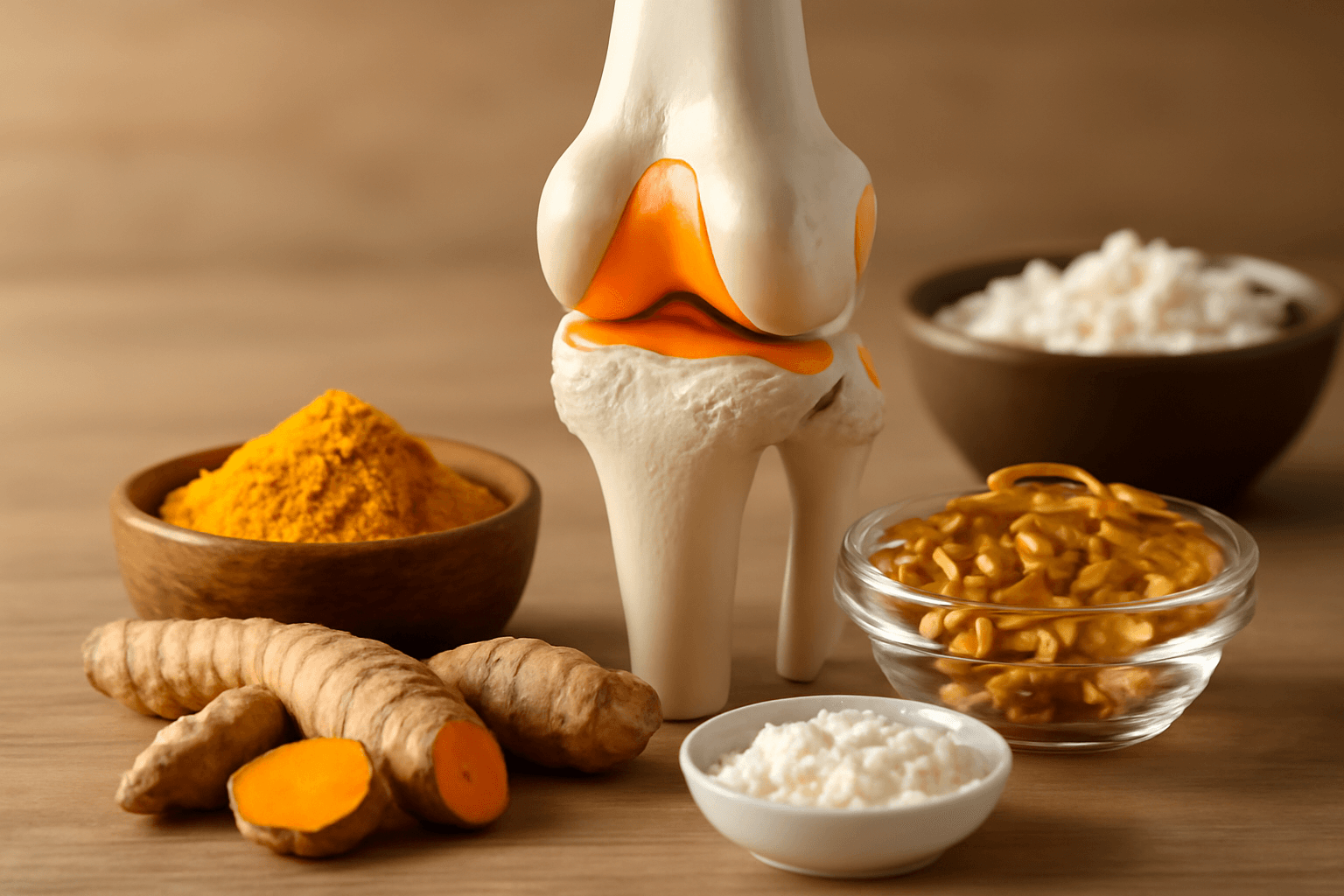
Collagen is the most abundant protein in our body, serving as a key component of various tissues including skin, bones, cartilage, and blood vessels. Collagen is not simply a single substance; it is classified into at least 28 different types, of which three main types (Types I, II, and III) account for 80-90% of total collagen. Each type performs specialized roles in different parts of the body and can decrease due to stress, aging, and nutritional deficiencies. This article explores the three main types of collagen, their respective health benefits, and practical methods for collagen intake.
What is Collagen?
Collagen is a protein that forms connective tissue in animals, comprising approximately 30-35% of total body protein. It is the most abundant protein in the human body, accounting for up to 70% of all protein in the skin. Collagen's molecular structure consists of three amino acid chains twisted together in a helical formation, a structure that provides exceptional strength and elasticity.
The primary components of collagen are amino acids called glycine, proline, and hydroxyproline. Glycine in particular comprises about 33% of collagen, a proportion rarely found in other proteins. Our body requires trace nutrients such as vitamin C, zinc, iron, and copper to synthesize collagen, and insufficient levels result in decreased collagen production.
As we age, collagen production in our body decreases by approximately 1% annually, with this decline becoming more pronounced after age 25. Ultraviolet rays, smoking, excessive stress, and high blood sugar also promote collagen breakdown. Therefore, adequate collagen intake and promotion of collagen production are important for healthy aging.
Types of Collagen
Collagen is classified into various types according to its structure and function. More than 28 types of collagen have been discovered to date, but the most prevalent in the human body are Types I, II, and III, which together constitute approximately 80-90% of total collagen.
Each collagen type is concentrated in specific areas of the body and performs different biological functions according to its unique structural characteristics. For example, Type I collagen is primarily distributed in tissues requiring strength, Type II in cartilage requiring elasticity, and Type III in blood vessels requiring flexibility. Therefore, understanding the characteristics of each type helps maintain health and prevent specific diseases.
The ratio of collagen types varies by body location. Bones are 90% Type I, ligaments and tendons are 80-85% Type I, cartilage is 90% Type II, and blood vessel walls contain a mixture of Types I and III. These ratio variations reflect structural characteristics optimized for each location's function.
Type I Collagen
Type I collagen is the most abundant collagen in the human body, comprising approximately 70-80% of total collagen. It is present in large quantities in skin, bones, tendons, ligaments, blood vessel walls, and connective tissues of organs. The molecular structure of Type I collagen is designed to provide high tensile strength, enabling the body to withstand external impacts and stress.
Skin Health: Type I collagen comprises the dermal layer of skin and maintains skin elasticity, moisture retention, and thickness. According to research, daily intake of 10g of Type I collagen peptides increased skin moisture content after 8 weeks and showed improved skin elasticity. When Type I collagen decreases, skin becomes saggy and wrinkles increase.
Bone Health: Type I collagen is a primary component of bone matrix, providing the foundation to which minerals like calcium and phosphorus attach. Bone density is significantly affected by collagen quality and quantity, and collagen reduction is associated with increased osteoporosis risk. Particularly in postmenopausal women, the acceleration of Type I collagen decline due to decreased estrogen makes collagen intake important.
Cardiovascular Health: Type I collagen is a major component of blood vessel walls and maintains the structural integrity of vessels. Collagen decline leads to reduced vessel elasticity, becoming a risk factor for hypertension and atherosclerosis. When collagen content in blood vessels decreases, inflammatory response increases and cholesterol oxidation is promoted, worsening heart health.
Type I Collagen Sources: It can be naturally obtained from animal products such as bone broth, fish skin, eggshell membranes, and chicken skin. Collagen peptide supplements provide higher bioavailability, with daily dosages typically ranging from 300mg to 10g.
Type II Collagen
Type II collagen is a specialized collagen found primarily in cartilage, the cornea of the eye, and intervertebral discs of the spine. While comprising approximately 10-20% of total collagen, it constitutes over 90% of cartilage tissue. Unlike Type I collagen, Type II collagen emphasizes compressive strength and elasticity over tensile strength, making joint movements smooth and absorbing impact.
Joint Health: Type II collagen is a crucial component of joint cartilage, determining joint flexibility and range of motion. In clinical trials, individuals who consumed 10g of Type II collagen daily for 24 weeks experienced a 40% reduction in joint pain and improved exercise capacity. Type II collagen reduction is a major cause of osteoarthritis, particularly affecting the knees, hips, and spine.
Gut Health: Recent research shows that Type II collagen may help reduce intestinal inflammation and strengthen barrier function. When the barrier is damaged, "leaky gut" syndrome develops, increasing risks of chronic inflammation, irritable bowel syndrome, and autoimmune diseases. Type II collagen promotes regeneration of intestinal epithelial cells, helping maintain barrier integrity.
Immune Function: The gut houses approximately 70% of the body's immune system. Type II collagen, which maintains a healthy barrier, indirectly enhances immune function, improving infection resistance and overall health.
Type II Collagen Sources: It can be naturally obtained from chicken cartilage, beef cartilage, and fish cartilage, with specialized Type II collagen supplements also available commercially. Some studies used a daily dose of 10mg of hydrolyzed Type II collagen, with higher doses also appearing safe.
Type III Collagen
Type III collagen comprises approximately 10% of total collagen and is found primarily in blood vessel walls, connective tissues of organs, and the dermal layer of skin. More flexible and elastic than Type I collagen, it provides tissues with flexibility and elasticity. Type III collagen works alongside Type I collagen to determine tissue mechanical properties.
Blood Vessel Health: Type III collagen forms the media layer of blood vessel walls and is responsible for vessel elasticity and extensibility. Type III collagen provides the flexibility necessary when blood vessels constrict and dilate. When this collagen decreases, vessels become stiffened, blood pressure rises, and cardiac workload increases.
Skin Elasticity: While Type I collagen primarily provides skin strength, Type III collagen is responsible for skin extensibility and regenerative capacity. The ability of skin to return to its original shape after stretching is precisely the function of Type III collagen. As age increases, Type III collagen decreases faster than Type I, tending to result in loss of skin elasticity appearing before loss of strength.
Wound Healing: Type III collagen plays an important role in the early stages of wound healing. When a wound occurs, the body first creates a temporary structure with Type III collagen, later replacing it with stronger Type I collagen. Insufficient Type III collagen can delay wound healing and worsen scarring.
Type III Collagen Sources: Similar to Type I collagen, it can be obtained from bone broth, fish, and eggs. Type III collagen tends to exist alongside Type I, so adequate animal protein foods naturally provide it. Specialized Type III collagen supplements are also available commercially.
Health Benefits of Collagen
Joint and Cartilage Health: Collagen is a primary component of cartilage, maintaining joint flexibility and cushioning function. In multiple clinical trials with osteoarthritis patients, daily intake of 10g of collagen peptides reduced joint pain by 30-40% after 12 weeks, with improved exercise capacity and joint function. This is because collagen promotes cartilage regeneration and reduces inflammation.
Skin Health and Anti-Aging: Collagen maintains skin elasticity, moisture content, and thickness. In studies with women who consumed 2.5-10g of collagen peptides daily for 8-12 weeks, skin hydration increased by 8% and skin elasticity improved, with reduced wrinkles around the eyes. Collagen inhibits increased matrix metalloproteinase (MMP) resulting from ultraviolet damage.
Bone Health and Osteoporosis Prevention: Bone matrix is primarily composed of Type I collagen, to which minerals like calcium and phosphorus attach. When collagen decreases, bones become fragile. In studies with postmenopausal women who consumed 5g of collagen peptides daily along with calcium and vitamin D, bone mineral density increased by 7% after 12 months, while the control group showed a decrease.
Cardiovascular Health: Collagen maintains the structural integrity of blood vessel walls, which affects blood pressure regulation and vessel elasticity. Collagen deficiency is associated with vascular dysfunction. In animal studies, collagen deficiency resulted in impaired vascular endothelial function, while collagen supplementation restored vessel function. Additionally, collagen reduces vascular inflammation, inhibiting cholesterol oxidation.
Gut Health and Digestive Function: Collagen, particularly Type II, is a major component of the intestinal epithelium. When the barrier is damaged, "leaky gut" syndrome develops, allowing undigested food particles and bacteria to enter the bloodstream, triggering chronic inflammation. In animal studies, collagen intake reduced intestinal permeability and lowered inflammatory markers. In human studies, collagen supplementation improved symptoms of irritable bowel syndrome.
Hair and Nail Health: Hair follicles and nail matrices also contain collagen. Research shows that collagen peptide intake increases hair shine and reduces nail brittleness. Women who consumed 5g of collagen daily for 24 weeks showed a 12% increase in nail growth rate and a 42% reduction in nail breakage symptoms.
Muscle Strengthening: Collagen forms the fascia, the connective tissue of muscle. As age increases, collagen reduction becomes a factor in sarcopenia, or muscle loss. In studies, elderly individuals who consumed collagen peptides during exercise showed greater muscle strength gains than those who exercised without collagen. Additionally, collagen promotes insulin-like growth factor (IGF-1) production, aiding muscle regeneration.
Stress and Anxiety Relief: Recent research suggests that glycine content in gelatin, a collagen precursor, may have a calming neurological effect. Glycine acts as an inhibitory neurotransmitter, calming the nervous system. In animal studies, glycine supplementation reduced anxiety-related behavior, and in human studies, glycine intake improved sleep quality.
Optimizing Collagen Absorption: To maximize collagen bioavailability, cofactors such as vitamin C, zinc, iron, and copper are necessary. Vitamin C is essential for collagen synthesis, and its deficiency makes collagen formation impossible. Omega-3 fatty acids also help suppress collagen breakdown through inflammation reduction. Therefore, a balanced diet alongside collagen supplementation is important.
Conclusion
Collagen is an essential protein that forms major structural tissues throughout our body, including skin, bones, joints, and blood vessels. Each of Type I, II, and III collagen performs unique roles in specific areas of the body and decreases with increased age, stress, and ultraviolet exposure. Type I collagen provides bone and vessel strength, Type II provides joint cartilage elasticity, and Type III provides vessel and skin flexibility.
Key Points for Collagen Intake:
- The appropriate daily collagen peptide dosage is 5-10g, with effects appearing after 8-12 weeks of consistent intake.
- Since collagen does not work alone, it should be consumed with essential nutrients such as vitamin C (100-200mg daily), zinc, and iron.
- Collagen can be naturally obtained from animal foods such as bone broth, fish, and chicken skin.
- Omega-3 fatty acids (salmon, mackerel, flaxseed) reduce inflammation that suppresses collagen breakdown.
- Ultraviolet exposure, smoking, high blood sugar, and excessive stress accelerate collagen breakdown and should be avoided.
- As age increases, collagen production naturally decreases, so external supplementation may be beneficial.
Medical Precautions: While collagen supplements are generally safe, those taking certain medications (anticoagulants, antiplatelet agents) or having chronic conditions should consult with healthcare professionals. Additionally, collagen supplements alone cannot improve health; balanced diet, regular exercise, and adequate sleep are also necessary. Particularly if experiencing joint pain or osteoporosis symptoms, medical evaluation is essential for proper diagnosis and treatment planning.