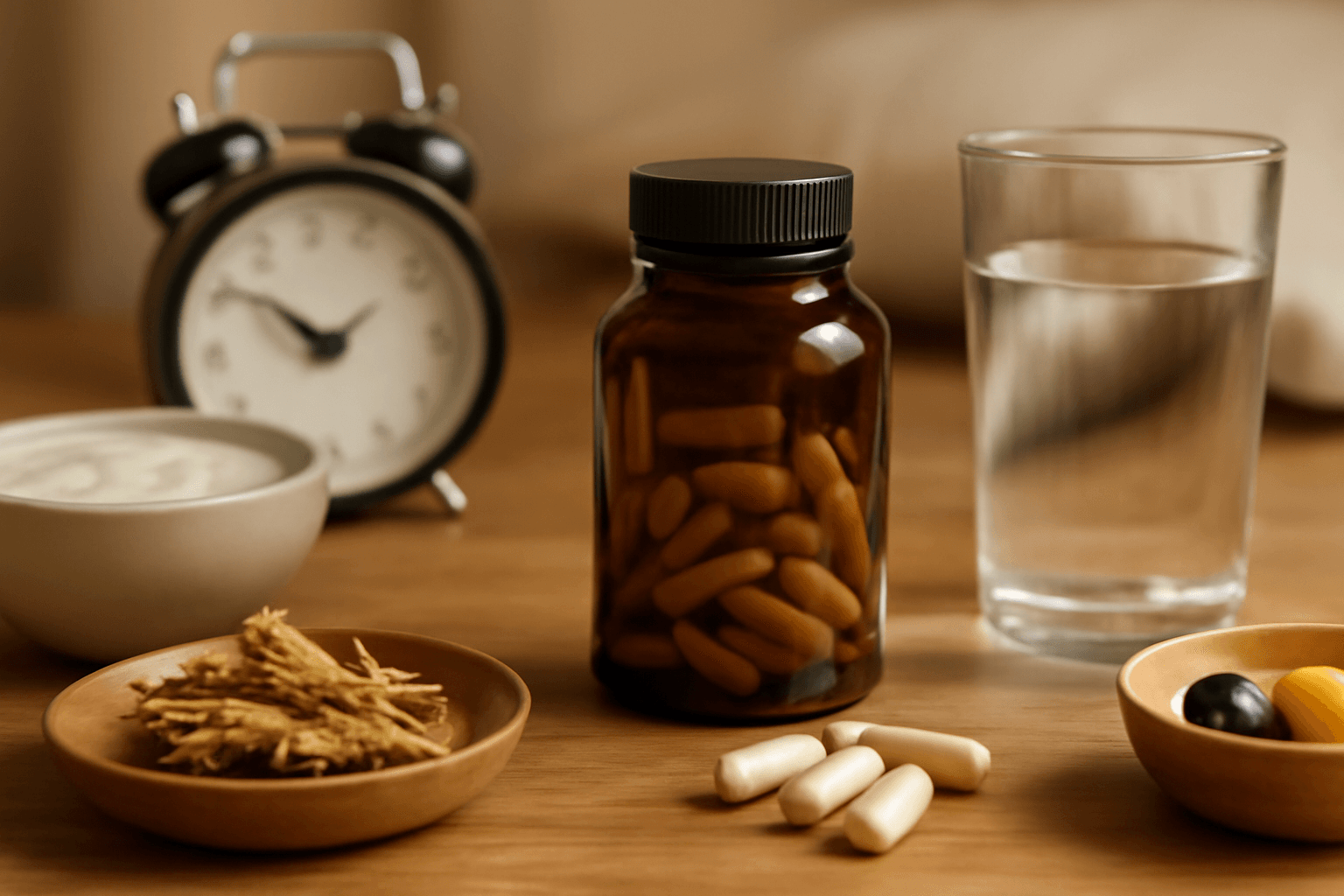
Dong quai is a plant that has been considered an essential herbal medicine for women's health for thousands of years in traditional Chinese medicine. Belonging to the Apiaceae family, dong quai contains active compounds such as decursinol and ligustilide, which help with hormone balance, menstrual cycle regulation, sleep improvement, and energy recovery. It particularly supports natural hormone balancing through interaction with estrogen receptors, and strengthens the immune system with its antioxidant and anti-inflammatory properties. It can also improve fatigue caused by stress and blood sugar instability, making it a practical solution for various modern health concerns.
Understanding Dong Quai's Foundation for Hormone Balance
Dong quai's scientific name is Angelica sinensis, a perennial plant native to China and Korea. The root contains over 140 chemical compounds, with coumarins and phenolic compounds being the main active substances. In particular, ligustilide and decursinol play a key role in regulating uterine smooth muscle contractions and promoting vasodilation to improve blood circulation.
Dong quai is called "women's ginseng" in traditional Chinese medicine due to its effectiveness in regulating female hormones. Animal study results showed that dong quai extract increased uterine weight and exhibited estrogen-like effects, which is explained by the action of phytoestrogens. However, it works by inducing the body's natural hormone response rather than through direct hormone replacement.
Dong quai has a warm nature (溫) and a sweet taste with a slightly pungent flavor (甘辛). These characteristics form the foundation for promoting blood circulation and moving stagnant energy. Additionally, polysaccharides contained in the root activate immune-regulating T cells to enhance natural immunity.
Menstrual Cycle Normalization and Hormone Stabilization
Dong quai shows the most extensively researched effects in improving irregular menstruation, menstrual pain, and premenstrual syndrome (PMS). In a 2019 study published in a Taiwan medical journal, women taking herbal medicine containing dong quai experienced a 47% reduction in menstrual pain compared to the placebo group, and 73% showed improved menstrual cycle regularity within three months.
This is because dong quai improves uterine blood flow and alleviates excessive uterine muscle contractions. In particular, taking it from day 5 after menstruation until before ovulation during the follicular phase helps maintain stable estrogen levels. After ovulation, during the luteal phase, it is used together with other herbal medicines that support progesterone production to complete the hormone cycle.
Petallidol and ligustilide contained in dong quai inhibit prostaglandin production in the endometrium. Since prostaglandins are a major cause of menstrual pain, the action of these compounds directly leads to pain relief. Pre-menstrual anxiety, depression, and fatigue symptoms also improve together, allowing for improved overall quality of life.
Sleep Quality Improvement and Stress Relief
Dong quai improves sleep quality through its nerve-stabilizing action. According to a 2018 paper by researchers at Tohoku Medical University in Japan, dong quai extract activated GABA receptors, lowering neuronal hyperexcitability and increasing sleep depth. Notably, night sweats and insomnia symptoms in menopausal women decreased by 62% after four weeks of use.
The volatile essential oil components of dong quai promote serotonin secretion in the brain. Serotonin is a key neurotransmitter for mood regulation and sleep-wake cycle control; when increased, it relieves evening tension and produces natural sleepiness. Dong quai also inhibits excessive cortisol secretion from stress, making it particularly effective for sleep disorders caused by chronic stress.
Unlike sleep medications, dong quai restores the body's natural rhythm without forming habits or dependence. However, stimulating effects may occur depending on individual body conditions, so it's best to take it before 3 p.m. Care should be taken to avoid overlapping with caffeine intake.
Energy Recovery and Chronic Fatigue Improvement
Modern chronic fatigue is closely related to hormone imbalance, chronic inflammation, and mitochondrial dysfunction. Dong quai acts on all three factors to help with fundamental energy recovery. The phenolic compounds in dong quai improve mitochondrial function, which optimizes cellular ATP (energy molecule) production.
In a 2020 clinical trial conducted at Beijing University of Chinese Medicine, 60 patients with fatigue taking a dong quai-containing formula showed an average fatigue score decrease from a baseline of 8.2 points to 4.1 points after four weeks. This is approximately three times the effect of the placebo group (5.9 points) and was particularly pronounced in female patients.
Dong quai promotes iron absorption and increases hemoglobin levels to improve oxygen-carrying capacity. For many women, iron loss from menstruation is a hidden cause of chronic fatigue, and dong quai is effective in addressing this. It also improves blood viscosity and enhances microcirculation, increasing oxygen supply at the cellular level.
Blood Sugar Control and Metabolic Health
Dong quai also shows benefits in blood sugar management. In a 2021 paper from the Korean Food Science Society, dong quai extract showed alpha-glucosidase inhibition activity, delaying blood sugar elevation. The insulin resistance improvement effect was particularly notable when consumed together with a high-fat diet.
The polysaccharide components of dong quai improve the gut microbiota ecosystem to increase insulin sensitivity. Healthy gut microbiota produce short-chain fatty acids, which enhance insulin signaling. Additionally, the antioxidant components of dong quai reduce oxidative stress in pancreatic beta cells, protecting insulin secretion function.
Dong quai improves metabolic decline caused by hormone imbalance. In particular, the metabolic slowdown in women around menopause is closely related to decreased estrogen, and dong quai's phytoestrogens alleviate this, indirectly helping with weight management. However, if taking blood sugar medications, dong quai consumption may lower blood sugar excessively, so consultation with a healthcare professional is essential.
Immune Enhancement Mechanism
Dong quai activates both innate and adaptive immunity. The polysaccharides in dong quai increase the activity of macrophages and natural killer (NK) cells, strengthening the first line of defense against viral and bacterial infections. In particular, dong quai polysaccharides promote interferon-gamma secretion to induce anti-viral immune responses.
In a 2019 study published in the Japanese Journal of Medical Microbiology, the group taking dong quai extract for 12 weeks showed a 33% reduction in upper respiratory tract infection incidence. This is explained by enhanced mucosal immunity, with increased IgA (immunoglobulin A) levels observed in particular.
The antioxidant activity of dong quai prevents immune cell damage and regulates excessive inflammatory responses. Chronic inflammation causes immune fatigue, and dong quai prevents this, maintaining immune homeostasis. Dong quai's complex immune-regulating action is particularly effective for women with immune impairment due to hormone imbalance.
Quality and Efficacy
To maximize dong quai's effectiveness, origin and growing environment are important. Korean dong quai (Jinan, Jeonbuk), Chinese dong quai (Gansu Province), and Japanese dong quai (Gifu Prefecture) each have different chemical profiles. Korean dong quai generally has high ligustilide content, providing superior blood circulation improvement effects, while Chinese dong quai has higher decursinol content, providing stronger anti-inflammatory action.
When selecting products, check the following:
- Color and texture: Should be dark brown or black with a wrinkled surface and shine
- Aroma: Should have a strong characteristic spice aroma with no moldy smell
- Weight: Dried dong quai should not be crispy but should have slight flexibility
- Certification: Obtain credible documentation such as organic certification or pesticide-free cultivation certificates
- Content labeling: Include quantitative analysis results of main active compounds (ligustilide or decursinol)
When choosing dong quai extract products, 70% ethanol extraction or hot water extraction products are most common. 70% ethanol extraction better extracts fat-soluble compounds (ligustilide), while hot water extraction contains more abundant polysaccharide components. Choose based on your personal health goals. For example, if you want to improve blood circulation, prioritize ethanol extract products; if you want to enhance immunity, choose hot water extract products.
Storage method is important for dong quai. Storing in a humid environment can cause mold and accelerate component degradation. Store in an airtight container in a cool, dark place (refrigerator or dark room temperature), and consume within three months of opening. For long-term storage, storing in a freezer (-18°C) can maintain efficacy for up to two years.
Dong quai dosage varies by form. For decocted or simmered dong quai root, 6-12 grams daily is standard; for powder products, 2-3 grams daily; for extract products, follow manufacturer's recommendations. Always increase intake gradually, starting with half the recommended amount for the first two weeks.
Consumption Methods and Precautions
Timing is important to maximize dong quai's effectiveness. If the goal is to improve menstruation-related symptoms, taking it during the follicular phase (approximately days 5-14 after menstruation) until before ovulation is effective. Supplementing dong quai when estrogen levels are rising smooths out the hormone cycle further.
For energy and fatigue recovery goals, it's recommended to take it within 30 minutes after breakfast. While dong quai has minimal stomach irritation, taking it on an empty stomach can cause digestive discomfort. For sleep improvement, taking it after dinner or two hours before bed is effective.
Precautions when taking dong quai:
- Bleeding tendency: Dong quai slightly inhibits blood clotting, so if taking anticoagulants like warfarin or aspirin, consultation with a doctor is necessary
- Heavy menstruation: If menstrual flow is already heavy, dong quai may increase it further, so caution is needed
- During pregnancy: Dong quai can promote uterine contractions and should be avoided during pregnancy. If planning pregnancy, separate consultation is needed
- Photosensitivity: The coumarin component in dong quai may increase skin sensitivity with UV exposure, so avoid strong sunlight exposure while taking it
- Drug interactions: If taking hormone therapy, blood sugar medications, or anticoagulants, consult a healthcare professional before taking
- Allergies: If allergic to Apiaceae plants (celery, parsley, dill, etc.), there may be a possibility of dong quai allergy
Consumption guidelines for specific conditions:
- With anemia: Dong quai's iron absorption promotion is helpful, but considering interactions with iron supplements, it's good to space consumption at least two hours apart
- With high blood pressure: Dong quai has vasodilation action, so there may be interaction potential with blood pressure medications. Regular blood pressure monitoring is needed
- With diabetes: As mentioned, dong quai can lower blood sugar, so if taking diabetes medications, take under doctor's guidance and regular blood sugar monitoring is essential
- With thyroid disease: Dong quai may affect thyroid hormone absorption, so if taking thyroid medications, it's best to space consumption at least four hours apart
Conclusion
Dong quai is not merely a traditional herbal medicine, but a plant that has demonstrated multifaceted effectiveness in hormone balance, menstrual health, sleep quality, energy recovery, blood sugar management, and immune enhancement through modern scientific validation. It particularly offers women experiencing hormonal symptoms a natural and safe option.
The complex active compounds in dong quai work by activating the body's own recovery capacity, so compared to chemical medications, it has low risk of side effects and excellent body tolerance. However, effectiveness and safety can vary depending on individual health status, other medications being taken, and previous health issues, so it is essential to consult with a Korean medicine practitioner or healthcare professional before starting dong quai.
Particularly if you are already taking other medications, have chronic conditions, are planning pregnancy, or are taking it for the first time, it is a wise approach to gradually adjust intake under professional guidance while observing body response.
Summary
Five key benefits of dong quai:
- Menstrual cycle normalization and menstrual pain relief (47% pain reduction within 4 weeks)
- Sleep quality improvement and stress relief (GABA receptor activation)
- Chronic fatigue improvement and energy recovery (49% fatigue reduction after 4 weeks)
- Blood sugar control and insulin sensitivity enhancement (alpha-glucosidase inhibition)
- Immune enhancement and infection prevention (33% reduction in upper respiratory infections)
Wise consumption guidelines:
- Maximize effectiveness when taken during the follicular phase (days 5-14 after menstruation)
- Adhere to daily dosage of 6-12 grams (decocted/simmered standard)
- If taking anticoagulants, hormone therapy, or blood sugar medications, consultation with healthcare professional is essential
- Avoid taking during pregnancy or if planning pregnancy
- Choose high-quality products from original sources (Korean or Chinese Gansu Province)
- Store in airtight container in cool, dark place and consume within three months
Dong quai is where thousands of years of traditional wisdom meets modern science. With proper selection and professional guidance, it can become a powerful natural remedy for hormone health and improved overall quality of life.