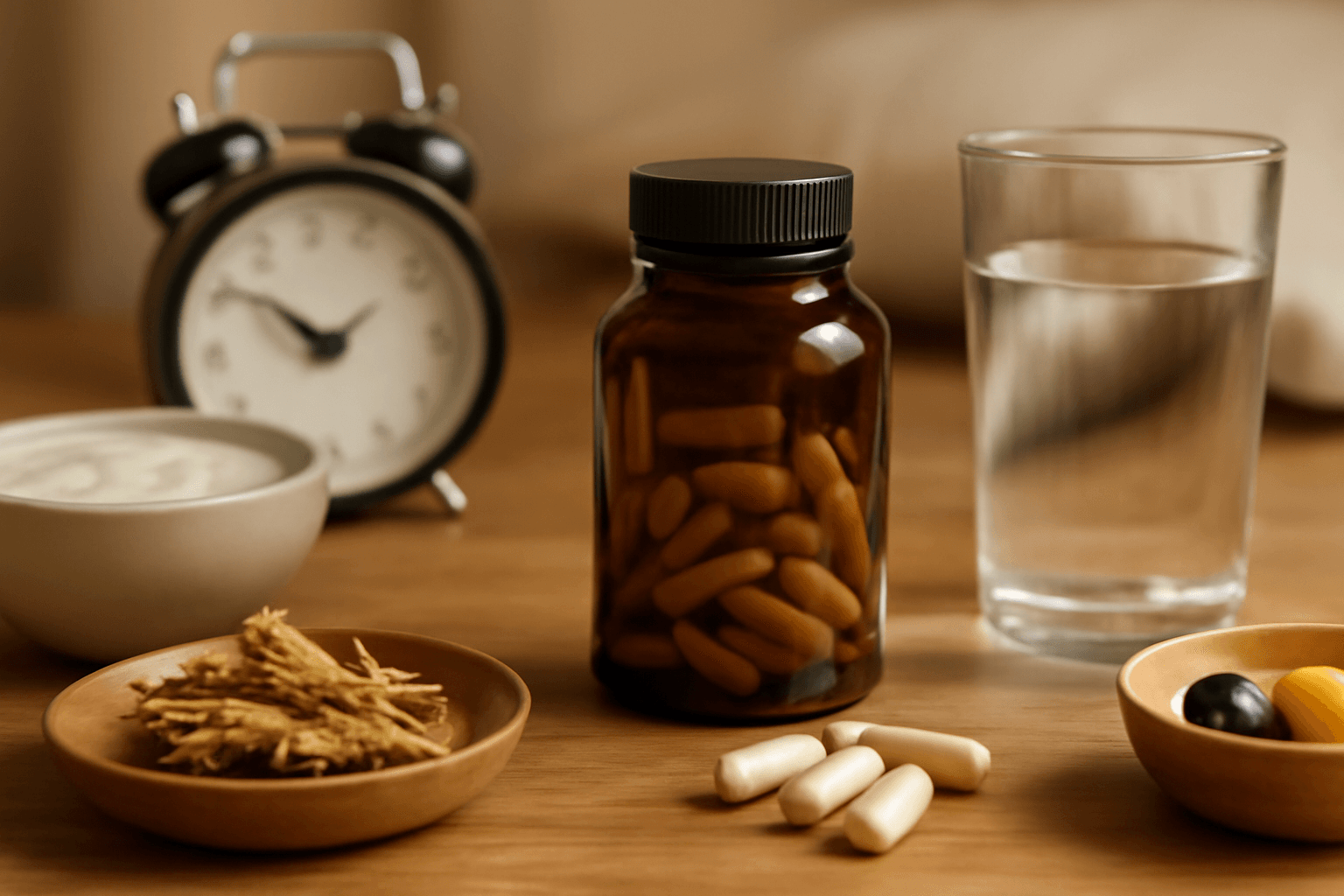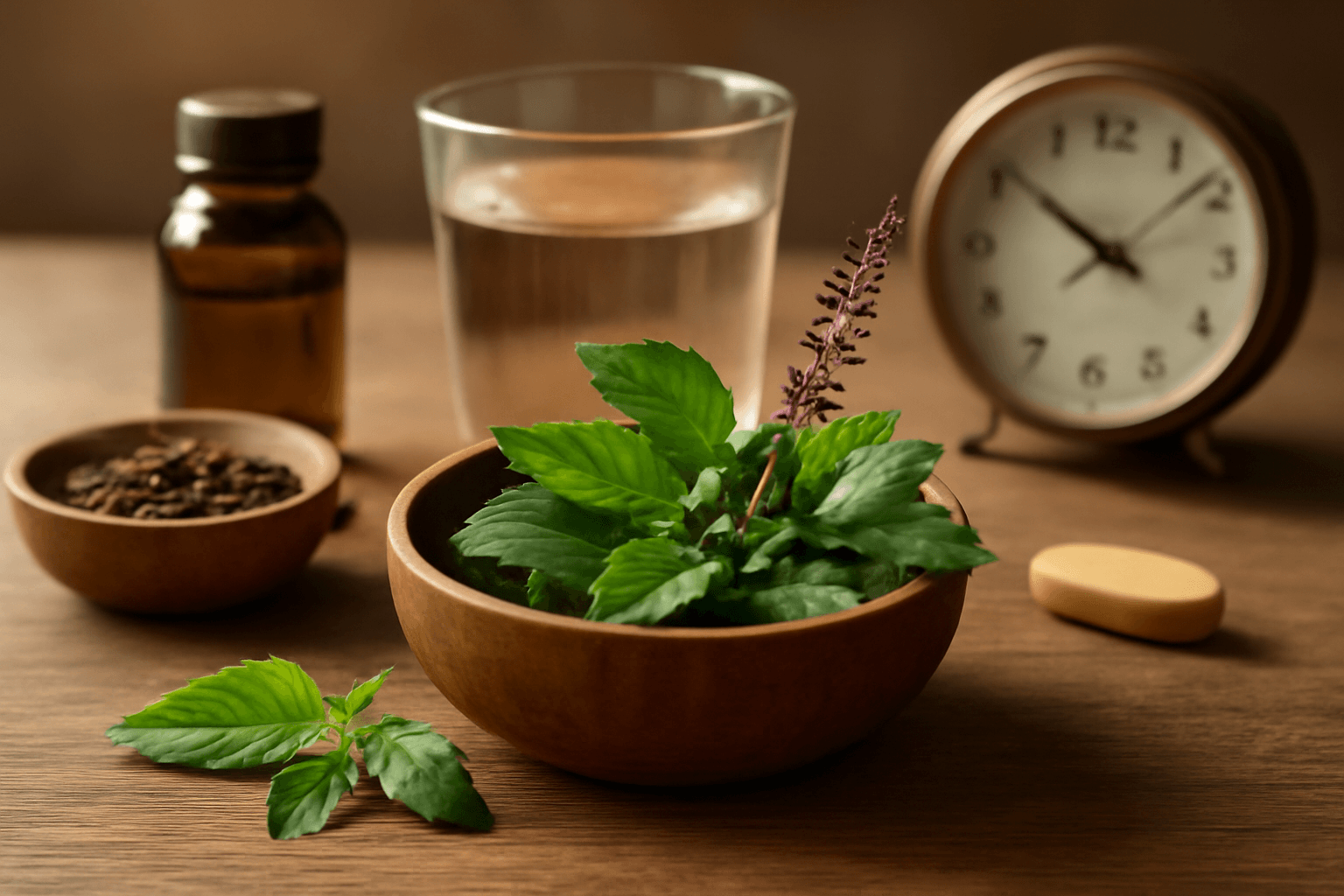
Holy Basil is a medicinal herb that has been used for thousands of years in Ayurveda, India's traditional medicine system. It contains "adaptogens," compounds similar to ginseng, which provide a variety of health benefits including stress relief, immune enhancement, improved digestion, and better sleep quality. It is particularly effective in managing chronic fatigue and stress in modern individuals, and has positive effects on blood sugar regulation and energy boost. This article introduces the scientific evidence and practical applications of Holy Basil.
What is Holy Basil?
Holy Basil is a mint family plant native to India, with the scientific name "Ocimum sanctum." It is a different species from common sweet basil and is called "Tulsi" in India, where it is considered a sacred plant in Hindu culture. It is characterized by a strong spicy aroma and a slightly peppery taste, with green or purple stems and leaves.
In terms of plant biochemistry, Holy Basil is rich in active compounds such as eugenol, caryophyllene, and luteolin. The plant has gained particular attention for containing what is called an "adaptogen," a stress-adapting substance. Adaptogens help maintain bodily homeostasis by normalizing cortisol levels, the body's stress hormone.
In traditional Ayurvedic medicine, Holy Basil is classified as "Rasayana," meaning a tonic herb that restores the body's vitality and extends lifespan. Several modern clinical studies are progressively proving the scientific basis of traditional uses, with particularly notable results in the fields of stress management and metabolic health improvement.
How to Consume Holy Basil
The simplest way to incorporate Holy Basil into your daily routine is in tea form. You can steep 5-10 fresh leaves in 200ml of boiling water for 3-5 minutes, or use dried Holy Basil tea bags (typically 1-1.5g). One to three cups daily are recommended, and choosing a caffeine-free version in the evening for better sleep is advisable.
Supplement forms such as tablets or powders are also readily available. For standardized extracts, it is common to take 300-600mg daily in 2-3 divided doses. However, since the active compound content varies by product, it is important to follow the manufacturer's dosage instructions.
You can also use it in cooking. Adding fresh Holy Basil leaves to salads, soups, or smoothies can enhance both flavor and nutrition. It is commonly used in Indian cuisine in curries and lentil soups. However, heating can cause loss of some volatile oils, so consuming it as tea or fresh leaves is recommended for maximum potency.
For those new to Holy Basil, it is safe to start with a small amount (100-200mg daily or one cup of tea) for 1-2 weeks, observe your body's response, and gradually increase the dosage.
Benefits of Holy Basil
Stress Reduction and Anxiety Relief
The most well-known benefit of Holy Basil is stress hormone reduction. According to a study published in an Indian journal in 2019, people who took Holy Basil extract (500mg/day) for 12 weeks experienced an average 28% decrease in cortisol levels, with significant improvements in anxiety scores. This effect occurs because Holy Basil's active compounds enhance serotonin signaling in the nervous system.
Improved Sleep Quality
Along with stress reduction, Holy Basil promotes natural melatonin secretion to aid better sleep. In a 2017 study, chronic insomnia patients who drank Holy Basil tea 30 minutes before bed for 8 weeks experienced an average 45-minute increase in sleep duration, with improved sleep depth. Its low caffeine content makes it suitable for evening consumption.
Improved Digestive Function
Holy Basil helps normalize gastric acid secretion and maintain intestinal microbiota balance. The eugenol compound has anti-inflammatory and antimicrobial properties that alleviate digestive discomfort. Cases have been reported where people with chronic digestive discomfort experienced an approximately 35% reduction in abdominal bloating after taking Holy Basil for 4 weeks.
Enhanced Immune Function
Holy Basil's polyphenol and flavonoid content is more than twice as high as other basil varieties. These antioxidant compounds promote immune cell (T cell and B cell) activation, increasing infection resistance. People with high frequencies of upper respiratory infections during seasonal transitions can reduce their infection risk by 15-25% with consistent Holy Basil consumption.
Improved Blood Sugar Regulation
In a 12-week study of people in the prediabetic stage for type 2 diabetes, the Holy Basil extract group (600mg/day) experienced an average decrease of 6.4mg/dL in fasting blood glucose, with improved insulin resistance. This is because Holy Basil improves pancreatic beta cell function and increases insulin sensitivity.
Energy and Fatigue Recovery
As an adaptogen, Holy Basil optimizes the body's energy generation process (mitochondrial function). In a study of athletes, those who took Holy Basil supplements for 4 weeks showed a 4% increase in maximum oxygen uptake (VO2 max), with shortened post-exercise recovery time. Patients with chronic fatigue syndrome also reported an average 30% improvement in energy levels.
Thyroid Health and Iodine Absorption
Holy Basil is a good natural source of iodine and promotes thyroid hormone production. People with iodine deficiency who regularly consume Holy Basil tend to show normalized thyroid function indicators (TSH, T3, T4). However, if you already have thyroid disease, consultation with a healthcare provider is essential.
Side Effects of Holy Basil
Although Holy Basil is generally considered safe, side effects can occur in certain situations. The most common side effects are gastrointestinal symptoms, with excessive consumption potentially causing abdominal discomfort, nausea, and diarrhea. These typically occur with high doses of over 1000mg daily.
Blood clotting effects have also been reported. The eugenol compound in Holy Basil can prolong bleeding time, so those taking anticoagulants such as Warfarin or aspirin should consult a doctor. It is recommended to discontinue consumption 2 weeks before scheduled surgery.
Safety during pregnancy and breastfeeding has not been sufficiently researched, so Holy Basil supplement use during these periods requires medical professional approval. Small amounts of fresh leaves used in cooking are generally considered safe.
Low blood sugar risk should also be considered. Patients taking diabetes medication who additionally consume Holy Basil may experience excessively low blood sugar levels, so regular blood sugar monitoring is necessary.
Rarely, allergic reactions from skin contact (rash, itching) can occur. People with allergies to mint family plants should avoid Holy Basil.
Who Should Consume Holy Basil?
People experiencing chronic stress and anxiety are primary beneficiaries of Holy Basil. It is effective in lowering cortisol levels for those with work stress, academic pressure, or anxiety disorder symptoms. It is particularly noteworthy as a natural alternative for those who do not wish to use medications or are concerned about side effects.
People with sleep problems can also benefit. Those with insomnia, shallow sleep, or frequent waking can experience improved sleep quality by drinking Holy Basil tea 30 minutes before bed.
People who frequently experience digestive discomfort—especially those with stress-related digestive issues—can benefit from Holy Basil's anti-inflammatory effects. Those with irritable bowel syndrome (IBS) symptoms have also reported improvements.
Prediabetic or early-stage type 2 diabetes patients can use it as a supplementary tool for blood sugar management. However, it should only be used as a complement to treatment, not as a replacement for medication.
People with chronic fatigue and low energy levels—particularly when fatigue is related to stress and sleep deprivation—can recover energy levels through the adaptogenic effect.
People who frequently catch colds during seasonal transitions can benefit from Holy Basil's immune-enhancing effects for infection prevention. Starting consumption 3 months before the fall and winter season is especially effective.
Conversely, groups that should avoid it include anticoagulant users, pregnant or breastfeeding women, those taking hypoglycemic medication (without doctor's approval), and those with scheduled surgery (2 weeks before through post-surgery).
Consistent Holy Basil Consumption
To maximize the health benefits of Holy Basil, consistent consumption for at least 4-8 weeks is essential. Many studies have set this timeframe for when effects appear, and physiological changes such as stress hormone reduction begin to be detected after 2-3 weeks.
Practical methods for consistent consumption:
- Daily routine integration: Create a routine of drinking Holy Basil tea every morning upon waking or before bedtime. Use alarms or "habit stacking" techniques to automatically drink after meals.
- Home cultivation: Growing Holy Basil on a balcony or garden provides access to fresh leaves at all times and reduces costs. Seeds are available from Indian spice shops.
- Batch preparation: Prepare a week's worth of tea on weekends and refrigerate it for convenient consumption on busy weekdays (remains fresh for 5-7 days when frozen).
- Dual-purpose use: Serve Holy Basil tea to guests at home or add fresh leaves when cooking curry or soup for varied consumption.
- Progress tracking: Recording stress levels, sleep quality, and energy levels once weekly maintains motivation and allows you to visually confirm actual improvements.
Seasonal adjustments: Drink it as iced tea in summer and warm tea in winter to consistently enjoy it year-round with adjustments suited to each season.
Effect review period: After 4 weeks, evaluate stress levels and sleep improvements. If clear improvements are evident, continue to maintain that state. If changes are minimal, increase the dosage by 1.5 times or consult with a healthcare professional.
Summary
Key takeaways about Holy Basil:
- A traditionally proven adaptogenic plant effective in reducing stress hormones (cortisol), relieving anxiety, and improving sleep
- Provides broad-ranging health benefits including improved digestion, immune function, blood sugar regulation, energy enhancement, and iodine supply
- Can be consumed in various forms—tea, supplements, fresh leaves—with recommended daily intake of 300-600mg (or 1-3 cups of tea)
- Side effects are rare, but those using anticoagulants, pregnant women, and those taking hypoglycemic medication must consult a doctor
- Consistent consumption for at least 4-8 weeks is necessary to experience benefits
- It plays a complementary role rather than replacing medication, so medical consultation is recommended when combining with existing disease treatment
Holy Basil is a natural health plant where Indian traditional wisdom meets modern science. It can be a practical alternative for wellness in today's high-stress society, particularly for mental stability and maintaining bodily homeostasis. However, it is important to consume it safely considering individual health conditions and medications, and to seek medical guidance when necessary. Through consistent and informed consumption, you can experience the multifaceted benefits of Holy Basil.