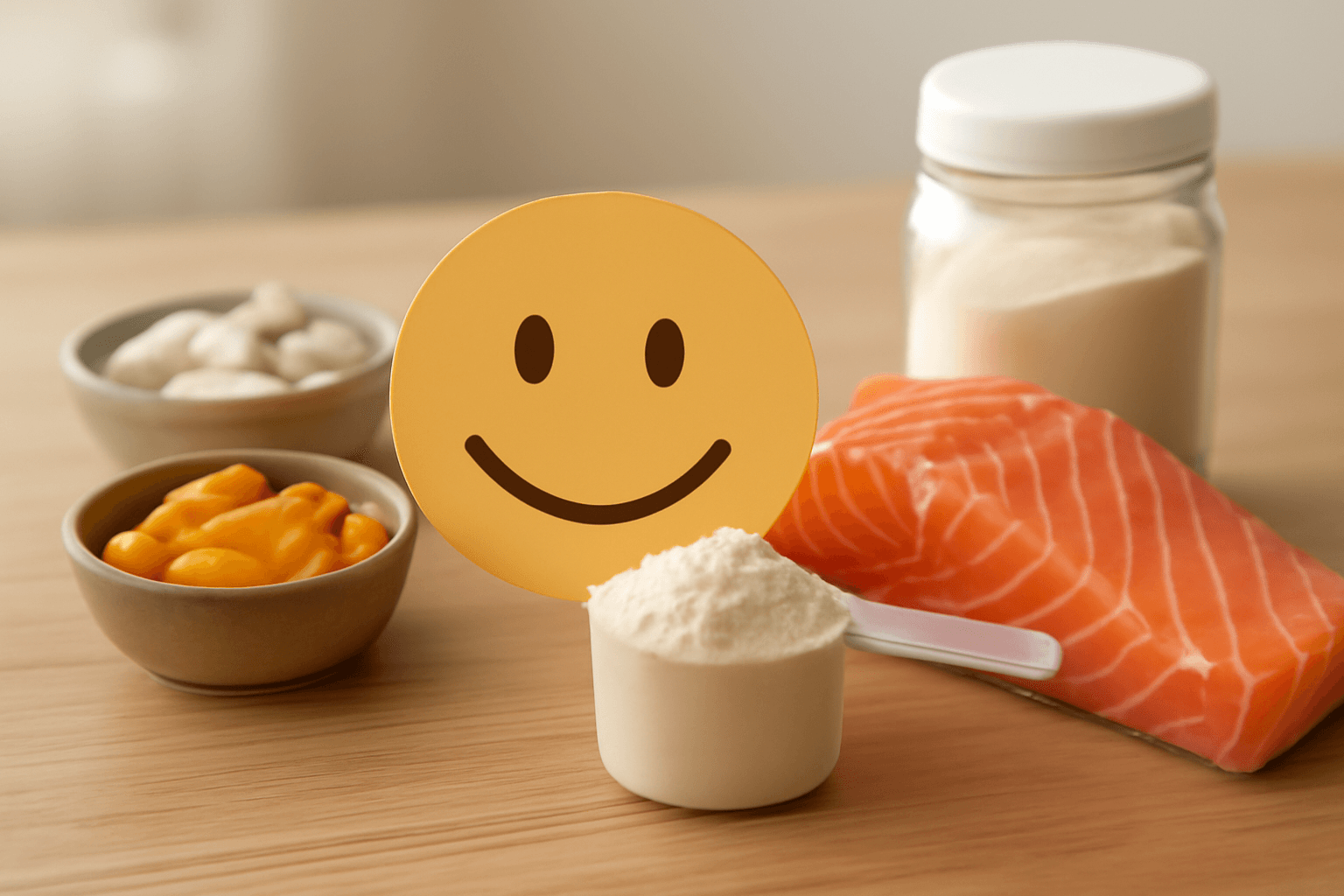
Our mood is the result of complex biochemical processes. It's not simply a matter of psychological state but is directly influenced by neurotransmitters in the brain and our nutritional status. In particular, protein serves as a key raw material in the production of neurotransmitters essential for mood regulation, and plays an important role in maintaining energy and emotional stability through blood sugar stabilization. In this article, we'll explore with scientific evidence how protein improves our mood and alleviates stress.
Neurotransmitters
Neurotransmitters are chemical substances responsible for transmitting signals between brain cells, controlling our thoughts, emotions, and behaviors. Approximately 10 billion neurons in the brain secrete neurotransmitters through a narrow space called a synapse to communicate with other nerve cells. If the quantity and quality of neurotransmitters are insufficient in this process, symptoms such as low mood, anxiety, and decreased concentration can appear.
Neurotransmitters are made from amino acids, which are components of protein. Therefore, neurotransmitter production cannot occur properly without adequate protein intake. Our body requires 20 amino acids, of which 9 are essential amino acids that can only be obtained through food. By consuming various protein foods such as meat, fish, eggs, dairy products, and legumes, the brain can produce sufficient neurotransmitters it needs.
Dopamine: The Neurotransmitter That Improves Mood
Dopamine is known as the "happiness neurotransmitter" and is responsible for motivation, reward, and pleasure. When dopamine levels are low, you experience lethargy, depression, and decreased concentration. Interestingly, dopamine can increase not only through physical activity, sun exposure, and a sense of achievement, but also through the consumption of certain foods.
Dopamine is produced from an amino acid called tyrosine, and when you eat protein foods containing tyrosine, more tyrosine is delivered to the brain. According to research, people who consumed 35g of protein at lunch had significantly higher afternoon energy and concentration than those who consumed less. Since tyrosine is abundant in chicken breast, turkey, cheese, nuts, and beans, it's helpful to intentionally consume these foods when you experience mood decline or lack of motivation.
Serotonin
Serotonin is a neurotransmitter that regulates mood, sleep, and digestive health. When serotonin levels are low, depression, anxiety, and sleep problems are likely to occur. Interestingly, approximately 90% of serotonin is produced in the gut. Therefore, gut health and digestive function have a direct impact on mental health.
Serotonin is produced from an amino acid called tryptophan. However, for tryptophan to pass through the blood-brain barrier, it needs the help of carbohydrates. When you consume carbohydrates, insulin is secreted to eliminate other amino acids that compete with tryptophan, allowing relatively more tryptophan to reach the brain. This is why eating a turkey sandwich on whole grain bread improves mood and causes drowsiness. Eggs, cheese, nuts, seeds, and tofu are good food sources of tryptophan.
3 Ways to Naturally Increase Serotonin Production
First, adequate sun exposure. Sunlight directly promotes serotonin synthesis. Exposure to sunlight for about 15-30 minutes daily (without sunscreen) increases serotonin production. The reason winter depression is so common is due to reduced sun exposure. It's effective to expose yourself to natural light through daily morning walks or outdoor activities.
Second, regular physical activity. Both aerobic and strength training increase serotonin levels. Moderate-intensity exercise 3-5 times per week, for at least 30 minutes each, shows effects comparable to antidepressants. Particularly when exercising outdoors, the dual effect of sun exposure and exercise maximizes the serotonin increase.
Third, proper nutrition. You should consume complex carbohydrates along with tryptophan-containing foods and maintain amino acid balance with adequate protein. Additionally, vitamins B6, folate, and B12 act as essential coenzymes in serotonin synthesis. It's important to consume foods containing these nutrients in a balanced way, such as fish, chicken, eggs, spinach, and broccoli.
Maintaining Blood Sugar Balance
Blood sugar fluctuations are directly related to mood changes. When blood sugar spikes, insulin surges, and when it subsequently drops rapidly, fatigue, anxiety, and irritability occur. This blood sugar rollercoaster triggers the release of stress hormones cortisol and adrenaline, worsening your mood.
Protein is a key nutrient that slows blood sugar rise. Eating meals containing protein maintains satiety for longer and keeps blood sugar stable. According to research by the American Diabetes Association, obtaining 20-30% of daily energy from protein is most effective for blood sugar stabilization. Protein intake of 1.2-2g per kilogram of body weight is recommended. For example, a person weighing 70kg needs 84-140g of protein per day.
In particular, consuming adequate protein at breakfast maintains stable blood sugar throughout the day. Eating breakfast without protein (such as white rice alone) can cause blood sugar to drop sharply around 10-11 a.m., resulting in fatigue and irritability. Including eggs, yogurt, soy milk, and cheese at breakfast helps maintain stable energy and mood through the afternoon.
Add Adequate Protein to Every Meal
A practical strategy for improving mood is to include protein in every meal and snack. Many people consume adequate protein only in the evening and insufficiently at breakfast and lunch. This creates an imbalance in neurotransmitter production throughout the day.
Breakfast example: Starting with 2 eggs (12g protein) + 2 slices of toast (carbohydrates) + 1 tablespoon of butter maintains stable blood sugar and improves morning concentration. Alternatively, a combination of 1 cup of Greek yogurt (15-20g protein) + berries + nuts is also excellent.
Lunch example: According to research, consuming 35-40g of protein at lunch significantly reduces afternoon fatigue and concentration decline. A lunch box consisting of 150g of grilled chicken breast (35g protein), brown rice, and salad is ideal.
Snacks: When blood sugar drops around 3-4 p.m., consume a protein snack. A handful of unsalted nuts (5-8g protein), a piece or two of cheese (5-8g protein), a protein bar, or Greek yogurt stabilizes energy and mood until evening.
Dinner: Including 40-50g of protein at dinner also improves sleep quality. Moreover, protein maintains satiety for longer, reducing nighttime snacking cravings. Utilize diverse protein sources such as fish (containing omega-3), tofu, beef, and legumes.
There are additional considerations when consuming protein. Iron affects energy and mood through oxygen transport, and iron deficiency-related fatigue and depression are particularly common in women. Obtain iron from red meat, oysters, and spinach. Zinc is essential for neurotransmitter function and immune function, and is abundant in oysters, beef, and pumpkin seeds. B complex vitamins act as coenzymes in neurotransmitter synthesis, so consuming eggs, fish, and green vegetables is also important.
Summary
Key roles of protein in improving mood:
- Supply of amino acids, essential raw materials for neurotransmitter (dopamine, serotonin) production
- Maintaining stable energy and emotional stability through blood sugar stabilization
- Enhanced ability to cope with stress
- Improved sleep quality
- Promotion of serotonin production through improved gut health
Action plan:
- Breakfast: 15-20g of protein
- Lunch: 35-40g of protein
- Afternoon snack: 5-10g of protein
- Dinner: 40-50g of protein
- Additional nutrients: iron, zinc, B complex vitamins
Additional lifestyle habits:
- Daily sun exposure of 15-30 minutes
- Regular physical activity 3-5 times per week
- Adequate sleep (7-9 hours)
- Stress management and meditation
Medical disclaimer: The information presented in this article is general health information and cannot replace medical diagnosis or treatment. If you have chronic depression, anxiety, or other mental health issues, be sure to consult a mental health professional or healthcare provider. Especially if you're taking existing medications, please consult your doctor before making dietary changes.
Protein intake is not merely a nutrient for muscle building but a foundation for mental health. Starting today, try to consciously include adequate protein in every meal. Within a few weeks, you'll experience more stable energy, improved mood, and enhanced concentration. As healthy eating habits accumulate, you'll realize that both body and mind become healthier together.