Vegetarianism has evolved beyond a simple dietary choice into a lifestyle. Over one billion people worldwide practice vegetarianism, and in Korea, the population choosing vegetarianism for ethical, environmental, and health reasons continues to grow steadily. Vegetarianism offers various health benefits, including reduced cardiovascular disease risk, better blood sugar management, and weight control. However, to ensure adequate nutrient intake, careful meal planning and consideration of specific supplements are necessary. This article provides practical information, starting with the types of vegetarianism through the four essential supplements every vegetarian must prioritize.
Types of Vegetarianism
Vegetarianism is divided into several types based on the range of foods excluded. Veganism is the strictest form, excluding all animal products. It avoids meat, fish, eggs, dairy products, and even honey. Lacto-ovo vegetarianism excludes meat and fish but allows eggs and dairy products. Lacto vegetarianism includes dairy but excludes eggs, while ovo vegetarianism is the opposite. Pescatarianism includes fish and seafood but excludes meat.
Nutrient intake possibilities vary by vegetarian type. Vegetarians who include dairy and eggs can obtain vitamin B12 and iron directly from animal products, but vegans must rely on fortified foods or supplements. Pescatarians can obtain sufficient omega-3 fatty acids and iodine from fish. It's important to establish a nutrition strategy suited to your specific dietary type.
Benefits of Vegetarianism
Vegetarianism has a significant impact on cardiovascular health. According to a 2019 study from Harvard School of Public Health, vegetarians have a 40% lower incidence of cardiovascular disease compared to meat-eaters. This results from reduced saturated fat intake, improved cholesterol levels, and normalized blood pressure. A vegetarian diet naturally increases fiber intake, and daily fiber consumption of 25-30g reduces total cholesterol by 5-10%.
Vegetarianism also excels in blood sugar management. A diet centered on whole grains, legumes, and vegetables has a low glycemic index (GI), preventing drastic blood sugar fluctuations. According to data published in the British Medical Journal in 2017, the incidence of type 2 diabetes in vegetarians is less than half that of meat-eaters. In particular, resistant starch found in legumes provides energy slowly after digestion, maintaining satiety for longer.
Vegetarianism is advantageous for weight management because of its lower calorie density. Even with the same meal weight, plant-based foods have significantly fewer calories than animal products. While 100g of beef contains approximately 250 calories, 100g of lentils contains approximately 116 calories. This naturally restricts calorie intake, making weight loss easier.
Immune system enhancement is another major benefit. Phytochemicals, polyphenols, and carotenoids abundant in vegetables and fruits have powerful antioxidant and anti-inflammatory properties. These plant compounds eliminate free radicals and regulate inflammatory responses, protecting the body from infectious and chronic diseases. People who maintain a regular vegetarian diet have been reported to have approximately 30% lower rates of colds and flu.
Guidelines for a Healthy Vegetarian Diet
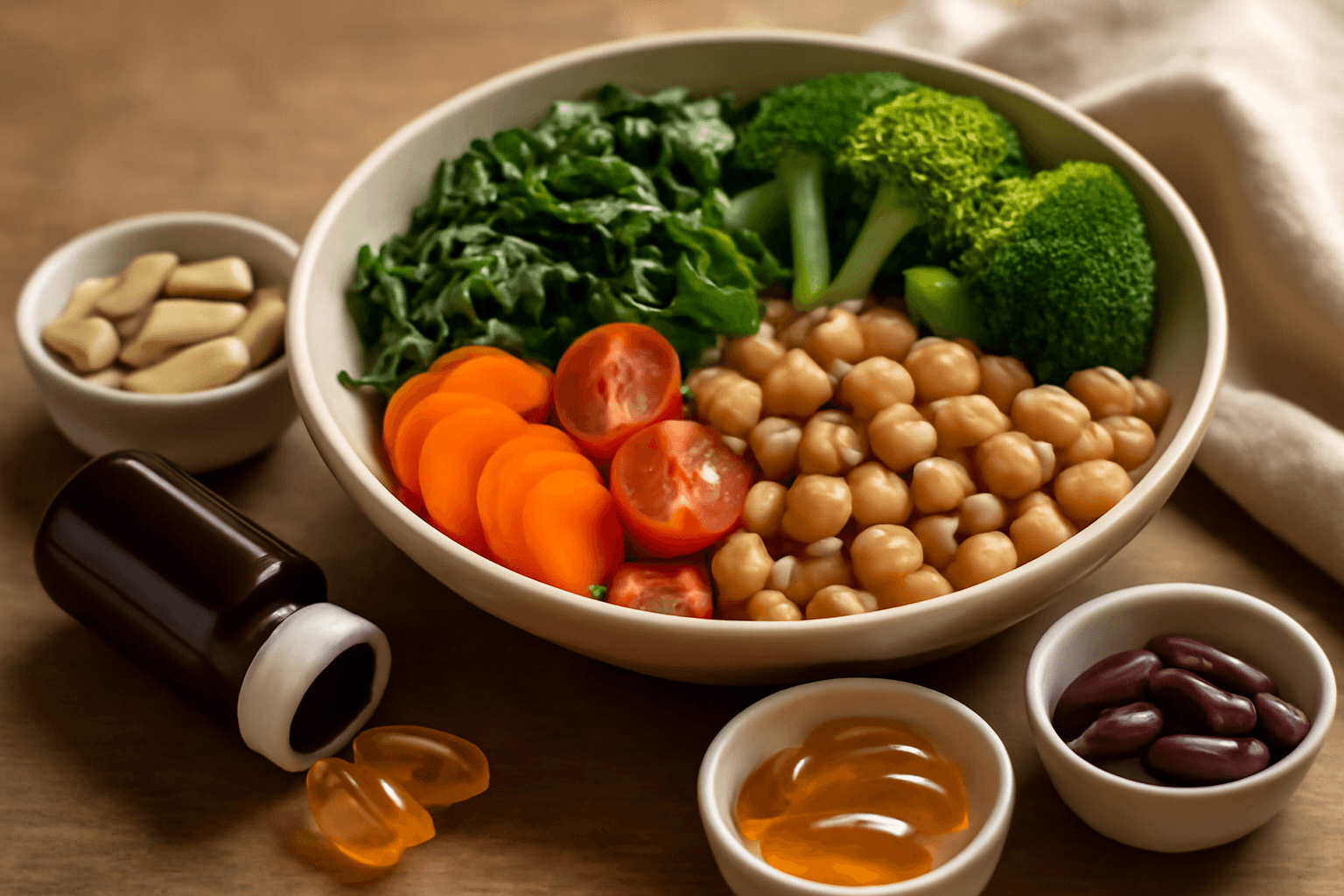
The foundation of a balanced vegetarian diet is variety. You should consume at least five different colored vegetables and fruits daily. Ingredients in red (tomatoes, bell peppers), orange (carrots, pumpkin), yellow (corn, bananas), green (broccoli, kale), and black (black beans, blueberries) each have different nutrient profiles.
Protein intake is the greatest challenge for vegetarians. Daily protein needs are 0.8-1.0g per kilogram of body weight, and active individuals need 1.2-1.6g. To meet this requirement, various plant-based protein sources should be utilized. One cup of cooked lentils provides 18g of protein, 100g of tempeh provides 19g, and 200g of tofu contains approximately 15g of protein. These ingredients should be included in your daily diet, and combining different plant-based proteins to create "complete proteins" is efficient. Examples include rice and bean combinations and whole grain bread with nut butter combinations.
For energy intake, focus on complex carbohydrates. Choose whole grains (brown rice, oats, quinoa, buckwheat) instead of refined carbohydrates. Whole grains contain 3-5 times more B vitamins than refined grains and are rich in magnesium and iron. It's recommended to consume whole grain products as your staple at least 3-4 times per week.
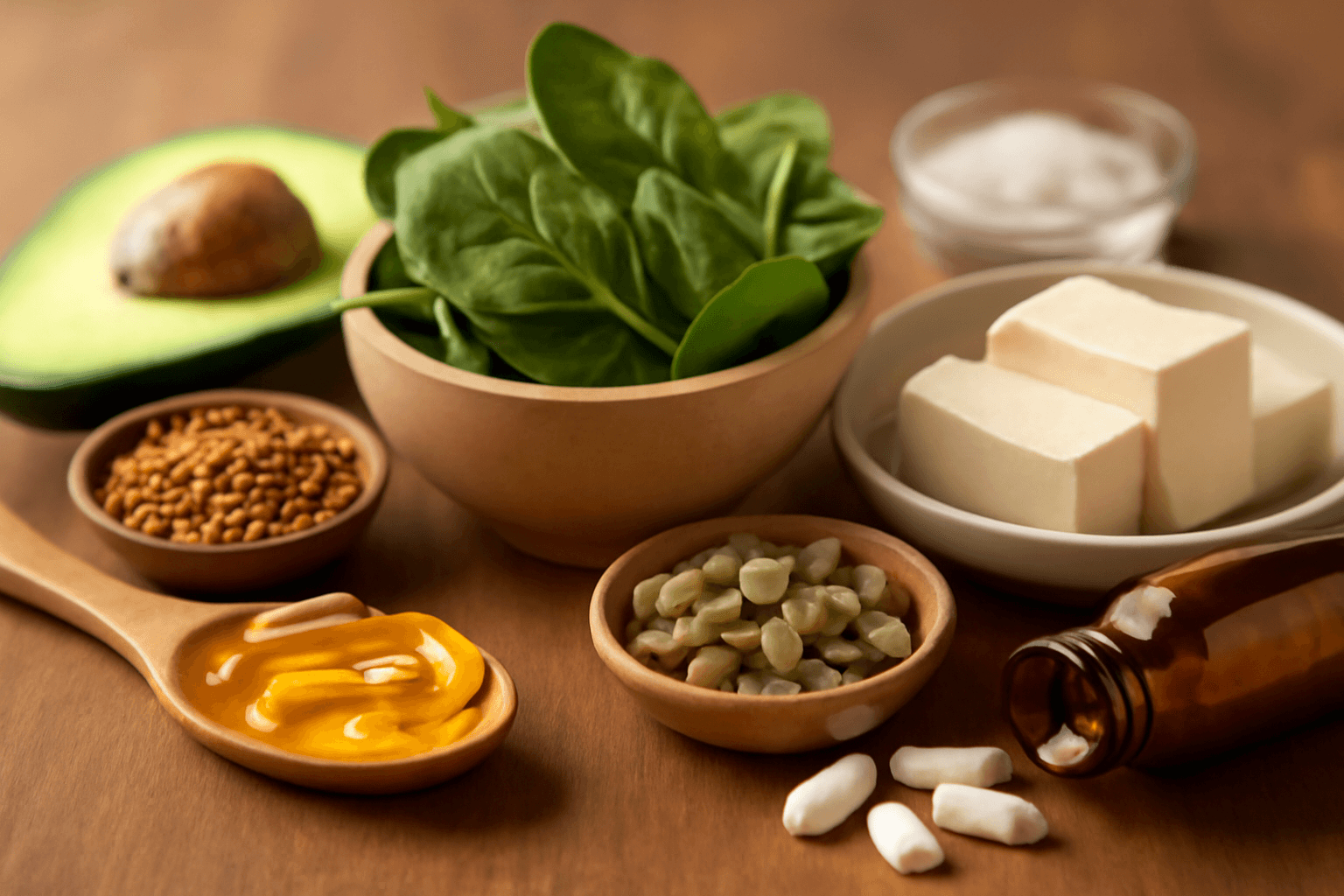
Healthy fat intake is also essential. Nuts (6g fat per 23g almonds), seeds (3g alpha-linolenic acid per tablespoon of flaxseed), and avocados (15g fat per fruit) provide unsaturated fats for heart health. These support brain health, hormone production, and absorption of fat-soluble vitamins. Make it a habit to consume a handful (approximately 30g) of nuts or 2 tablespoons of seeds daily.
Four Essential Supplements for Vegetarians
Even a perfect vegetarian diet cannot completely fulfill certain nutrients. Without animal products, some nutrients are naturally deficient, and the bioavailability of certain nutrients in plant foods is low. Therefore, strategic supplement use under medical professional guidance is necessary. The following four nutrients are essential ones that vegetarians must manage especially carefully.
1. Vitamin B12
Vitamin B12 is essential for nervous system function, red blood cell formation, and DNA synthesis. The daily requirement for adults is 2.4 micrograms, but B12 is found naturally only in animal products. Plant-based foods contain trace amounts of B12 in fermented soy products (tempeh, miso) and some seaweed, but the bioavailability is extremely low and cannot be relied upon solely.
B12 deficiency leads to pernicious anemia, nerve damage, and reduced cognitive function. Special attention is needed, particularly for adults over 40 and children. Vegetarians must choose one of three methods. First, consume B12-fortified foods (fortified soy milk, fortified cereals, fortified nutritional yeast) daily, and check product labels to understand actual content. Second, consume B12-fortified foods in adequate amounts 2-3 times per week or more, or third, take a B12 supplement.
Methylcobalamin or cyanocobalamin forms are recommended when choosing supplements. A dose of 25-100 micrograms daily (tablet form) is appropriate, and taking 2000 micrograms once weekly is also effective. Some vegetarians choose B12 injections (1000 micrograms every three months). It's important to monitor B12 levels through regular blood tests. If serum B12 levels fall below 200pg/mL, increased supplement dosage or injection therapy should be considered.
2. Iron
Iron is essential for oxygen transport and energy production. Unlike heme iron from animal products (bioavailability 15-35%), non-heme iron from plant foods (bioavailability 2-20%) has much lower absorption efficiency. Daily iron requirements are 18mg for adult women and 8mg for men and postmenopausal women.
Practical strategies for increasing iron intake for vegetarians are as follows. First, consume plant-based iron-rich foods daily. One cup of lentils contains 6.6mg, one cup of cooked spinach contains 6.4mg, 100g of tofu contains 2.7mg, and one cup of white beans contains 3.9mg of iron. Second, consume them with vitamin C to promote iron absorption. Adding orange juice, bell peppers, or tomatoes to iron-rich meals increases iron absorption 3-4 times.
Third, avoid substances that interfere with iron absorption. Tannins and polyphenols in tea, coffee, and chocolate inhibit iron absorption. It's best to avoid these beverages one hour before and after iron-rich meals. Calcium supplements also interfere with iron absorption, so take them at different times.
Iron status should be monitored through regular blood tests (ferritin, serum iron, TIBC, transferrin saturation). If ferritin levels fall below 15ng/mL, consider taking iron supplements. A typical dose is 18-27mg of iron daily. Excessive supplementation can cause oxidative stress from iron overload, so it should be done under medical professional guidance.
3. Vitamin D and Calcium
Vitamin D regulates calcium absorption and is essential for bone health, immunity, and mental health. The daily requirement is 600-800 IU, but some vegetarians may be deficient. Vitamin D is primarily found in fortified milk and fish oil, though some fortified soy milk contains vitamin D. However, sun exposure is the most stable source. Three to four times per week, exposure to sunlight near noon for approximately 10-30 minutes is sufficient (varies depending on skin tone).
In seasons or regions with insufficient sunlight, supplements are essential. Vegan vegetarians can choose vitamin D2 (ergocalciferol, plant-derived) or D3 (plant-derived D3 is now extracted from lichen). The recommended dose is 600-2000 IU/day.
Calcium is essential for bone health and nerve function. The daily requirement for adults is 1000-1200mg. Lacto-vegetarians can obtain sufficient amounts from dairy products, but vegans must rely on fortified beverages (soy milk, oat beverages), leafy greens (kale, broccoli), sesame seeds, and tofu (products made with calcium coagulant). One cup of fortified soy milk provides approximately 300mg of calcium. If insufficient, consider calcium supplements (500-600mg daily, divided into two doses).
4. Iodine, Zinc, and Omega-3
Iodine is essential for thyroid hormone production. The daily requirement is 150 micrograms, but aside from seaweed, few plants contain iodine. Rather than seaweed, which has extremely unstable iodine content, using iodized salt or taking iodine supplements (75-150 micrograms daily) is more stable.
Zinc is essential for immunity, wound healing, and protein synthesis. Daily requirements are 8mg for women and 11mg for men. Zinc in plant foods is bound to phytates, hindering absorption. Lentils, pumpkin seeds, cashews, and sunflower seeds are good plant-based sources. When meal planning, include zinc-fortified cereals or consume fermented foods (fermented beans, tempeh) to increase bioavailability. If necessary, take zinc supplements (8-11mg daily).
Omega-3 fatty acids are important for brain health and anti-inflammatory effects. ALA (alpha-linolenic acid) is abundant in plant foods (flaxseed, chia seeds, walnuts), but conversion efficiency to EPA and DHA is low. Pescatarians can obtain sufficient amounts from fish, but vegetarians should consider taking algae-derived omega-3 supplements (200-300mg EPA+DHA daily).
Summary
When properly planned, vegetarianism is a healthy lifestyle for all ages. It reduces the risk of cardiovascular disease, type 2 diabetes, and certain cancers, and improves weight management and gut health. However, careful meal planning and strategic supplement use are essential to avoid nutrient deficiencies.
Key points vegetarians must manage:
- Vitamin B12: Animal products are the only natural source. Fortified foods or supplements are essential. Regular blood tests recommended.
- Iron: Low bioavailability of plant-based iron. Consume with vitamin C to enhance absorption. Take supplements if necessary.
- Vitamin D and Calcium: Partially addressed through sun exposure and fortified foods, but supplements are essential in areas with insufficient sunlight.
- Iodine, Zinc, and Omega-3: Stable intake needed through specific food choices and supplements.
- Variety and Combination: Consume complete proteins by combining different plant-based proteins. Diversify nutrition with colorful ingredients.
- Professional Consultation: Consult with a nutritionist or medical professional when transitioning to and periodically during a vegetarian diet to establish a personalized plan.
Vegetarianism is a healthy choice, but unplanned vegetarianism can lead to nutritional deficiencies. Consult with a medical professional or registered dietitian before changing your diet, and monitor your nutritional status through regular blood tests.
If you're beginning a vegetarian diet or currently practicing vegetarianism, follow the guidelines in this article to create a nutritionally complete diet. More vegetarians than expected unknowingly suffer from specific nutrient deficiencies. Through periodic nutritional assessments and appropriate supplement use, you can enjoy all the benefits of vegetarianism while maintaining your health.