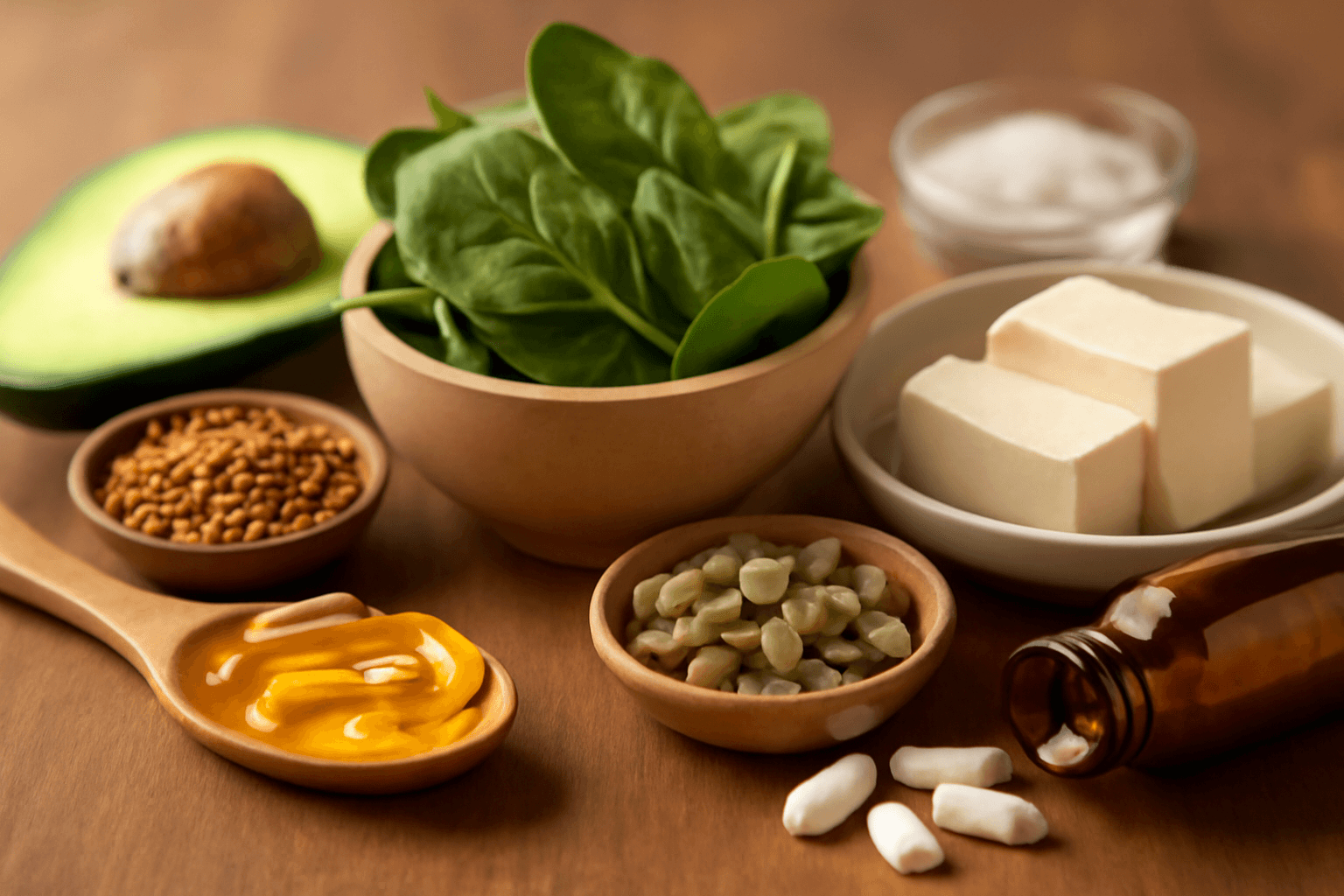
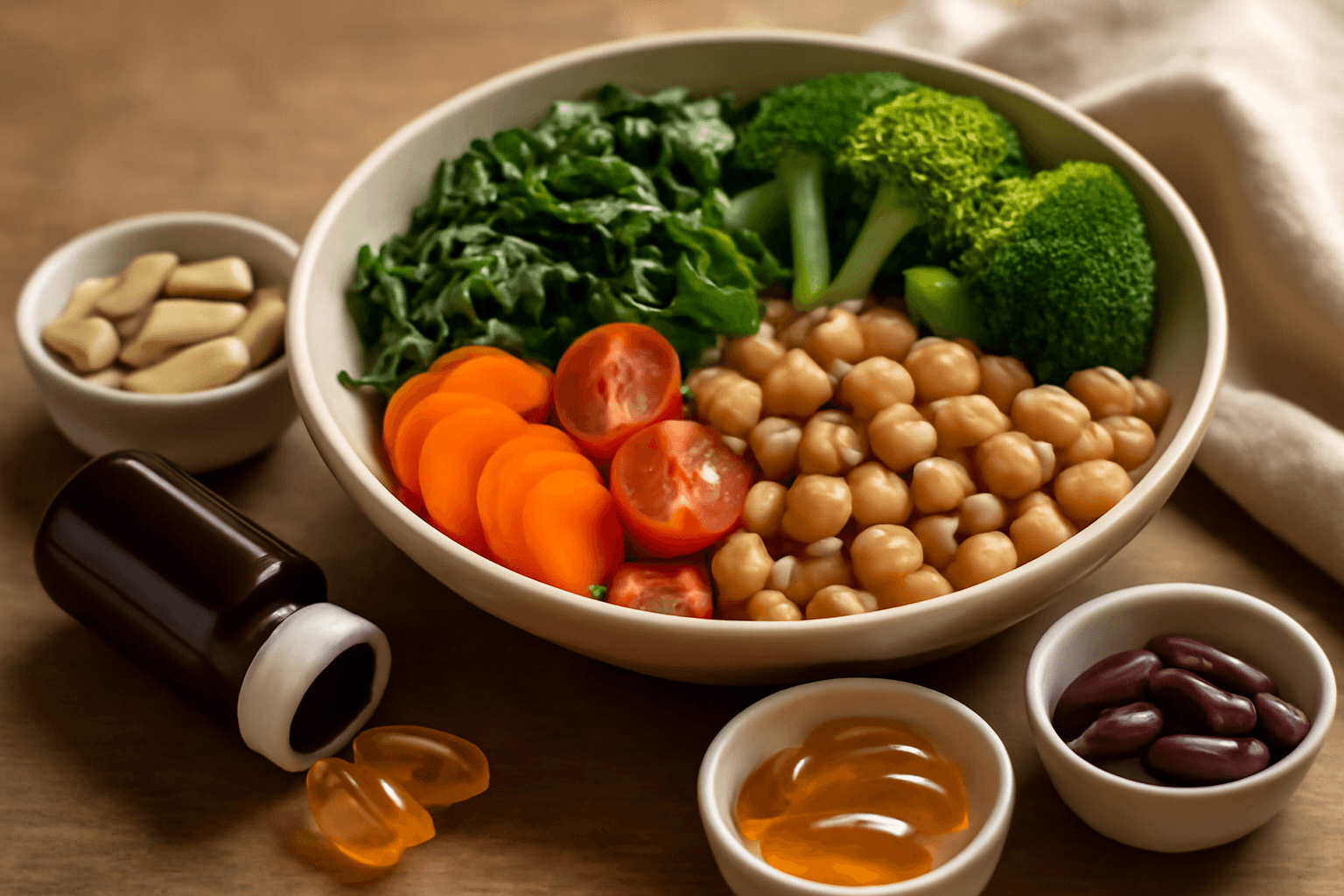
A vegan diet is a way of eating that completely excludes animal products and consists solely of plant-based foods. Beyond environmental protection and animal welfare, this dietary approach offers significant health benefits to humans. However, without proper nutritional management, there is a risk of deficiencies in essential nutrients such as protein, vitamin B12, iron, zinc, and iodine. This article provides practical information on the health benefits of a vegan diet, how to properly structure your diet, and essential supplements.
What is a Vegan Diet?
A vegan diet excludes all animal products including meat, fish, eggs, milk, cheese, and honey, and consists only of plant-based foods such as vegetables, fruits, grains, legumes, nuts, and seeds. Unlike a vegetarian diet, it also excludes eggs and dairy products.
The history of veganism began in Britain in 1944 and was initially based on ethical beliefs. However, in modern times, an increasing number of people practice veganism for various reasons including environmental sustainability, health benefits, and animal welfare. Approximately 6-8% of the global population follows a vegan diet, and this number continues to grow.
A vegan diet is not simply a restrictive way of eating. A properly planned vegan diet is nutritionally complete and effective for disease prevention. The Academy of Nutrition and Dietetics has also officially stated that a well-planned vegan diet is healthy and appropriate at all stages of life.
Health Benefits of a Vegan Diet
Improved Cardiovascular Health
A vegan diet is low in saturated fat and cholesterol, significantly reducing the risk of cardiovascular disease. Research shows that vegans have a heart disease incidence rate approximately 40% lower than meat-eaters. Dietary fiber abundant in plant-based foods is effective at lowering LDL cholesterol and regulating blood pressure.
Improved Blood Sugar Management
A vegan diet has a low glycemic index and is rich in dietary fiber, reducing the risk of developing diabetes by approximately 55%. Complex carbohydrates found in whole grains, legumes, and vegetables cause blood sugar to rise slowly, improving insulin resistance.
Weight Management
People following a vegan diet generally maintain a lower body mass index (BMI). Plant-based foods have low caloric density while providing high satiety, making natural weight loss possible. One kilogram of vegetables contains approximately three times fewer calories than one kilogram of meat.
Antioxidants and Immunity
A vegan diet provides abundant antioxidants (polyphenols, anthocyanins, beta-carotene) from plant-based foods. These substances prevent cellular damage and strengthen the immune system, contributing to the prevention of infectious diseases and chronic conditions. Additionally, they promote the growth of beneficial bacteria in the intestines, improving gut health.
Reduced Cancer Risk
Multiple large-scale epidemiological studies have shown that a vegan diet reduces the incidence of certain cancers (colorectal, breast, and prostate cancer) by 10-15%. The cancer-preventive effect of dietary fiber is key.
Does the Type of Plant-Based Food Matter?
Not all vegan foods provide equal nutritional value. Processed vegan foods such as chocolate vegan cookies or French fries alone cannot provide sufficient nutrition.
Complete and Incomplete Proteins
Complete plant proteins (containing all nine essential amino acids) are limited and include quinoa, soybeans, hemp seeds, and spirulina. Common vegetables and grains contain incomplete proteins, so you must combine various foods to consume them. For example, eating rice and beans together, or wheat and lentils, provides a complete amino acid profile.
Processed vs. Whole Grain Foods
Foods made from white rice and refined flour have a high glycemic index and low nutritional value. Choosing whole grain foods such as brown rice, oats, whole wheat flour, and sorghum significantly improves blood sugar management and satiety. Research shows that whole grain consumption reduces heart disease risk by approximately 20%.
Color Variety Strategy
Alternating consumption of red (tomatoes, red peppers), orange/yellow (carrots, squash), green (broccoli, spinach), and purple (purple corn, black beans) foods ensures diverse phytonutrients and trace minerals. These foods serve antioxidant functions as natural pigments.
Guidelines for a Healthy Vegan Diet
Daily Intake by Basic Food Categories
- Grains (6 ounces/approximately 170g daily): At least half should be whole grains. Brown rice, oats, whole wheat bread, and sorghum are recommended
- Vegetables (2.5-3 cups daily): Dark leafy greens (broccoli, kale, spinach) three or more times per week; orange vegetables (carrots, sweet potatoes) one to two times per week or more
- Fruits (1.5-2 cups daily): Fresh fruits preferred; dried fruits with portion control (3 figs = 1/4 cup)
- Protein Sources (5-6 ounces/approximately 140-170g daily): Combine 1 cup cooked legumes, 1/2 cup tofu, 2 tablespoons nut butter, and 1/4 cup seeds
- Healthy Fats: 2-3 tablespoons olive oil, a handful of nuts, 1/3 avocado
Strategy for Adequate Protein Intake
On a vegan diet, maintaining energy and muscle mass requires 1.2-1.6 grams of protein per kilogram of body weight daily (higher than the general recommendation of 0.8g). This can be achieved by combining various protein sources. Distribute intake throughout the day—for example, oatmeal with soy milk and nuts for breakfast, lentil soup for lunch, and tofu stir-fry for dinner—for optimal results.
Optimizing Iron Absorption
Iron in a vegan diet is non-heme iron with an absorption rate of approximately 10-20% that of meat. To increase absorption, consume iron-rich foods (spinach, lentils, black beans) together with vitamin C-rich foods (oranges, peppers, tomatoes). Conversely, tea and coffee inhibit iron absorption, so consume them two hours after meals.
Ensuring Iodine Intake
Vegans who do not consume seafood are at risk of iodine deficiency. Iodine is essential for thyroid hormone production and metabolism. One-quarter teaspoon of iodized salt meets daily requirements (150mcg), but if salt restriction is necessary, consume seaweed such as nori or kombu (one to two times per week) or cranberries.
Essential Supplements for a Vegan Diet
Even with a well-planned vegan diet, some nutrients are difficult to obtain in sufficient quantities from food alone. The following supplements are recommended to be taken after consulting with a healthcare professional.
Vitamin D
The risk of vitamin D deficiency is high in areas with insufficient sunlight or during certain seasons. A daily supplement of 1,000-2,000 IU of vitamin D2 (plant-based) or D3 (algae-derived) is recommended. Vitamin D is essential for calcium absorption and important for immune function and bone health.
Zinc
Zinc in plant-based foods has low absorption rates due to phytates. A daily supplement of 8-11mg zinc or consumption of sprouted grains and fermented foods is helpful. Zinc is essential for immunity, wound healing, and protein synthesis.
Calcium
A daily intake of 1,000-1,200mg of calcium is needed. This can be met by three glasses of calcium-fortified milk alternatives (soy milk, oat milk), three cups of kale, or half a cup of tofu made with a calcium coagulant. Take with vitamin D to increase absorption.
Omega-3 Fatty Acids
ALA-form omega-3 found in flaxseeds, chia seeds, and walnuts is converted to EPA and DHA in the body with low efficiency (approximately 5-15%). Therefore, a daily supplement of 1,000mg EPA/DHA or 200-300mg of microalgae (chlorella)-based supplement is recommended. Omega-3 is important for brain health and cardiovascular function.
Vitamin B12: The Top Priority for a Vegan Diet
Vitamin B12 is the only nutrient with a high risk of deficiency in a vegan diet. B12 is essential for nerve function, DNA synthesis, and red blood cell formation, and deficiency can lead to pernicious anemia, nerve damage, and cognitive decline.
The Danger of B12 Deficiency
Plant-based foods contain almost no B12. Some nutritionists claim that seaweed or nutritional yeast contain B12, but this is either not in a form (cobalamin) the body can use or present in negligible amounts. Approximately 40-60% of vegans are deficient or insufficient in B12.
B12 Supplementation Methods
- Oral Supplements (recommended): Take 25-100mcg daily or 2,000mcg twice weekly. Available over-the-counter at affordable prices
- B12-Fortified Foods: Certain vegan milk alternatives, nutritional yeast (verify from a trusted manufacturer), and plant-based meat alternatives
- Injections: Monthly 1,000mcg intramuscular injections if there are absorption issues
Monitoring B12 Status
It is advisable to check B12 levels (normal range 200-900 pg/mL) via blood test every two years. After three years on a vegan diet, B12 supplementation is essential. Body stores typically take 3-5 years to become depleted.
Summary: Key Points of a Vegan Diet
Benefits of a Vegan Diet: Multiple health benefits have been proven, including improved cardiovascular health, blood sugar management, weight loss, increased antioxidant intake, and cancer prevention.
Proper Diet Structure: It is not simply about removing animal products but intentionally choosing a variety of foods. Combine whole grains, legumes, nuts, and vegetables and fruits of various colors to ensure a complete nutritional profile.
Essential Supplements: Supplementation with B12 (essential), vitamin D, zinc, calcium, and omega-3 is strongly recommended. Particularly B12 cannot be obtained in sufficient quantities from food alone and must be supplemented.
Nutrient-Specific Strategies: Consume iron with vitamin C, obtain iodine from seaweed or iodized salt, and distribute protein intake throughout the day from various sources.
Consult Healthcare Professionals: If you are considering transitioning to a vegan diet or already practicing one, it is important to consult with a registered dietitian or healthcare professional to develop a diet plan tailored to your individual health status and nutritional needs. Professional guidance is especially essential for pregnant women, nursing mothers, children, and those with chronic conditions.