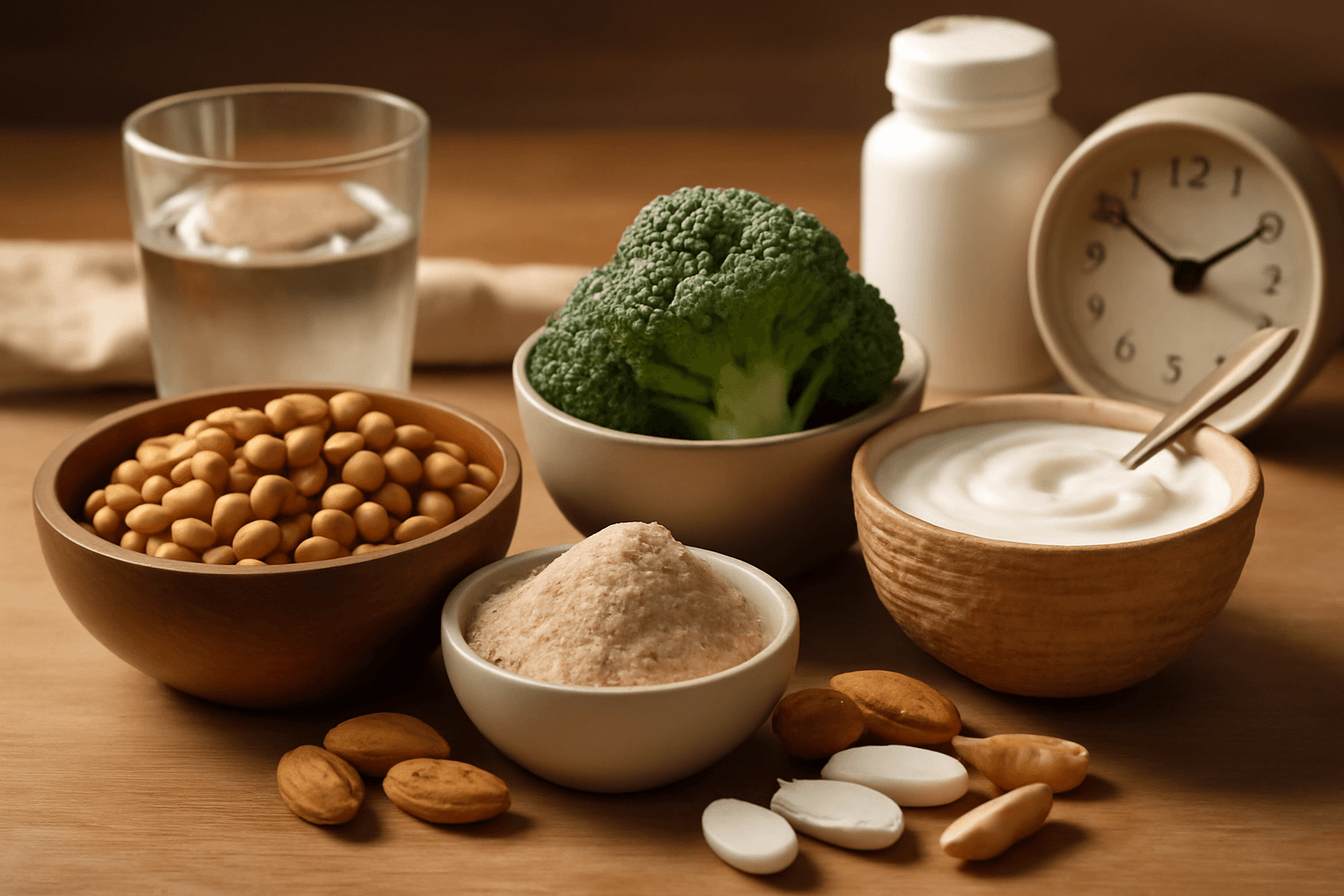
Constipation is a common digestive health issue experienced by modern adults that goes beyond simple discomfort, affecting overall health through reduced energy levels, increased stress, poor sleep quality, and more. It arises from various causes including intestinal microbiota imbalance, insufficient hydration, dietary fiber deficiency, and hormonal changes, and can be naturally improved through appropriate food choices and lifestyle modifications. This article identifies the causes and symptoms of constipation, introduces practical solutions recommended by nutritionists, and presents 9 effective foods for constipation relief.
Common Causes of Constipation
The primary causes of constipation stem from diet and lifestyle habits. Insufficient dietary fiber intake is the most common cause, with the average fiber consumption among modern adults at 20g or less daily, significantly lower than the recommended 25-35g. This reduction in fiber leads to decreased stool volume and weakened intestinal motility.
Inadequate water intake also has a direct impact. Failure to drink 6-8 glasses of water daily results in hardened stools that are difficult to pass. Excessive consumption of caffeinated beverages is particularly problematic, as diuretic effects cause loss of body fluids.
Hormonal imbalance is another significant factor. In women, progesterone level fluctuations throughout the menstrual cycle reduce intestinal muscle contractions, while hypothyroidism slows metabolism and impairs intestinal motility. Stress and irregular sleep patterns affect the gut-brain axis, worsening digestive function.
A sedentary lifestyle resulting in physical inactivity also diminishes intestinal peristalsis. Regular exercise promotes natural muscle contractions in the intestines, and lack of exercise inhibits this process.
Common Symptoms of Constipation
Symptoms of acute and chronic constipation vary widely. The most basic symptom is reduced bowel movement frequency, with fewer than 3 bowel movements per week defining constipation. Bowel movements require excessive straining, and stools are characteristically hard and lumpy.
Abdominal discomfort is a hallmark symptom of constipation, accompanied by bloating, abdominal stiffness, and sometimes mild abdominal pain. This discomfort reduces energy levels and diminishes quality of life.
Psychological effects cannot be overlooked. Patients with chronic constipation tend to experience fatigue, stress, and even depression. Delayed fatigue recovery from intestinal toxin accumulation, reduced sleep quality, and decreased concentration are common manifestations.
Additional symptoms may include a feeling of incomplete evacuation after bowel movements, anal discomfort, and rectal pain. If these symptoms persist for more than two weeks, professional medical evaluation is necessary.
What is the Bristol Stool Scale?
The Bristol Stool Scale is a medical tool developed in 1997 by Dr. Stephen Lewis of the University of Bristol for classifying stool form. The scale scientifically categorizes stool consistency from types 1 to 7, allowing for quick assessment of digestive health status.
The scale's classifications are as follows. Types 1-2 indicate constipation, characterized by hard, cracked stools. Types 3-4 represent the normal range with soft, easily passed stools. Types 5-6 indicate excess moisture, while type 7 is diarrhea.
Constipation diagnosis typically involves types 1-2 or irregular fluctuations between types 3-4. This scale facilitates communication between healthcare professionals and patients, and enables objective tracking of the effects of dietary and lifestyle improvements. Regularly monitoring your stool form is an efficient method of evaluating treatment effectiveness.
Methods for Diagnosing Constipation
Constipation diagnosis begins with medical history and symptom assessment. Healthcare professionals inquire in detail about bowel movement frequency, stool form, abdominal symptoms, and symptom duration. The Rome IV Criteria is the medically recognized standard, diagnosing chronic constipation when symptoms began within the past three months and have persisted for at least three months.
Physical examination includes assessing abdominal bloating, pain, and anal area condition. When necessary, a digital rectal examination is performed to evaluate anal sphincter tone and stool accumulation.
Severe cases may require additional testing. Colonoscopy is performed to exclude underlying conditions such as colorectal cancer or inflammatory bowel disease. It is particularly recommended for those 50 and older or those with bloody stools, weight loss, or family history. Defecography is used when straining is severe to assess pelvic muscle function.
Blood tests examine thyroid function, calcium levels, and glucose levels to determine hormonal imbalance or metabolic disease. Self-diagnosis alone is inaccurate, so professional consultation is essential if constipation symptoms persist for more than two weeks.
Treatment for Constipation
Constipation treatment follows a stepwise approach. The first step is lifestyle modification, which is typically the most effective in most cases. Regular exercise of at least 30 minutes daily (walking, swimming, yoga, etc.) stimulates intestinal peristalsis. Abdominal muscle exercises in particular increase abdominal pressure during bowel movements, facilitating evacuation.
Hydration is extremely important. Regularly drinking 8-10 glasses of water (approximately 2-2.5 liters) daily is fundamental, and drinking a warm glass of water immediately upon waking triggers the body's natural defecation reflex. Sleep also plays an important role; 7-9 hours of adequate sleep maintains hormonal balance, reduces stress, and normalizes digestive function.
Dietary adjustment is essential. Gradually increase dietary fiber intake to 25-35g daily, but avoid sudden increases as they can cause abdominal bloating; instead, increase gradually over 1-2 weeks. Avoid processed foods and prioritize whole grains, vegetables, fruits, and legumes.
Stress management is also essential. Meditation, deep breathing, and progressive muscle relaxation improve gut-brain axis function. Establishing a regular bowel movement time and allowing sufficient time for this process is important. Ignoring the urge to defecate or rushing worsens constipation.
Medication is considered when lifestyle modifications prove ineffective. Osmotic laxatives (polyethylene glycol, lactulose) increase intestinal water, while stool softeners soften stools. Stimulant laxatives (senna, bisacodyl) should be used short-term only, as long-term use can cause intestinal dependence. Probiotics correct intestinal microbiota imbalance and improve digestive health.
9 Natural Foods That Relieve Constipation
1. Flaxseeds
Flaxseeds are an excellent source of dietary fiber and omega-3 fatty acids. Two tablespoons (approximately 14g) of flaxseeds contain 3.5g of dietary fiber, equivalent to about 14% of the recommended daily amount. Flaxseeds are special in that they contain both soluble and insoluble dietary fiber, increasing stool volume while maintaining softness. Consume 1-2 tablespoons daily with water or mixed into yogurt.
2. Watermelon and Melon
Watermelon and melon are high-water foods containing more than 90% water content. They increase intestinal moisture and soften stools, while their natural sugars create an osmotic effect that promotes intestinal peristalsis. Their magnesium content also aids muscle relaxation, facilitating bowel movements. Regular consumption during summer is particularly effective, with fresh fruit providing the highest potency.
3. Pear
Pear is one of the most effective fruits for constipation relief. One medium pear contains 5.5g of dietary fiber, and particularly benefits from the osmotic effect of natural sugars like fructose and sorbitol. According to research, a group consuming 2-3 pears daily showed similar bowel improvement to those taking laxatives. Eating the skin with the fruit provides higher fiber content, so select organic pears, wash thoroughly, and consume with the skin intact.
4. Kiwifruit
Kiwifruit contains a special proteolytic enzyme called actinidin that promotes digestion. Two medium kiwifruit provide approximately 5g of dietary fiber, and combined with high water content and intestinal-stimulating compounds are abundant. Research showed that patients consuming 2 kiwifruit daily for four weeks experienced increased bowel movement frequency and improved stool form. It is effective consumed on an empty stomach in the morning or added to yogurt.
5. Olive Oil
Olive oil facilitates lubrication of the small and large intestines and eases stool evacuation. Extra virgin olive oil contains oleocanhal, an anti-inflammatory compound that improves intestinal health. Consume one spoonful (approximately 15ml) of olive oil on an empty stomach in the morning, or mix it into warm water with lemon juice. Excessive consumption can trigger abdominal cramping, so appropriate amounts are important.
6. Brussels Sprouts
Brussels sprouts contain 3.3g of dietary fiber per cup, making them a cruciferous vegetable rich in comprehensive intestinal support. They are abundant in antioxidants such as vitamin C, vitamin K, and sulforaphane. They also contain prebiotic compounds that serve as food for beneficial intestinal bacteria, improving microbial balance. Steamed or lightly roasted brussels sprouts are more easily digestible, though overconsumption may increase abdominal gas, so moderate intake is recommended.
7. Barley & Oats
Barley and oats are rich sources of a special soluble dietary fiber called beta-glucan. This compound adds moisture to stools and promotes the proliferation of healthy intestinal bacteria. One daily bowl of oatmeal or barley porridge significantly alleviates constipation symptoms. It is important to soak them sufficiently in water before consumption, and gradually increase intake to aid digestive system adaptation.
8. Yam & Sweet Potato
Yams and sweet potatoes contain approximately 3-4g of dietary fiber per medium serving, particularly rich in resistant starch from stored polysaccharides. This resistant starch is not digested in the small intestine but reaches the colon where it promotes beneficial bacteria proliferation. This leads not only to short-term bowel improvement but also long-term intestinal health and increased microbial diversity. Consume with the skin intact or steamed to obtain maximum nutritional value.
9. Kefir & Yogurt
Kefir and yogurt are rich sources of diverse probiotic bacteria (Lactobacillus, Bifidobacterium, etc.). These beneficial microorganisms correct intestinal dysbiosis and stimulate intestinal peristalsis. Lactobacillus that does not digest lactose breaks down lactose in the intestines, creating an osmotic effect that promotes bowel movements. Kefir in particular contains more diverse microbial species than yogurt, making it more effective for constipation relief. Select unsweetened products and consume approximately 150-200ml daily.
Summary
Constipation is more than a simple digestive problem—it is a signal affecting overall health including energy, sleep, stress, and fatigue recovery. Since constipation has diverse causes including insufficient dietary fiber, inadequate hydration, hormonal imbalance (particularly thyroid function), stress, and lack of physical activity, fundamental lifestyle modifications are more important than relying solely on laxatives.
The key elements of effective constipation treatment are as follows:
- Gradual intake of 25-35g of dietary fiber daily
- Adequate hydration (8-10 glasses of water)
- Regular exercise and physical activity
- Sufficient sleep (7-9 hours) to maintain hormonal balance
- Stress management and meditation
- Probiotic food consumption for improved intestinal microbiota health
The 9 natural foods introduced in this article (flaxseeds, watermelon, pear, kiwifruit, olive oil, brussels sprouts, barley, sweet potato, and kefir) have scientifically proven constipation relief effects and are mostly free of side effects, making them suitable for long-term consumption. These foods not only facilitate bowel movements but also positively impact intestinal health, energy level improvement, and stress reduction.
Important caution: If constipation persists for more than two weeks, or is accompanied by symptoms such as bloody stools, abdominal pain, or weight loss, medical evaluation by a gastroenterologist is essential. Those with thyroid disease or other metabolic conditions should consult healthcare professionals before beginning new dietary regimens.
Constipation improvement does not happen overnight. True recovery of a healthy digestive system and overall physical health occurs only when consistent lifestyle modifications, correct dietary choices, adequate sleep, and regular exercise are implemented together.