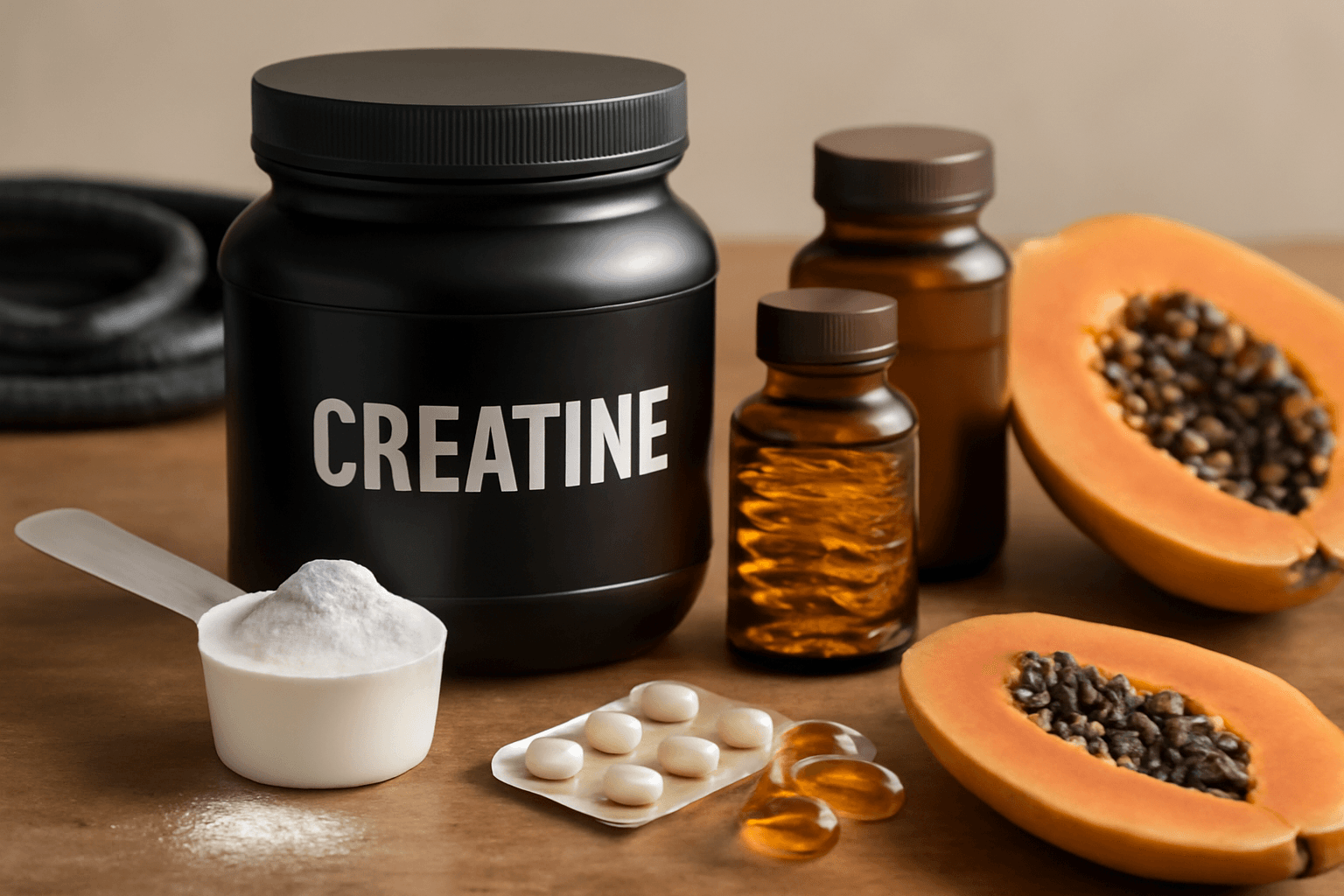
Sports supplements are products designed to enhance athletic performance and aid in physical recovery. As of 2023, it's important to understand which supplements have the strongest scientific backing. This article introduces the top ergogenic aids, including creatine, nitrates, and protein, and provides specific information on the effectiveness, dosage, and selection criteria for each supplement. By choosing the right supplements for your fitness goals, you can maximize your training efficiency.
About Sports Supplements
Although sports supplements are classified as general food products, they are treated as essential nutritional aids among athletes and fitness enthusiasts. According to the International Society of Sports Nutrition (ISSN), appropriate supplement use can contribute to increased muscle strength, improved endurance, and reduced recovery time. However, supplements should only be considered after establishing a solid foundation of proper nutrition and a training program.
Hundreds of new supplements enter the market each year, but not all possess the same level of scientific evidence. Some products have only marketing claims with no proven efficacy. Therefore, it's important to check clinical research results and safety assessments before purchasing. Especially for athletes subject to drug testing, you must verify whether the product contains banned substances.
As exercise intensity increases, nutritional needs rise accordingly. For those training at high intensity 5-7 times per week, supplements can be more effective. On the other hand, if you're exercising lightly 2-3 times per week, a balanced diet alone is often sufficient.
What Are Sports Supplements and How Should You Choose Them?
Sports supplements are substances that directly improve athletic performance or accelerate recovery from training-induced physical stress. Unlike medications, they're classified as nutritional supplements and subject to looser regulation. However, when selecting products from reputable manufacturers, you should verify third-party testing certifications. For example, look for verification marks from organizations like NSF Certified for Sport, Informed-Sport, or Labdoor for added safety.
When selecting supplements, first clarify your fitness goals. If you want to build strength, protein and creatine are suitable; for improved endurance, carbohydrates and caffeine are appropriate; and for accelerated recovery, BCAAs and glutamine are recommended. It's also important to analyze your diet to identify what nutrients you actually lack. For example, calcium supplements may be unnecessary for those consuming adequate dairy products.
Cost-effectiveness is also worth considering. Even among supplements with proven efficacy, prices vary widely. The same ingredients and dosage can differ in price by 2-3 times depending on the brand. Multinational company products aren't always superior; smaller manufacturers also produce high-quality products. Read ingredient labels carefully and choose products with minimal additives.
Finally, you must check for side effects and interactions. Especially if you have underlying conditions or are taking medications, it's safer to consult a doctor or pharmacist before taking supplements. Women who are pregnant or breastfeeding, and minors should not take supplements without professional guidance.
The Best Ergogenic Aids in 2023
Ergogenic aids are substances that directly improve athletic ability. They can include coffee, drugs, supplements, technology, and even psychological interventions. The supplements most extensively researched in sports science have strong evidence based on scientific consensus.
The International Society of Sports Nutrition annually publishes supplement effectiveness ratings based on the latest research. Supplements classified as Grade A (effective) have sufficient clinical research demonstrating performance improvements in specific populations. Conversely, Grade B (limited evidence) and lower-rated products remain difficult to conclude about.
As of 2023, major supplements receiving Grade A ratings include creatine monohydrate, caffeine, beta-alanine, nitrates (beet juice), and protein powder. These have been confirmed through hundreds of studies to be actually effective for specific exercise types and goals. However, individual differences are significant, so not everyone will achieve the same level of benefit. On average, a 2-3% performance improvement is expected, which is quite important even for elite athletes.
1. Creatine Monohydrate
Creatine is the most extensively researched sports supplement over the past 30 years. Creatine monohydrate is the most cost-effective form with the best-proven efficacy. Our body uses creatine to rapidly resynthesizeATP (the energy molecule) when muscles consume ATP quickly during intense exercise. Through this process, you can extend the duration of high-intensity exercise.
Creatine's effectiveness is very clear. In a meta-analysis of people performing strength training, the creatine supplementation group achieved an average of 1.4kg additional strength gain compared to the placebo control group. In endurance exercise, a consistent 2-3% improvement in repeated sprint ability has been observed.
There are two dosing methods. First is the loading protocol: take 5g four times daily for 5-7 days, then maintain with 3-5g once daily. Second is the non-loading method: take 3-5g daily, with effects appearing in 3-4 weeks. Most research has shown that the non-loading method is also sufficiently effective, so from a cost-effectiveness standpoint, taking only the maintenance dose is preferable.
Side effects are minimal. Creatine has passed decades of safety research, with almost no reports of serious adverse effects in healthy adults. However, you may experience 2-3kg of weight gain initially, which is due to water retention in muscles. If you have kidney disease, consult your doctor before use. Adequate water intake (3-4 liters daily) is also important.
Creatine monohydrate is the least expensive. Quality products typically cost 5,000-10,000 won per month, much cheaper than other creatine forms (creatine ethyl ester, alpha-ketoisocaproate creatine, etc.) while maintaining equal effectiveness. It's often included in pre-workout products, so check your current supplements before purchasing it separately.
2. Nitrates
Nitrates are compounds primarily found abundantly in beet juice and cruciferous vegetables like spinach. Recently, they've gained attention in sports nutrition for improving endurance exercise performance. Nitrates are converted to nitric oxide in the body, which dilates blood vessels, improves oxygen transport efficiency, and enhances mitochondrial efficiency in muscles.
Nitrates' effectiveness for endurance exercise is clear. A 3-8% performance improvement has been reported in aerobic exercises like cycling, running, and swimming. They're particularly effective for periodic high-intensity exercise or interval training. However, they lack the same clear effects on strength training as creatine. Benefits are limited for anaerobic athletes (full-power sprints of 10 seconds or less).
The most economical approach is consuming concentrated beet juice directly. Drink 500ml of beet juice (containing approximately 12.8mmol of nitrates) 2-3 hours before exercise. Commercial supplements are more concentrated and sold in small shot form. Beet juice concentrate typically costs 10,000-20,000 won monthly. If endurance rather than strength training is your focus, it's worth considering.
Side effects are rare, but those with low blood pressure tendencies should be careful about blood pressure reduction. Extremely rarely, digestive discomfort or red urine may occur. If you're pregnant or taking certain medications (especially blood pressure medication), consult your doctor.
3. Protein
Protein supplements are the most widely used products in sports nutrition. Adequate protein is essential to repair muscle tissue damaged by strength training and synthesize new muscle mass. Protein powder is a convenient way to supplement protein intake through food.
Strength training athletes need 1.6-2.2g of protein daily per kilogram of body weight. For example, an 80kg athlete needs 128-176g of protein daily. This is more than twice the general recommendation (0.8g/kg). Since it's often difficult to obtain this amount from food alone—chicken breast, eggs, fish, yogurt, etc.—supplements play an important role.
There are three main types of protein supplements. First, whey protein is the most popular and characterized by rapid absorption. Its high BCAA and leucine content is excellent for stimulating muscle protein synthesis. Second, casein is slowly absorbed, supplying amino acids over an extended period. Taking it before bed aids nighttime recovery. Third, plant-based protein (pea, rice, soy) is an option for those with lactose intolerance or those following a vegetarian diet.
Protein supplement effectiveness is clear. People doing strength training with adequate protein intake gain an average of 0.3kg additional muscle mass compared to those without. This is based on a 12-week strength training program. While individual differences are significant, most studies show consistent results.
Selection considerations include the following. First, verify protein content—each scoop (approximately 30g) should contain at least 20-25g of protein. Second, check added sugar—good products contain 5g or less. Some products exceed 20g of sugar. Third, taste and mixability—since you'll drink it daily, taste matters. Fourth, ingredients—choose products with minimal unnecessary additives.
Prices typically range from 20,000-60,000 won monthly, determined by serving size (approximately 25-30g per serving). Popular brands aren't always the best, so it's more rational to select based on the ingredient label. Protein powder can be used immediately after exercise (within about an hour) when rapid absorption is beneficial, as a breakfast substitute, or as a convenient snack.
Summary
As of 2023, the sports supplements with the strongest scientific backing are creatine monohydrate, nitrates, and protein. Creatine improves strength and high-intensity exercise performance and can be used for just 5,000-10,000 won monthly with a daily intake of 3-5g. Nitrates (beet juice) are effective for endurance athletes, with proven 3-8% performance improvements. Protein supplements aid adequate protein intake and promote muscle mass gains.
Follow these principles when choosing supplements: ① Clearly identify your fitness goals and nutritional deficiencies, ② Verify third-party testing certifications (NSF, Informed-Sport, etc.), ③ Read ingredient labels carefully and avoid unnecessary additives, ④ Consult healthcare professionals if you have underlying conditions or are taking medications, ⑤ Prioritize a balanced diet and consistent training as your foundation.
Supplements are supplementary tools, not primary ones. No matter how good a supplement is, it cannot replace adequate sleep, appropriate training, and a balanced diet. All supplement intake is most effective when based on these three fundamentals. Especially for minors, pregnant women, and those with underlying medical conditions, please consult a doctor or pharmacist before taking supplements.