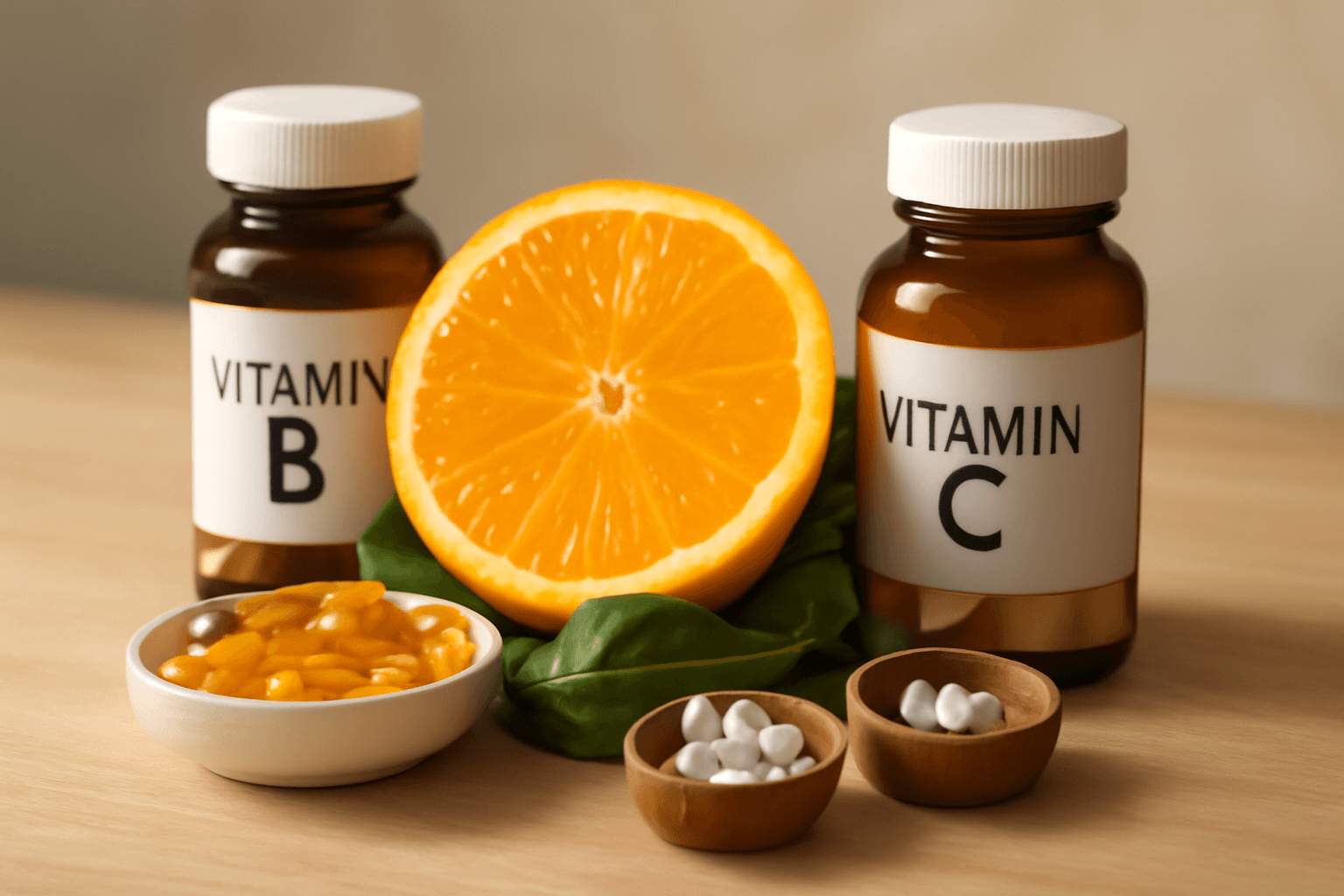
One of the most common concerns for modern individuals is decreased concentration and scattered attention. If you frequently find yourself thinking about other things during work or struggle to focus on studying, there's a high likelihood that you're lacking essential nutrients for brain function. To improve concentration and attention, you need more than just taking supplements—you need to secure basic nutrients, improve sleep quality, and supplement specific ingredients that directly impact brain health. This article introduces, based on scientific evidence, the supplements and nutrients essential for improving concentration, as well as practical intake methods.
Always prioritize basic nutrients first
Many people look for expensive premium supplements to boost concentration, but this is the wrong approach. For optimal brain function, you must first ensure sufficient basic micronutrients. Iron, iodine, zinc, and magnesium are essential minerals directly involved in brain neurotransmitter synthesis, energy production, and nerve protection.
Iodine is essential for thyroid hormone production, and a deficiency in this hormone significantly reduces cognitive function. According to the World Health Organization (WHO), iodine deficiency can reduce IQ by 5–15 points. The recommended daily intake for adults is 150 mcg, and it can be obtained through seaweed, kelp, eggs, and dairy products.
Iron is responsible for oxygen transport in red blood cells, and the brain is the organ that consumes the most oxygen in the body. Iron deficiency (particularly common in women) causes fatigue, decreased concentration, and impaired memory. Adult men need 8 mg of iron daily, while women need 18 mg. Heme iron-containing foods like red meat, oysters, and spinach have an absorption rate three times higher than plant-based iron.
Zinc is essential for nerve cell signaling and brain inflammation control. Deficiency can lead to attention deficit and learning disorders, with a recommended daily intake of 11 mg for adult men and 8 mg for women. It's abundant in oysters, beef, pumpkin seeds, and cheese.
Magnesium regulates nerve signal transmission and inhibits excessive brain excitement. Deficiency results in nervousness, anxiety, and decreased concentration, with a recommended daily intake of 400 mg for adult men and 310 mg for women. It's found in abundance in black beans, almonds, spinach, and dark chocolate (70% or higher).
To maintain normal brain function, you must improve sleep quality
No matter how good the supplements you take are, if you're sleep deprived, you cannot expect improved concentration. During sleep, the brain activates the "glymphatic system," which removes neurotoxins and strengthens memory. The National Sleep Foundation (NSF) recommends 7–9 hours of sleep per day for adults, and sleeping 6 hours or less reduces cognitive function to the level of someone undergoing surgery.
Sleep deprivation immediately impacts concentration. Cognitive ability after pulling an all-nighter is equivalent to a blood alcohol level of 0.1% (the drunk driving standard). Chronic sleep deprivation increases the risk of Alzheimer's disease by more than 40%, and tau protein accumulates in cerebrospinal fluid, damaging nerve cells.
Practical methods to improve sleep quality include maintaining consistent sleep times, blocking screens one hour before bed, maintaining an indoor temperature of 18°C (64°F), and stopping caffeine intake after 2 p.m. Additionally, regular exercise shortens sleep onset time by 30 minutes and increases deep sleep (stage N3) by 35%.
Melatonin, methylcobalamin, and sleep-wake cycle disruption
Melatonin is a hormone secreted by the pineal gland in the brain that regulates the sleep-wake cycle. Due to artificial lighting, blue light, and irregular lifestyles, melatonin secretion in modern individuals can decrease by 50% per hour. Melatonin supplements at a 0.5–3 mg dosage, when taken 30 minutes before bed, shorten sleep onset time by 20 minutes and improve sleep quality. However, high doses of 3 mg or more may cause nightmares or morning lethargy, so caution is necessary.
Methylcobalamin (active form B12) is a vitamin essential for nerve signal transmission and energy production. It has 40% higher bioavailability than regular cyanocobalamin and is more effective for nervous system health and sleep-wake rhythm regulation. Particularly after the age of 30, B12 absorption from food decreases, making supplementation helpful. The recommended dosage is 1–2 mg daily, and high doses (5 mg or more) can cause insomnia, so morning intake is recommended.
If sleep disorders persist, the body's cortisol (stress hormone) rhythm becomes disrupted, leading to a chain of decreased concentration, anxiety, and depression. To break this vicious cycle, combining melatonin and B12 is effective, and simultaneously exposing yourself to bright light during daytime hours (10 a.m. to noon) for at least 20 minutes helps normalize the sleep-wake cycle.
The best supplements for boosting concentration and attention
After securing basic nutrients and sleep, you can add supplements that directly enhance concentration. Omega-3 fatty acids are major components of brain cell membranes and improve the speed of nerve signal transmission. According to large-scale research (the PREDIMED study), people who consume adequate omega-3 have 15% higher cognitive ability than those who don't. The recommended daily intake is 250 mg EPA and 250 mg DHA, and it can be obtained through fish oil supplements or foods containing alpha-linolenic acid (flaxseeds, walnuts).
B-complex vitamins, particularly B6, B12, and folate, lower homocysteine levels. Homocysteine is an amino acid metabolite that, when elevated, decreases cognitive function and accelerates brain atrophy. B vitamins are essential for the methylation pathway that converts homocysteine to methionine.
Other ingredients effective for improving concentration include L-theanine (green tea extract, 100–200 mg daily). It induces brainwaves to an alpha state (8–12 Hz), creating a relaxed yet awake state that boosts concentration. Clinical research shows that 30 minutes after consuming L-theanine, concentration improves by 20%, and when combined with caffeine, it has a synergistic effect, improving concentration by 45%.
1. Iron and brain function
Iron is not merely a nutrient for preventing anemia but rather one of the best cognitive enhancers. The brain accounts for 20% of the body's oxygen consumption, and iron deficiency reduces oxygen transport capacity, causing brain function to decline sharply. Particularly, iron deficiency in children and women of childbearing age can cause permanent damage to cognitive ability throughout life.
The effectiveness of iron supplements varies depending on type. Heme iron (beef, oysters, chicken) has a bioavailability of 15–35%, while non-heme iron (plant-based, iron supplements) is only 2–20%. When choosing supplements, iron bisglycinate or iron gluconate forms cause less gastrointestinal irritation and have higher absorption rates.
There are precautions when supplementing iron. Excessive intake (45 mg or more daily) can cause oxidative stress in the brain and actually worsen cognitive function. Additionally, iron absorption increases when taken with vitamins E and C, and decreases by more than 50% when taken with coffee or green tea. Therefore, taking it in the morning on an empty stomach with orange juice is most effective.
To check if iron levels are normal, a serum ferritin test is necessary. Normal ranges are 30–100 ng/mL for women and 30–300 ng/mL for men. Without medical diagnosis, taking supplements risks organ damage from iron overload, so professional consultation is essential before supplementation.
2. GABA: enhancing cognitive and memory function while relieving stress
GABA (gamma-aminobutyric acid) is a major inhibitory neurotransmitter in the brain. It calms nerve signals, prevents excessive brain activity, relieves anxiety, and boosts concentration. Under high stress, the brain's glutamate (an excitatory neurotransmitter) is over-released, causing neurotoxicity and decreased concentration, which GABA helps balance.
Standard GABA supplements have a limitation in that they cannot cross the blood-brain barrier, making GABA precursors like L-theanine or picrolinate form supplements more effective. Additionally, combining them with glutamine (3–5 g daily), which promotes GABA production, and pantothenic acid (B5) (500 mg daily) increases efficiency.
According to clinical research, people who consumed GABA-related supplements showed 20–30% improvement in attention deficit symptoms, and simultaneously experienced a 15% reduction in stress hormone cortisol. It's particularly effective when stress-induced decreased concentration is the primary cause.
When supplementing GABA, note that some people have reported side effects such as skin itching and heart palpitations, so it's advisable to start with a low dose (100 mg) and gradually increase. Additionally, there may be interactions with blood pressure medications, so those with cardiovascular disease must consult a specialist.
Summary: supplement strategy for improving concentration
A stepwise approach is essential to effectively boost concentration and attention. First, verify that basic micronutrients (iron, iodine, zinc, magnesium) are sufficient, secure 7–9 hours of quality sleep daily, and then, if necessary, add sleep-related supplements like melatonin and B12. As sleep improves, brain function naturally recovers, after which you can selectively add brain function-enhancing supplements such as omega-3, B-complex vitamins, and L-theanine.
When choosing supplements, prioritize quality and absorption rate. Choosing forms with high bioavailability (methylcobalamin, iron bisglycinate, picolinate) over low-cost synthetic supplements is more cost-effective. Additionally, the appropriate supplement varies depending on individual baseline health status, medication use, and existing conditions, so you must consult with a doctor or registered dietitian before taking supplements.
Finally, remember that supplements are an auxiliary tool for lifestyle habits. Regular exercise (150 minutes of moderate intensity weekly), antioxidant food consumption (berries, green tea, broccoli), stress management (meditation, yoga), and maintaining a consistent sleep-wake cycle are far more important than supplements. Only when these lifestyle habits are combined with necessary supplements can you expect significant improvement in concentration and attention.