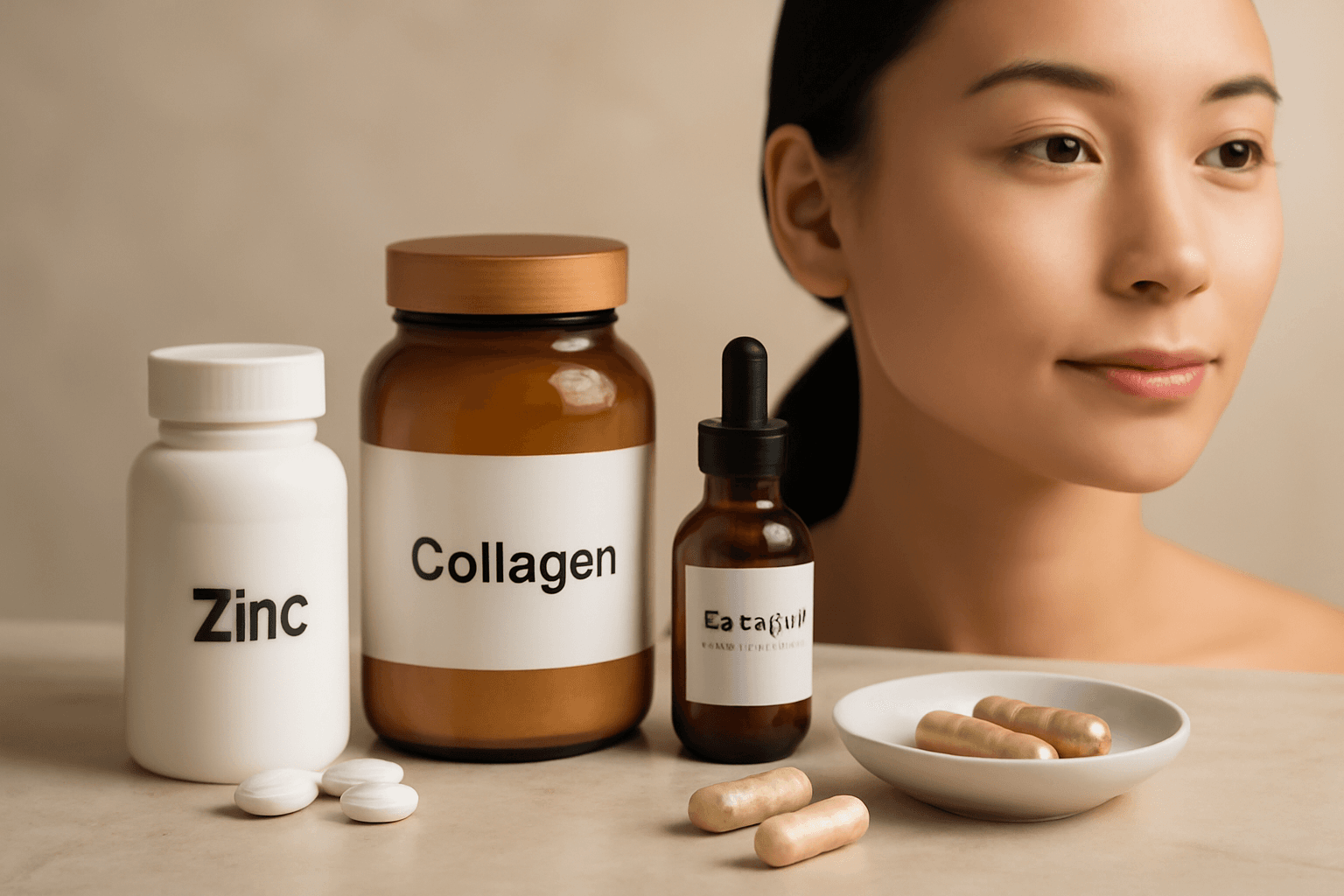
When shopping for cosmetics, you'll frequently encounter the labels "Vegan" and "Cruelty-Free." While these two terms may seem similar, they actually represent completely different standards. Vegan cosmetics refer to products that don't contain animal-derived ingredients, while cruelty-free cosmetics are products that haven't undergone animal testing. Understanding the difference between these two concepts clearly allows you to choose cosmetics that align with your values. In this article, we'll explain in detail the characteristics of each category, the ingredients they contain, and important considerations when making actual purchases.
Vegan Beauty Products
Vegan cosmetics are products that exclude all animal-derived ingredients. This includes ingredients produced by bees such as honey, beeswax, and royal jelly, as well as collagen extracted from animal bones and connective tissues. Instead, these ingredients are replaced with plant-derived and synthetic alternatives.
The main focus of vegan cosmetics is on skin moisturization and regeneration. For example, instead of animal collagen, plant-based peptides or polysaccharides are used. Coconut oil is one of the most widely used ingredients in vegan products, rich in saturated fatty acids that strengthen the skin barrier and provide deep hydration. Additionally, vegan products contain abundant vitamin C derivatives, plant extracts, and minerals.
Key ingredients in vegan products:
- Plant-based proteins: Proteins extracted from peas, oats, and rice that improve skin elasticity and are effective for hair strengthening. Protein is an essential component that supports keratin structure.
- Vitamin C esters: A form with excellent oxidative stability that improves skin tone and provides antioxidant benefits. Easier to store than regular vitamin C.
- Plant-derived glycerin: Extracted from sugar beets and palm oil, it can increase skin moisture content by over 40%.
- Green tea extract: Rich in polyphenols, providing antioxidant effects and skin-soothing benefits.
When choosing vegan cosmetics, you should look for a "Certified Vegan" certification mark on the product label. This indicates that the product has been verified by an official vegan certification body (such as The Vegan Society).
12 Non-Plant-Based Ingredients You Should Know About
It's important to recognize animal-derived ingredients commonly found in non-vegan cosmetics. If you want to avoid these ingredients, you need to carefully check ingredient lists.
- Collagen: Extracted from cattle bones and connective tissues, providing skin elasticity. Due to its large molecular size, it only forms a moisturizing barrier on the skin's surface.
- Elastin: Extracted from animal ligaments and blood vessel walls, responsible for skin elasticity.
- Keratin: Collected from animal horns, hooves, and feathers; used as a hair and nail strengthener.
- Panthenol (animal-derived): A vitamin B5 derivative extracted from animal livers. Plant-based versions also exist.
- Carmine: A red dye extracted from cochineal insects, used in lipsticks and blushes.
- Squalene: Extracted from shark liver oil and widely used as a skin moisturizer. Plant-based versions are also becoming available.
- Lanolin: A wax component extracted from sheep's wool, providing powerful moisturizing effects.
- Beeswax: Extracted from bee colonies, improving product texture and moisturizing properties.
- Royal jelly: The food of queen bees, rich in antioxidants.
- Hair keratin: A keratin protein extracted from animal hair, used in hair treatments.
- Guano: A substance extracted from bird droppings, used for nutrient supplementation due to its high nitrogen content.
- Gelatin: Made by hydrolyzing animal bones and skin, used as a base in sheet masks.
Not all of these ingredients are harmful, but consumers pursuing a vegan lifestyle prefer to avoid them. The important point is that animal-derived ingredients are not necessarily more effective. Modern cosmetic technology can deliver equivalent or superior results using plant-based and synthetic ingredients.
Cruelty-Free Beauty Products
Cruelty-free cosmetics refer to products that have not undergone animal testing during product development. They may or may not contain animal-derived ingredients. This is the key difference from vegan cosmetics.
To receive cruelty-free product certification, products must meet the following conditions: (1) the final product has not undergone animal testing, (2) ingredient components have not undergone animal testing, and (3) the parent company has not conducted animal testing. Major certification organizations include PETA (People for the Ethical Treatment of Animals), Leaping Bunny, and Choose Cruelty-Free.
Cruelty-free standards may vary by country. For example, China previously mandated animal testing for imported cosmetics, but has recently relaxed this regulation. When purchasing cruelty-free products, it's important to check which country the product is being sold in.
Standards of cruelty-free certification organizations:
- Leaping Bunny: The strictest standard, with monitoring and inspections conducted once annually. Only ingredients that have not undergone animal testing within the previous five years are permitted for use.
- PETA: Requires written commitment from manufacturers and annual renewal. However, verification standards are less stringent than Leaping Bunny.
- Choose Cruelty-Free: An Australia-based certification organization that focuses on prohibiting the outsourcing of animal testing.
3 Reasons You Should Buy Cruelty-Free Products
1. Reducing animal suffering
Animal testing causes severe suffering to rabbits, mice, guinea pigs, and other animals during cosmetic safety testing. The Draize test, an eye irritation test, works by directly instilling cosmetic ingredients into a rabbit's eye to measure the degree of irritation, causing extreme pain and eye damage. Up to 15 rabbits may be used in a single test, and in many cases, they die in a state of blindness. By choosing cruelty-free products, you directly contribute to reducing this suffering.
2. Supporting more efficient testing methods
Modern science can verify product safety without animal testing by utilizing 3D human skin models, organ-on-a-chip technology, and AI-based predictive models. These methods more accurately reflect actual human physiological responses and also shorten development time. Consumers who invest in cruelty-free products are essentially funding the development of these cutting-edge technologies.
3. Consistency in environmental and ethical values
Cosmetics that have undergone animal testing tend to be produced in countries with lower animal welfare standards, which is often linked to environmental destruction. Cruelty-free certified products undergo manufacturing processes with higher ethical standards, so they're more likely to provide additional benefits such as the use of environmentally friendly ingredients and sustainable packaging materials.
Criticisms of Cruelty-Free and Vegan Products
Vegan and cruelty-free cosmetics are not superior in all respects, and several reasonable criticisms exist.
Limitations in efficacy: Some animal-derived ingredients are highly effective for specific skin problems. For example, animal collagen, while difficult to penetrate deep into the skin, forms a powerful moisturizing barrier on the skin's surface, providing immediate results. Plant-based proteins, on the other hand, may require more time. Additionally, plant-based versions of certain active ingredients (such as squalene) may be less stable than their animal-derived counterparts.
Price issues: The process of obtaining vegan and cruelty-free certification incurs additional costs. From ingredient cultivation to final verification, all steps must follow strict standards, which can make product prices 20-50% higher than regular cosmetics. This limits accessibility for low-income consumers.
Greenwashing problems: Some companies mislead consumers with "cruelty-free" labels. For example, while the final product is cruelty-free, the parent company may conduct animal testing, or the company may outsource animal testing to comply with local regulations for sales in the Chinese market. If you don't verify trusted certification marks, you can fall victim to these false claims.
Environmental impact paradox: Palm oil, a key ingredient in some vegan products, causes tropical rainforest destruction through large-scale farming. Additionally, natural ingredients harvested from the Arctic also threaten vulnerable ecosystems. Therefore, the assumption that "vegan is always environmentally friendly" can be misleading.
Enjoying the Benefits of Both Cruelty-Free and Vegan Products
While perfect choices may be difficult, you can find practical ways to locate products that meet both standards.
Mixed strategy for skincare routine: You don't need to switch all your products to vegan alternatives. For example, you can choose daily moisturizers from cruelty-free products while selecting concentrated essences from vegan products. This allows you to reduce cost burden while maintaining ethical standards at a certain level.
Choosing based on active ingredients: It's important to identify which active ingredients are suitable for your skin type and concerns. For example, if you have dry skin, vegan products containing coconut oil, glycerin, and hyaluronic acid are appropriate. For acne-prone skin, consider cruelty-free products with vitamin C, niacinamide, and tea tree oil. Products containing zinc are effective at regulating sebum production.
- Dry and damaged hair: Combination of vegan hair mask (containing coconut oil, argan oil, avocado extract) + cruelty-free protein treatment
- Sensitive skin: Vegan cleansing products + cruelty-free soothing essence (green tea, aloe extract)
- Mature skin: Cruelty-free vitamin C serum + vegan retinol alternative (rosehip oil)
Utilizing brand evaluation systems: Check cruelty-free selection guide websites (such as Leaping Bunny Directory) to review the entire product line of certified brands. Many cruelty-free brands also offer vegan product lines.
Ingredient label reading skills: Check the first five ingredients on the INCI (International Nomenclature of Cosmetic Ingredients) ingredient list on the back of the product. These are the key ingredients that determine product efficacy. You can verify whether the product contains effective active ingredients without animal-derived components.
Consulting medical professionals: If you have specific skin conditions (such as severe acne, dermatitis, or atopic dermatitis), consult with a dermatologist to determine what ingredients you need. Sometimes the efficacy of specific proven ingredients may take priority over ethical considerations. Work with a medical professional to explore whether medical-grade skincare products are available in vegan and cruelty-free options.
Summary
Key difference: Vegan cosmetics are about whether animal-derived ingredients are used, while cruelty-free cosmetics are about whether animal testing is conducted. A product being vegan doesn't necessarily mean it's cruelty-free, and vice versa.
Key points summary:
- Vegan products: Completely exclude animal-derived ingredients by utilizing coconut oil, plant-based proteins, vitamin C, and plant-derived glycerin
- Cruelty-free products: The core focus is excluding animal testing, with certification marks from Leaping Bunny, PETA, and others being essential to verify
- Critical perspective: Limitations exist including greenwashing, price increases, and environmental impact paradoxes
- Practical approach: Use a mixed strategy tailored to your skin type and needs, check ingredient lists, and consult professionals when necessary
Rather than pursuing perfection, the wisest approach is to clearly identify the values you prioritize most (animal welfare, environmental protection, efficacy) and make achievable choices. Choosing cosmetics is a journey of finding balance between personal beliefs and practical effectiveness.