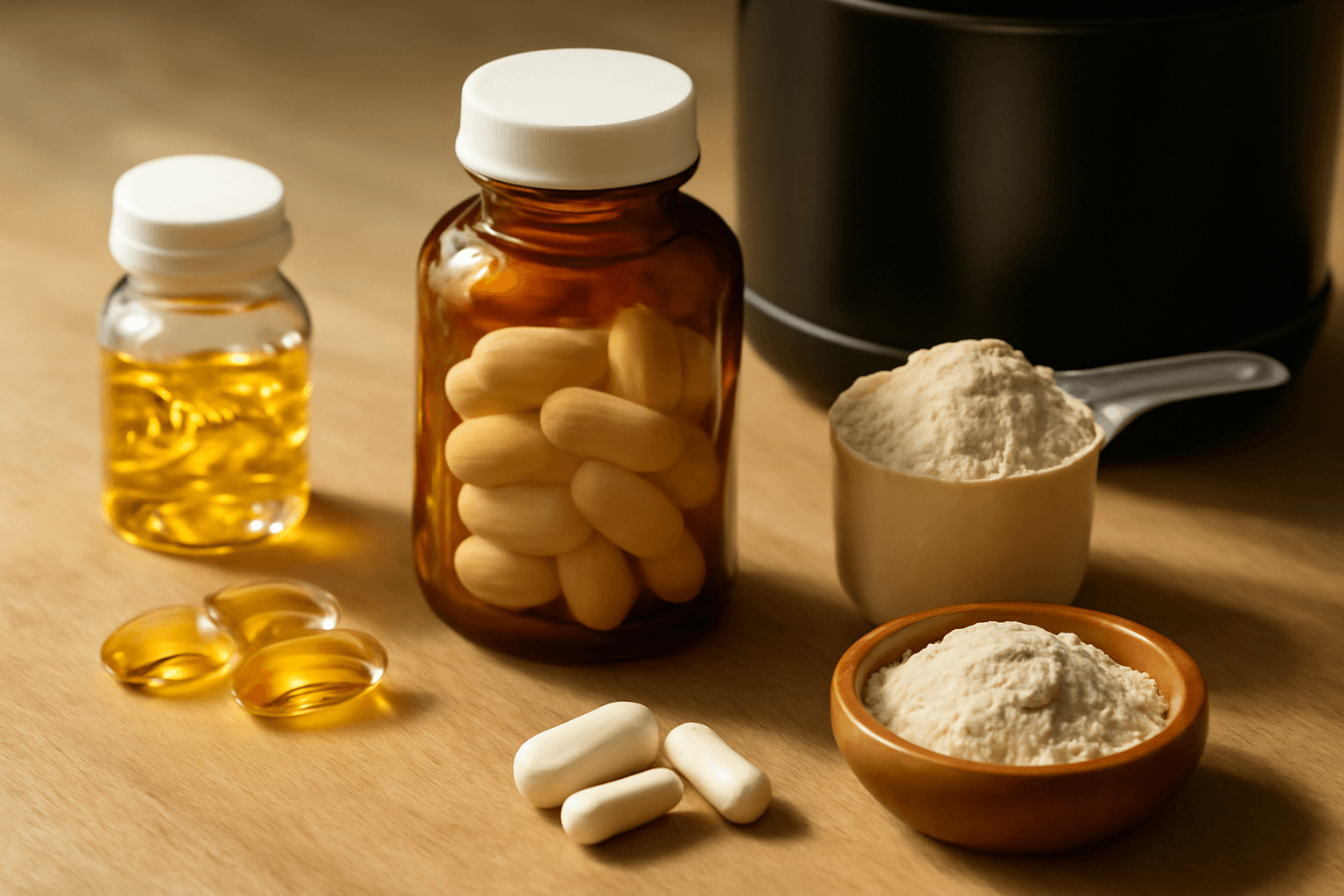
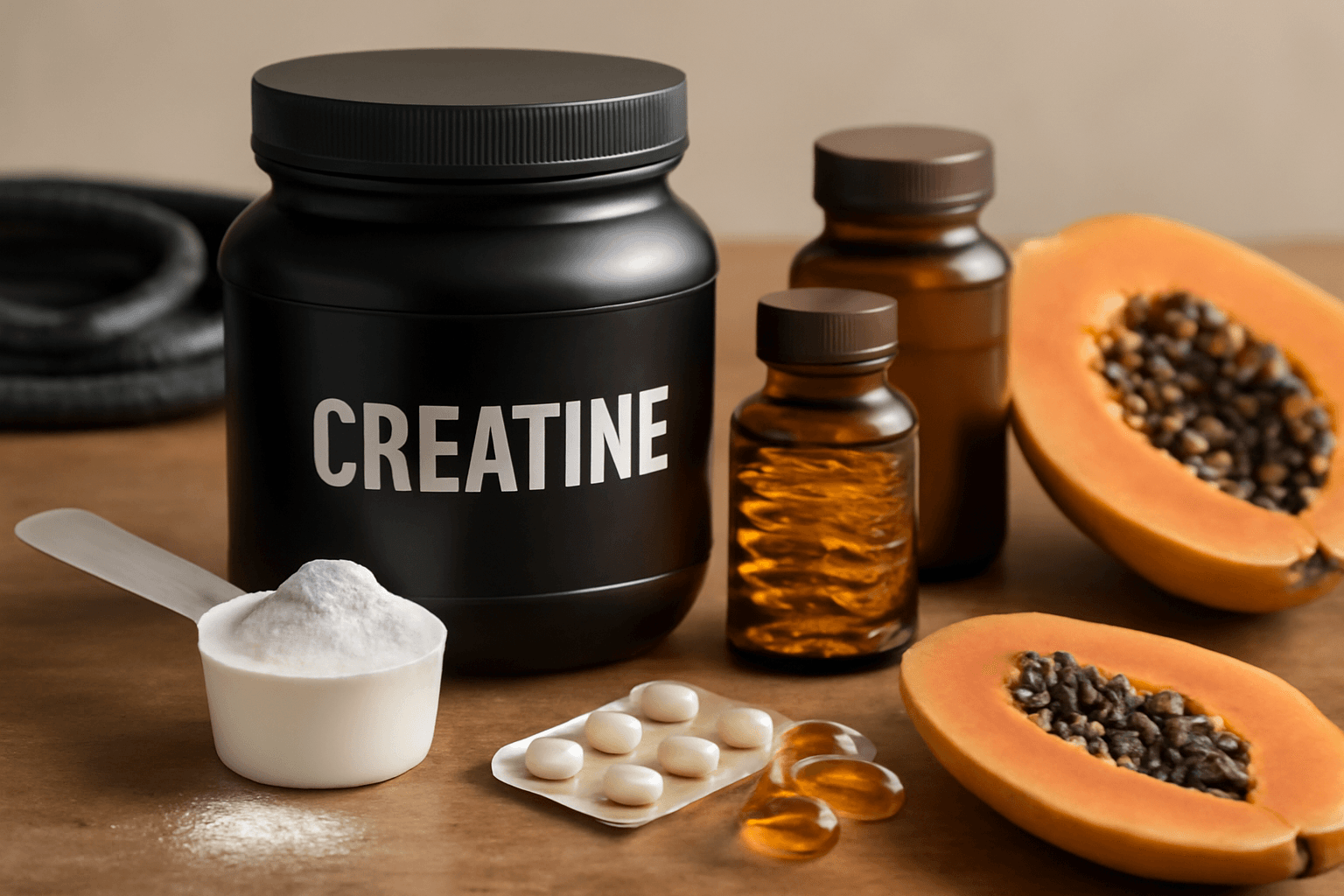
Hydroxymethylbutyrate (HMB) is a metabolite produced during the breakdown of leucine, an essential amino acid, in the body. In recent decades, it has gained attention in the field of sports nutrition as a compound that promotes muscle protein synthesis and inhibits muscle breakdown. It is particularly known to help increase muscle mass and improve strength in people performing resistance exercises (weight training). This article will examine HMB's role, food sources, and scientific benefits in detail.
What Role Does HMB Play?
HMB acts as a key regulator of muscle protein metabolism. Within the body, HMB primarily activates a signaling pathway called mTOR (mechanistic target of rapamycin) to promote muscle protein synthesis. Simultaneously, it prevents muscle loss by inhibiting the activity of the ubiquitin-proteasome system, a protein degradation pathway.
Another important role of HMB is maintaining cell membrane stability. HMB participates in cholesterol synthesis, a component of cell membranes, thereby protecting the structural integrity of muscle cells. Thanks to these properties, it provides protective effects against muscle damage caused by high-intensity exercise. Additionally, HMB contributes to enhanced immune function by supporting glutamine metabolism and providing an energy source for immune cells.
When HMB is supplied during strength training, it promotes fatigue recovery and helps regulate post-exercise inflammatory responses. It operates through a different mechanism than BCAA (branched-chain amino acids), so consuming both together can produce synergistic effects.
What Is HMB?
HMB (β-Hydroxy β-Methylbutyrate) is a metabolite of leucine, an essential amino acid. When leucine is consumed, approximately 5% of it is converted to HMB in the body. Because this is a relatively low conversion rate, strength athletes take HMB supplements separately.
HMB first gained attention in the United States in 1996 as a supplement for enhancing exercise performance, and its effectiveness has since been confirmed through various clinical studies. In terms of molecular structure, HMB is a short-chain fatty acid, but it functions not simply as an energy source but as a signaling molecule. Within the body, HMB primarily accumulates in muscle tissue and activates muscle adaptation signals in response to exercise stimulation.
HMB has good bioavailability, with blood concentrations reaching peak levels within approximately 1-2 hours after oral intake. The recommended daily intake is generally in the range of 1.5-3g, and can be adjusted based on exercise intensity and individual goals.
Foods Rich in HMB
HMB is found primarily in protein-rich foods. Beef contains approximately 0.5mg of HMB per 100g, and fish, particularly omega-3-rich fish like salmon, are also quality HMB sources. Eggs are complete proteins that contain HMB, making them ideal for breakfast.
Among dairy products, Greek yogurt provides more HMB than regular yogurt due to its higher protein content. Cheese, particularly Parmesan, is also a high-protein food and a good HMB source. Plant-based foods include legumes such as tofu, tempeh, and lentils, and their protein utilization increases when consumed with vitamin D.
However, it is difficult to obtain adequate levels of HMB from food sources alone for improved exercise performance. For example, to get 1.5g of HMB would require consuming approximately 300g of beef, which is impractical in a typical diet. Therefore, people doing serious resistance training should consider HMB supplements. When selecting supplements, calcium HMB (Ca-HMB) is the most widely researched and proven form.
Health Benefits of HMB
The health benefits of HMB extend far beyond muscle growth to provide various physiological advantages. Improved cholesterol metabolism has been reported, as HMB acts as a lipid signaling molecule necessary for cell membrane synthesis while simultaneously improving lipid profiles. It particularly helps reduce LDL cholesterol and maintain HDL cholesterol.
Immune system enhancement is another important benefit of HMB. HMB supports glutamine metabolism and promotes energy supply for immune cells. In terms of digestive health, it promotes protein synthesis in intestinal epithelial cells, contributing to the maintenance of intestinal integrity. This is also related to microbiome health and improves overall digestive function.
HMB's effectiveness in elderly populations is noteworthy. It has been proven effective in preventing sarcopenia, the age-related muscle loss that occurs with aging. In studies of adults aged 60 and over, combining HMB supplementation with resistance exercise significantly improved strength and functional capacity.
Additionally, HMB is involved in reducing oxidative stress. It alleviates the oxidative stress that occurs after high-intensity exercise, speeding up recovery. When taken with vitamin D, it can also improve bone health.
HMB Promotes Muscle Growth
The mechanism by which HMB promotes muscle growth lies in activating protein synthesis. HMB powerfully activates the mTOR signaling pathway to increase ribosomal protein synthesis within muscle cells. Particularly when HMB is consumed immediately after resistance exercise, it works synergistically with the exercise-induced protein synthesis signal to create an optimal muscle growth environment.
According to clinical research results, when young men performing resistance exercise were given 3g of HMB daily for 8 weeks, they showed approximately 1.3kg more muscle mass increase compared to the placebo group. More interestingly, HMB shows synergistic effects when working alongside BCAAs. BCAAs improve the overall amino acid environment, while HMB specifically enhances muscle protein synthesis signals.
The muscle growth effect varies depending on training experience. Beginners and intermediate exercisers show more pronounced effects, as their baseline protein synthesis capacity has not yet fully developed. Advanced athletes can also benefit appropriately from HMB, though the magnitude may be relatively smaller.
For optimal muscle growth, HMB supplementation must be combined with adequate protein intake (1.6-2.2g per kg of body weight), progressive resistance exercise, and micronutrient supplementation such as vitamin D. Additionally, consuming HMB within one hour after exercise is most effective.
HMB Helps Reduce Muscle Loss
Another key function of HMB is inhibiting muscle breakdown (proteolysis). HMB's value is particularly maximized during weight loss periods requiring calorie restriction or in situations of muscle loss due to illness. HMB minimizes muscle loss by inhibiting the activity of the ubiquitin-proteasome pathway, which promotes muscle protein breakdown.
According to research data, when HMB was administered to people performing resistance exercise under calorie restriction, it showed approximately twice greater muscle loss reduction compared to placebo. Participants who consumed 3g of HMB daily for 8 weeks were able to maintain muscle mass while reducing only body fat.
The effect is even more pronounced in elderly populations. Sarcopenia is age-related muscle loss that naturally progresses with aging, and the combination of HMB and resistance exercise can substantially delay this age-related muscle loss. In studies of adults over 75, HMB supplementation significantly improved functional fitness, such as walking speed and stair-climbing ability.
HMB also plays an important role during post-surgery recovery or in long-term hospitalized patients. It can slow the rate of muscle loss even during bed rest. HMB may also help alleviate cachexia in cancer patients, though in these cases it must be used under medical supervision.
Summary
HMB is an important nutritional component derived from leucine metabolism that performs a dual function of promoting muscle protein synthesis and inhibiting breakdown. Its main benefits are as follows:
- Promotes muscle growth: During resistance exercise, it enhances protein synthesis signals to promote muscle mass increase. It is particularly effective for beginners, with 8-week trials showing approximately 1.3kg of additional muscle increase compared to placebo.
- Prevents muscle loss: It inhibits muscle loss due to calorie restriction, aging, and disease. It is effective in maintaining muscle mass even during weight loss.
- Healthy immune function: It supports glutamine metabolism and maintains intestinal integrity, improving digestive and immune health.
- Promotes recovery: After high-intensity exercise, it regulates inflammation and alleviates oxidative stress, speeding up recovery.
- Metabolic health: It contributes to improved cholesterol profiles and stabilization of cell membrane structure.
How to Use Effectively:
- Recommended intake: 1.5-3g daily (3g is the typical clinical research standard)
- Form: Calcium HMB (Ca-HMB) is the most researched and proven safe form
- Timing: Recommended within 1 hour after resistance exercise
- Duration: Effects can be observed after at least 4 weeks of continued use, typically 8 weeks or more
- Combined considerations: Synergistic effects when taken with adequate protein intake, vitamin D, BCAAs, and similar supplements
Precautions: HMB is generally known to be safe, but consultation with a healthcare professional is essential if you have kidney disease or are taking certain medications. Additionally, HMB must be used alongside strength training to be effective; muscle growth cannot be expected from supplement intake alone. Please use HMB considering your individual health status, exercise level, and nutritional state comprehensively.
The information in this article is provided for educational purposes, and its effectiveness may vary depending on individual health conditions. Especially if you have underlying health conditions or are taking medications, please consult with a healthcare professional before starting HMB supplements.