The Impact of Sleep Deprivation on Weight Gain: Scientific Evidence and Solutions
In modern life, sleep deprivation is no longer a choice but a necessity. Due to workplace culture, smartphone addiction, and stress, many people are falling short of the recommended 7-9 hours of sleep. But did you know that this sleep deprivation doesn't just cause fatigue—it can actually be a major cause of weight gain? Recent research has revealed a strong correlation between sleep deprivation and obesity, bringing renewed attention to the importance of sleep.
How Sleep Deprivation Disrupts Hormonal Balance
Weight regulation in our bodies is not determined solely by how much we eat. Multiple hormones work together in complex ways to regulate appetite, satiety, and energy expenditure. Sleep deprivation disrupts this delicate hormonal balance.
The Imbalance Between Ghrelin and Leptin
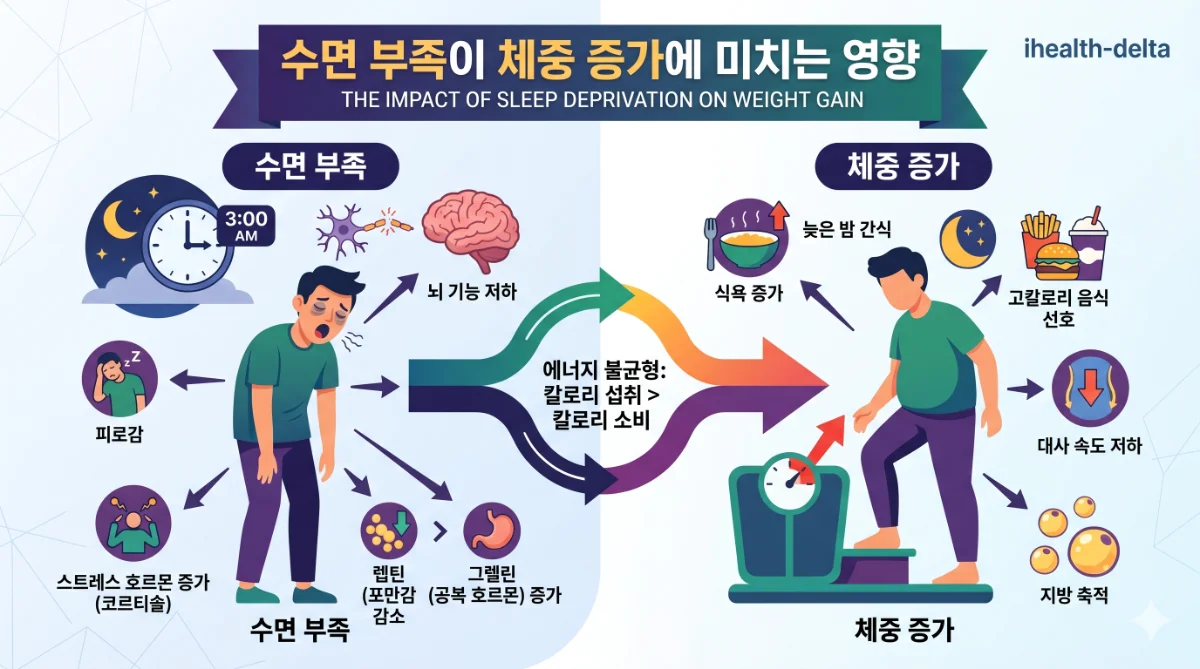
According to a study comparing people who sleep only 4 hours a night with those who sleep 8 hours, the sleep-deprived group experienced a 28% increase in ghrelin (the hunger hormone) and an 18% decrease in leptin (the satiety hormone). This creates a vicious cycle that makes the brain crave more calories.
Ghrelin is secreted by the stomach and sends signals to the hypothalamus in the brain to stimulate appetite. When sleep is insufficient, this hormone is overproduced, causing you to crave food even when you're not actually hungry. Leptin, on the other hand, is secreted by fat cells to create a feeling of fullness. Sleep deprivation weakens this signaling system, leading to overeating.
Elevation of Cortisol
Cortisol, the stress hormone, is also closely related to sleep deprivation. Without adequate sleep, cortisol levels can rise 25-50% above normal range. Elevated cortisol levels have the following negative effects:
- Promotes accumulation of visceral fat (especially around the abdomen)
- Impaired blood sugar regulation, increasing diabetes risk
- Decreased metabolic rate
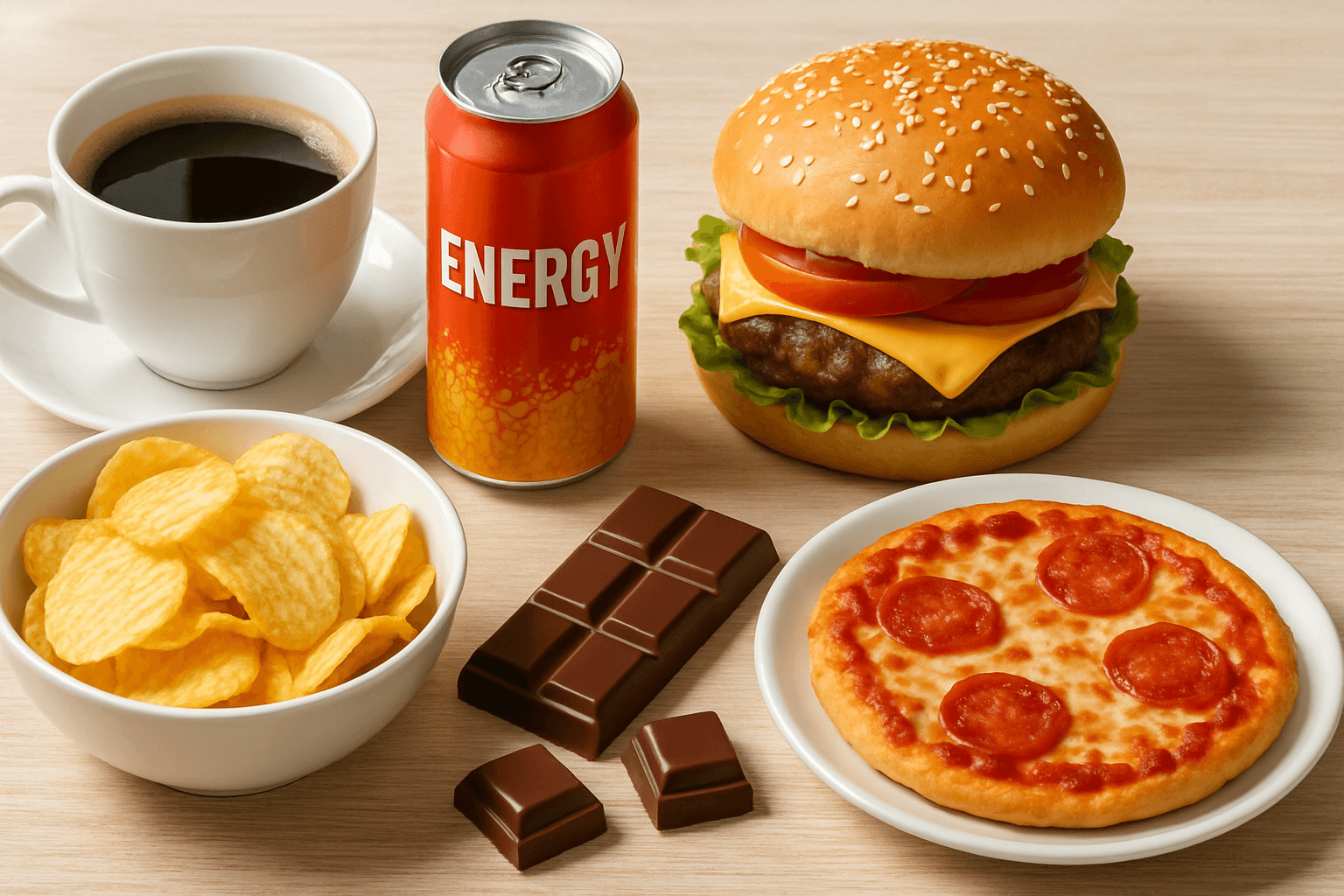
- Uncontrolled food cravings, particularly for high-calorie foods
Decreased Insulin Sensitivity
Sleep deprivation significantly reduces insulin sensitivity. In one study, a group that restricted sleep for a week experienced up to a 40% decrease in insulin sensitivity. This means that even with the same food intake, more insulin needs to be secreted, which ultimately leads to greater fat accumulation.
The Mechanism of How Sleep Deprivation Slows Metabolism
In weight management, metabolism (basal metabolic rate) is critically important. No matter how little you eat, if your metabolism is low, weight loss won't occur.
Interestingly, research shows that the metabolic rate of someone who pulls an all-nighter decreases by approximately 20% the next day. This is an instinctive response of the body to conserve energy. Prolonged sleep deprivation causes this metabolic decline to become chronic, accelerating weight gain.
Additionally, insufficient sleep decreases muscle mass. Growth hormone is primarily secreted during deep sleep (Stage N3), and sleep deprivation reduces both the quality and quantity of this deep sleep. Since muscle burns more calories than fat, muscle loss ultimately leads to weight gain in the long term.
Actual Statistics and Clinical Research Results
Beyond theory, actual research data clearly demonstrates the correlation between sleep deprivation and weight gain.
- American Journal of Clinical Nutrition (2012): People sleeping 5 hours or less have a 55% higher obesity risk compared to those sleeping 7-8 hours
- International Obesity Association (2019): For every hour of reduced sleep, body weight can increase by an average of 500g to 1kg
- Stanford Sleep Institute: The 4-hour sleep group consumed approximately 300 more calories of snacks and carbohydrates than the 10-hour sleep group
- Korea Disease Control and Prevention Agency (2023): Obesity prevalence in sleep-deprived adults is 1.8 times higher than in those with normal sleep
How Sleep Deprivation Worsens Eating Habits
Beyond hormonal changes, sleep deprivation directly deteriorates our eating habits.
Increased Impulsive Food Choices
When fatigued, the function of the prefrontal cortex (responsible for decision-making) in the brain is impaired. Therefore, the probability of choosing high-calorie foods for immediate gratification over healthy options increases by 63%. This explains why we crave ramen, fried chicken, and chocolate when we're tired.
Late-Night Snacking Patterns
To compensate for fatigue from sleep deprivation, people unconsciously increase food intake. Eating after 11 p.m., in particular, is much more likely to be stored as fat since metabolism is slowed at that time.
Medical Note: If continuous sleep deprivation persists for more than 6 months, it's advisable to seek professional medical evaluation. You may have sleep disorders such as sleep apnea or insomnia, which may require medication. Rather than self-medicating with sleep aids, it's important to consult with a doctor to identify the root cause.
Weight Loss Strategy Through Improved Sleep
Fortunately, improving sleep can be a powerful tool for weight loss. In fact, people who increased their sleep time experienced remarkable weight loss effects.
Practical Sleep Improvement Methods
- Maintain consistent sleep schedule: Go to bed and wake up at the same time on weekends as on weekdays (stabilize sleep rhythm)
- Optimize bedroom environment: Keep indoor temperature between 16-19°C, ensure complete darkness, eliminate noise
- Limit evening screen time: Avoid smartphones, tablets, and computers 1 hour before bed (prevent melatonin suppression from blue light)
- Control caffeine intake: Avoid caffeinated beverages after 2 p.m.
- Limit evening exercise: Avoid intense exercise 3 hours before bed
- Warm bath: Taking a warm bath 1-2 hours before bed helps promote quality sleep through body temperature decrease
- Meditation and relaxation: Practice deep breathing or progressive muscle relaxation for 10-15 minutes before bed
Actual Weight Loss Effects of Sleep Improvement
Research on people who increased their sleep from 5 hours to 7 hours shows that average weight loss of 2.5kg occurred within 3 months without dietary modification. This is because hormonal balance improves automatically and metabolism normalizes.
Even more remarkable is the report that people with improved sleep found appetite control easier. Late-night snacking urges naturally decreased, and cravings for high-calorie snacks diminished.
The Triangle of Sleep, Exercise, and Diet
Weight management cannot succeed with just one element. Three things must work in harmony: sleep, exercise, and diet.
- Sleep: Hormonal balance, metabolism, decision-making ability
- Exercise: Calorie expenditure, muscle maintenance, stress reduction
- Diet: Nutrient intake, calorie control
If any one of these is missing, the effectiveness of the other two is cut in half. No matter how good your diet is, lack of sleep increases the likelihood of failure. Even with lots of exercise, muscle loss can occur if sleep is insufficient.
Summary
The relationship between sleep deprivation and weight gain is no longer speculation but scientific fact. Through multiple mechanisms—ghrelin and leptin imbalance, elevated cortisol, decreased insulin sensitivity, and reduced metabolism—sleep deprivation leads to weight gain. Paradoxically, modern people often increase exercise time while reducing sleep time in an attempt to lose weight.
The most fundamental and effective method for healthy weight management is getting adequate sleep. Consistent sleep of 7-9 hours a day is not merely rest but a powerful tool for weight loss, while simultaneously improving cardiovascular health, immunity, and mental health.
Starting today, try adding just 30 minutes to your sleep time. This will be your first step toward healthy weight management. And after 3 months, you will experience the remarkable transformation of hormonal balance restoration and natural weight loss. Remember: true dieting starts in bed.