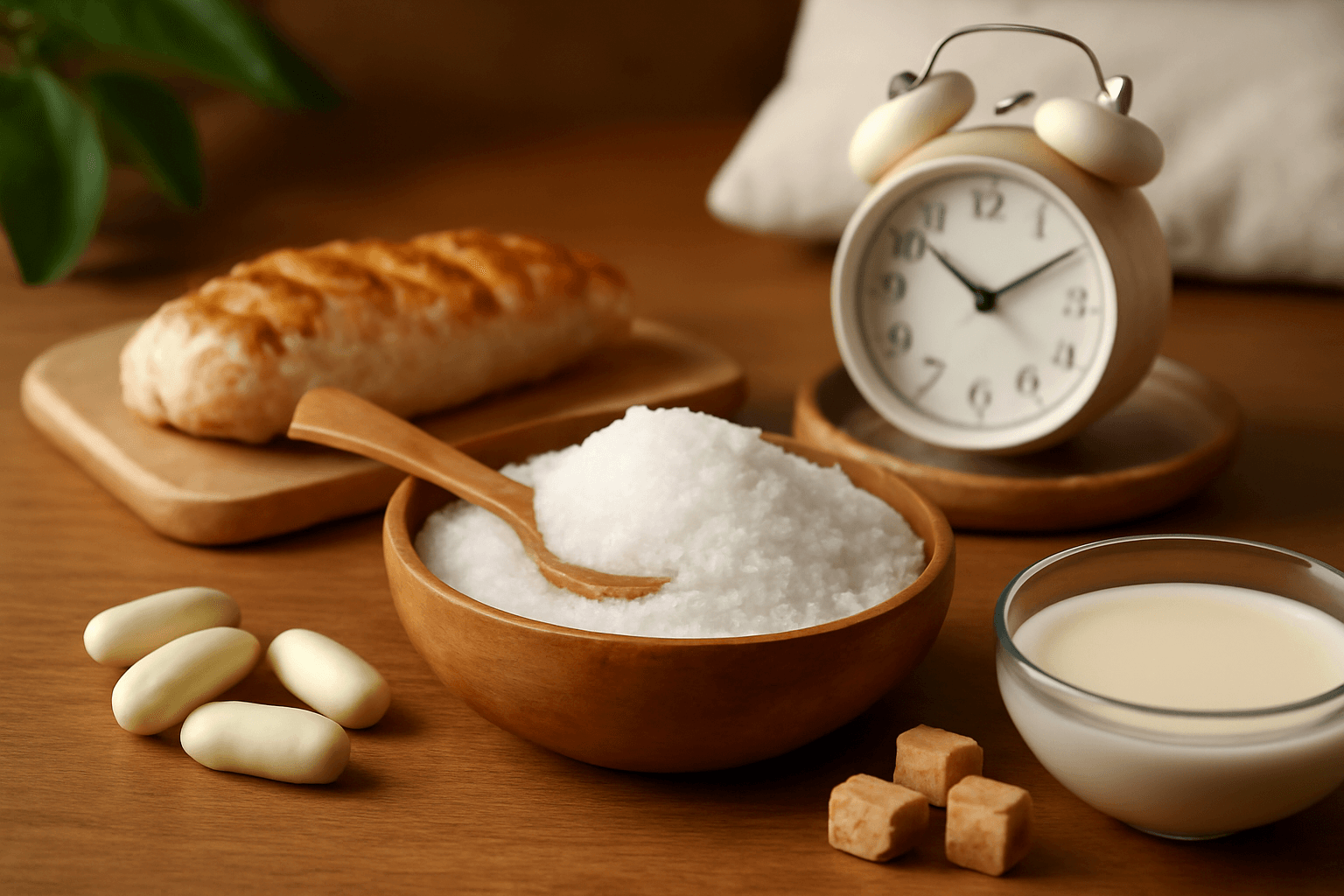
Epsom salt is a magnesium sulfate compound first discovered in the Epsom region of England in the 19th century and has recently gained attention in the health and wellness industry. It can be dissolved in bathwater to help with muscle relaxation and fatigue recovery, or taken orally to support digestive health and blood sugar control. It is particularly rich in essential minerals such as magnesium and potassium and is known to be effective for improving sleep, relieving stress, and removing toxins from the body. This article comprehensively introduces the scientific evidence, benefits, and safe usage of Epsom salt.
What is Epsom Salt?
Epsom salt is a white powdered mineral chemically composed of magnesium sulfate heptahydrate (MgSO₄·7H₂O). Although it resembles regular table salt in appearance, it contains magnesium as its main component instead of sodium and has a bitter taste. First discovered in a well in the Epsom region of England in 1618, it was widely used for medical purposes as a natural laxative in the 19th century.
Modern Epsom salt is primarily used for the following purposes:
- Bathing: Dissolved in warm water for full-body or partial soaking
- Oral consumption: Taken as a laxative or supplementary therapy under medical supervision
- Topical application: Applied directly to inflamed areas for anti-inflammatory effects
- Gardening: Supplements magnesium deficiency in plants
One tablespoon of Epsom salt (approximately 15g) contains about 567mg of magnesium, which exceeds the recommended daily allowance for adults (400-420mg for men, 310-320mg for women). Therefore, proper dosage and usage methods are very important.
Epsom Salt is Rich in Magnesium
The most significant health benefit of Epsom salt comes from its high magnesium content. Magnesium is an essential mineral involved in over 300 biochemical reactions in the human body and is crucial for nerve function, muscle contraction, energy production, protein synthesis, and blood sugar regulation.
Magnesium and Muscle Relaxation
Magnesium plays a direct role in muscle relaxation and tension relief. Muscle contraction occurs when calcium flows into muscle cells, and magnesium facilitates calcium removal, allowing muscles to relax. Epsom salt baths are effective for relieving muscle pain, arthritis, and sports injury-related discomfort through magnesium absorption via the skin. A 2012 study showed that athletes experienced shortened muscle recovery time and reduced pain after Epsom salt baths.
Magnesium and Nervous System Function
Magnesium calms stress responses through neurotransmitter regulation and prevents excessive activation of the nervous system. Magnesium deficiency is associated with anxiety, depression, and sleep disorders, and adequate magnesium intake promotes GABA receptor activation for calming effects. A warm Epsom salt bath in the evening can improve sleep quality as part of a relaxing routine.
Magnesium and Blood Sugar Control
Magnesium plays an important role in blood sugar metabolism and regulates insulin secretion and glucose uptake. A 2015 meta-analysis showed that magnesium supplementation reduced fasting blood glucose levels by an average of 8mg/dL and improved insulin resistance. Magnesium supplementation may be particularly effective for blood sugar management in people with prediabetes.
Magnesium and Fatigue Recovery
Magnesium is essential for ATP (adenosine triphosphate) production, which is the cellular energy currency. Magnesium deficiency is associated with chronic fatigue syndrome, and adequate magnesium intake elevates energy levels and reduces physical fatigue. Regular Epsom salt baths can accelerate recovery of tired muscles and help improve overall energy levels.
Safety and Side Effects
Epsom salt is generally a safe substance, but it must be used in the correct dosage and method. When used topically (bathing), skin problems are rare, but care should be taken with oral consumption.
Bath Safety
Regular Epsom salt baths are generally considered safe for both adults and children. The recommended dosage is 1-2 cups of salt (225-450g) per bath, soaked in warm water (approximately 37-40°C) for 10-15 minutes. If you have skin conditions, wounds, or eczema, consult a healthcare professional before use, and those with very sensitive skin should lower the concentration. Excessive bathing (more than 3 times per week) can cause skin dryness, so proper moisturizing is essential.
Side Effects of Oral Consumption
Oral Epsom salt acts as a powerful laxative and should not be taken without medical guidance. Possible side effects include:
- Abdominal cramping and diarrhea (most common side effect)
- Nausea and vomiting
- Serious electrolyte imbalance with overdose
- Magnesium accumulation in patients with kidney disease
Contraindications
Consult a healthcare professional before using Epsom salt in the following cases:
- Severe kidney disease or kidney failure
- Heart disease or arrhythmia
- Pregnancy or breastfeeding
- Bowel obstruction or serious gastrointestinal disease
- Magnesium metabolism disorders
- Low blood pressure or taking blood pressure medications
Drug interactions with Epsom salt are also possible, so you should inform your pharmacist or doctor if you are currently taking medications. In particular, it may interact with bisphosphonates (osteoporosis medication), tetracyclines (antibiotics), and quinolones (antibiotics).
Other Uses
In addition to bathing and oral consumption, Epsom salt has several health and lifestyle applications.
Protein Synthesis and Strength Building
Magnesium is essential for protein synthesis and important for maintaining and building muscle mass. When people who exercise regularly consume adequate magnesium, the benefits of strength training are enhanced and muscle damage recovery accelerates. Therefore, Epsom salt baths can be incorporated into post-weight training recovery routines.
Digestive Promotion
Epsom salt has traditionally been used as a natural laxative. When taken orally, it acts as an osmotic laxative by increasing water absorption in the intestines to promote bowel movements. However, it should only be used for temporary constipation relief rather than chronic constipation treatment, and long-term use should be avoided. The typical dosage is 2.4-4.8g diluted in water under medical supervision.
Detoxification and Body Cleansing
There are claims that Epsom salt baths help with toxin removal (detoxification), but scientific evidence is limited. The skin primarily serves a protective function and does not absorb bath components on a large scale. However, magnesium absorption may lead to increased sweating, and a warm bath itself can indirectly support overall health through physical relaxation and stress reduction.
Anti-Inflammatory Effects
The magnesium content in Epsom salt has anti-inflammatory properties and may help relieve pain related to arthritis, gout, and inflammatory conditions. Both topical application and indirect absorption through bathing may be effective. However, for acute inflammatory conditions, medical diagnosis and treatment should take priority.
How Will You Use Epsom Salt?
Daily Health Maintenance Baths
This is the safest and most popular usage method. Add 1-2 cups of Epsom salt to a warm bathtub and soak for 10-15 minutes to help with muscle relaxation, stress reduction, and improved sleep. Use 2-3 times per week, and evening use can enhance sleep quality. After bathing, apply lotion or oil to the skin for moisture.
Recovery Therapy for Athletes
An Epsom salt bath within 24 hours after intense exercise reduces muscle soreness (DOMS: Delayed Onset Muscle Soreness) and speeds up recovery. Marathon runners, gymnasts, and weight training enthusiasts widely use this method. Avoid bathing immediately after exercise; bathing 6-12 hours later is most effective.
Chronic Pain Management
Patients with rheumatoid arthritis, osteoarthritis, and fibromyalgia experience symptom relief from regular Epsom salt baths. For these individuals, regular bathing 2-3 times per week may help and can be used alongside other medical treatments.
Sleep Disorder Improvement
For people who have difficulty falling asleep, a warm Epsom salt bath one hour before bedtime can stimulate sleep signals as body temperature rises and then drops. Since magnesium promotes the production of nerve-calming hormones, natural sleep improvement can be expected without medication dependence.
Foot Care and Swelling Relief
When used as a foot soak, it can relieve foot swelling, plantar fasciitis, and toenail inflammation. Simply dissolve half a cup of Epsom salt in warm water and soak your feet for 15-20 minutes, and regular evening use is effective.
Conclusion
Epsom salt, based on its high magnesium content, provides various health benefits including muscle relaxation, fatigue recovery, stress reduction, improved sleep, blood sugar control, and digestive promotion. Especially when used for bathing, it has high safety, rare side effects, and is an easily accessible natural health product.
Key Points:
- Basic Usage: Add 1-2 cups of salt to a bathtub and soak for 10-15 minutes (2-3 times per week)
- Main Benefits: Muscle pain relief, improved sleep, stress reduction, energy recovery
- Scientific Evidence: Magnesium's nerve calming, muscle relaxation, and blood sugar control functions
- Oral Consumption: Use only under medical supervision; consider side effect risks
- Safe Usage: Professional consultation is essential for people with kidney disease, heart disease, or pregnancy
- Post-Bath Care: Use moisturizers to prevent skin dryness
Epsom salt is an effective wellness tool for modern people to overcome stress and fatigue. However, if you have chronic conditions or are taking medications, be sure to consult with a healthcare professional before using new health products to confirm safe usage methods suited to your health status. We encourage you to maximize the health benefits of Epsom salt through proper use.