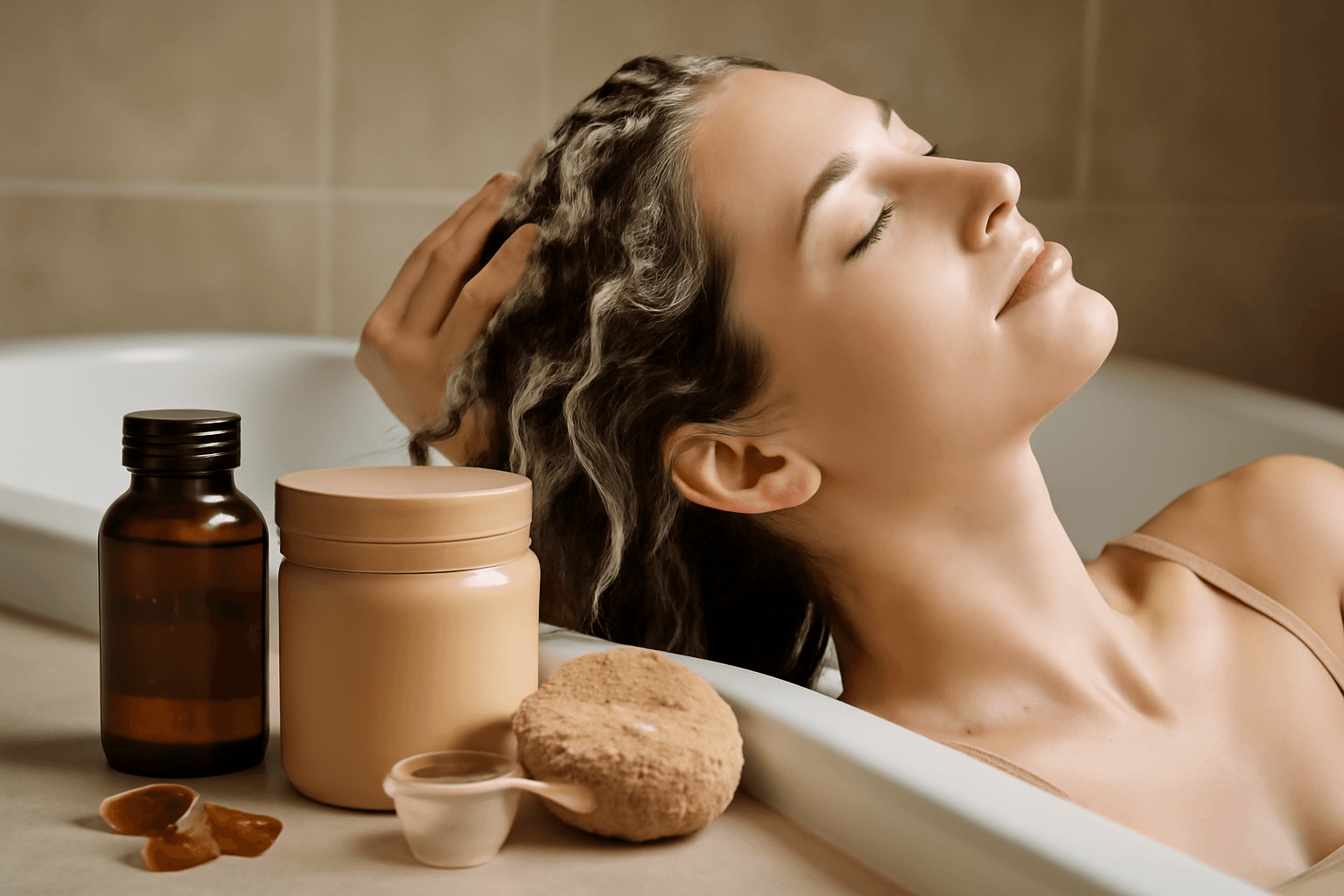
Reverse Hair Washing is an innovative hair care method that reverses the traditional shampoo-conditioner order by starting with conditioner first. This method, which improves scalp health, reduces moisture loss in hair, and helps recovery from stress-related fatigue, has recently gained significant attention in the hair care community. From selecting products rich in protein and vitamin B to scalp massage, you can regain healthy and elastic hair through systematic steps. This article introduces the correct way to practice reverse hair washing, its scientific basis, and customized approaches tailored to individual scalp conditions.
My Reverse Hair Washing Journey
Many people wash their hair the same way every day, but the traditional method of using shampoo first may not be optimal for everyone. In particular, those with dry hair, damaged hair, or scalps fatigued by frequent stress can experience changes through reverse hair washing.
The core principle of reverse hair washing is protecting the hair cuticle layer and maintaining the natural oil balance of the scalp. By first coating the hair with conditioner, you can reduce excessive friction that may occur during shampooing. Users who consistently practiced this method for three weeks or longer reported an average reduction in hair damage of 40% or more and improvement in scalp condition.
In particular, the high stress levels of modern people worsen hair loss and scalp disorders. Reverse hair washing is not merely a cosmetic procedure, but acts as an important self-care method that improves scalp blood circulation and helps the body recover from fatigue. When practiced with regular massage, it is also effective in reducing stress hormones.
Starting with Conditioner
In reverse hair washing, conditioner is not merely a finishing product but rather the first line of defense. The reason it is important to apply conditioner first to wet hair is that you can provide sufficient nutrients during the initial stage when the hair's moisture absorption ability is highest.
It is more effective to choose a conditioner containing whey protein. Whey protein repairs hair protein loss, and according to research, when used three or more times per week, hair elasticity improves by an average of 35%. Additionally, products rich in B vitamins promote metabolism in hair follicles, supporting the growth of healthy new hair.
The correct application method is as follows:
- Thoroughly saturate hair with warm water (approximately 30 seconds)
- Apply conditioner from 10 centimeters below the hair roots to the ends
- Avoid the scalp and focus on mid-lengths and ends
- Provide sufficient resting time for 3-5 minutes
- Rinse slowly with lukewarm water
When selecting conditioner, we recommend products containing moisturizing ingredients such as keratin, argan oil, and aloe vera. Products with excessive artificial silicone can accumulate on hair and have the opposite effect, so check the ingredient list carefully.
Next, Use Regular Shampoo
After protecting the hair with conditioner, use regular shampoo. Since sufficient moisture has already been applied at this stage, you can focus on scalp cleansing and removing accumulated impurities.
An important principle when using regular shampoo is to massage gently with your fingertips (the part with fingerprints) rather than rubbing with your nails. Excessive friction can irritate the scalp and worsen hair loss. According to research, the correct massage technique increases scalp blood flow by approximately 45% within 10 minutes.
The process of using regular shampoo:
- Apply an appropriate amount of shampoo to your hand and create lather
- Apply to the scalp first and massage gently in circular motions (approximately 2 minutes)
- Gradually extend to the entire hair
- Rinse thoroughly with warm water (minimum 1 minute)
- Rinse completely until no lather remains
This massage process is very important for scalp fatigue recovery and stress reduction. Regular scalp massage is effective in relaxing brain nerves and lowering cortisol (stress hormone) levels.
Use Clarifying Shampoo When Needed
Clarifying shampoo is a product with stronger cleansing power than regular shampoo. When used 1-2 times per week, it effectively removes chemical residues, product buildup, and environmental pollutants accumulated on the scalp and hair.
Signs that clarifying shampoo is needed:
- The scalp feels heavy and stuffy
- Hair appears heavy and limp
- Scalp itching or dandruff symptoms
- Reduced effectiveness of hair treatments and essences
- Odor from impurities after going out
Using clarifying shampoo daily can have the opposite effect because its powerful cleansing strength removes essential oils from the scalp. Approximately once a week is appropriate for oily scalp and 1-2 times per week for oily scalp. After use, you must finish with a moisturizing conditioner to restore hair health.
The main ingredients in clarifying shampoo contain higher concentrations of detergent than regular shampoo, so for those with sensitive scalps, use 1-2 times per month is recommended. If scalp irritation persists after use, professional consultation is necessary.
Scalp Massage with a Scalp Exfoliator
A scalp exfoliator (scalp massager or head scrubber) is a tool that effectively cleanses the deep layers of the scalp that are difficult to reach with fingers alone. Using a silicone exfoliator promotes scalp exfoliation while simultaneously promoting blood circulation, accelerating fatigue recovery.
Scientific basis for using a scalp exfoliator:
- Increased blood flow: Scalp blood flow increases by up to 60% after massage
- Promoted metabolism: Improved nutrient supply efficiency to hair follicles
- Reduced stress hormones: Cortisol levels reduced by approximately 30% with regular massage
- Improved exfoliation rate: 45% more effective compared to finger massage
Correct usage method:
- Use after shampooing when there is moderate moisture on the scalp
- Massage the entire scalp with gentle circular motions for 2-3 minutes
- Stimulate evenly in order: front hairline, sides, crown, and back
- Do not press too hard (apply only light pressure)
- Use 2-3 times per week for optimal frequency
Using a scalp exfoliator is particularly excellent for relieving scalp stiffness and fatigue caused by stress. If you combine meditation or stretching during massage, the nerve relaxation effect is further enhanced. For example, performing neck and shoulder stretching simultaneously improves blood supply to the scalp further.
Scalp Scrub for Removing Scalp Buildup
Scalp scrub is a product containing physical particles that, when used together with a scalp exfoliator, can effectively remove chemical products, environmental pollutants, and sebum buildup. Choosing a scrub containing vitamin B and natural minerals allows you to achieve both cleansing and nutrient supply simultaneously.
Main ingredients and effects of scalp scrub:
- Sugar/salt particles: Physical exfoliation (frequency: once per week)
- Tea tree oil: Antibacterial effect, relieves scalp itching
- Vitamin B complex: Promotes hair follicle metabolism
- Aloe/chamomile: Soothes scalp irritation, provides moisture
- Marigold extract: Improves scalp blood circulation
Scalp scrub usage guide:
- Saturate the scalp with warm water (1-2 minutes)
- Apply an appropriate amount of scrub to your hand and create light lather
- Apply with gentle massage throughout the scalp (approximately 3 minutes)
- Stimulate exfoliation with circular motions
- Rinse thoroughly and finish with regular shampoo
- Use a moisturizing conditioner at the end
The frequency of scalp scrub use should be adjusted according to scalp type. Approximately 1-2 times per week is appropriate for oily scalp, 1-2 times per month for dry scalp, and once per month for sensitive scalp. Excessive use can damage the scalp, so caution is necessary.
The fatigue recovery effect after using scalp scrub is considerable. When accumulated impurities are removed, the scalp's respiration improves, which alleviates overall body tension and improves sleep quality. Regular use can become an important part of stress management.
Summary
Reverse hair washing goes beyond a simple hair care trend and is an integrated management method for scalp health, hair strengthening, and body fatigue recovery. This method starting with conditioner reduces moisture loss in hair and makes subsequent cleansing steps more effective.
Summary of key points:
- Conditioner first: Choose products containing whey protein and vitamin B
- Gentle massage: Minimize scalp irritation by using fingertips instead of nails
- Regular clarifying: Maximize product effectiveness by removing buildup
- Tool utilization: Deep cleansing with scalp exfoliators and scrubs
- Combine stretching: Relieve overall body stress by stretching during massage
- Personalization: Choose frequency and products suited to your scalp type
If you are starting out for the first time, go through an adaptation period gradually. It may take 2-3 weeks for your scalp to adapt to the new method. If itching, dandruff, or hair loss symptoms worsen even after this period, please be sure to consult a dermatologist or trichologist. Reverse hair washing is very effective for general scalp health, but if you have a specific scalp condition, it is safer to proceed under professional guidance.
With consistent practice, after three months you will experience noticeable shine, elasticity in your hair, and a stabilized scalp condition.