Palmitoylethanolamide (PEA) is a fatty acid derivative naturally produced by our body that has recently gained attention in health science. PEA is effective for pain relief, reducing inflammation, strengthening immunity, and managing stress, with particularly positive effects on joint health and sleep improvement. Through antioxidant action in the body, it prevents cell damage and contributes to nervous system stabilization. In this article, I will explain PEA's mechanism of action, food sources, and concrete health benefits in detail.
What is Palmitoylethanolamide (PEA)?
Palmitoylethanolamide is a fatty acid derivative first discovered in 1957 and is naturally produced in the brain, liver, and intestines of our body. PEA has a similar structure to a neurotransmitter called anandamide and is also called a "neuroprotective molecule." Under normal circumstances, PEA concentration in adult bodies is very low, but when pain or inflammation occurs, PEA production automatically increases in the body. This is a natural defense mechanism for the body to protect and recover damaged tissues.
What's interesting is that PEA can also be consumed as a nutritional supplement. In particular, the international medical community classifies PEA as a substance that acts similarly to "endocannabinoids." This means it has a special function of supporting our body's endocannabinoid system (ECS). Europe has already been using PEA as a medication for decades, and recently its efficacy is being re-evaluated in Asian regions as well.
How Does PEA Work?
PEA works primarily in two ways. First is direct activation through TRPV1 and GPR55 receptors. These receptors are distributed throughout the nervous system, and when PEA binds to them, it blocks nerve damage signals and inhibits pain transmission. Second is suppression of mast cell and microglial cell activation. In chronic inflammatory states, when these cells become overly active and release inflammatory substances called cytokines, PEA regulates this process to alleviate inflammation.
According to research data, changes in the nervous system begin to be observed 2-3 weeks after PEA intake. Analysis of cerebrospinal fluid shows that PEA increases the expression of neuroprotective proteins in the central nervous system and reduces neurotoxic inflammation. Additionally, PEA interacts with intestinal microbiota (gut bacteria) to regulate immune responses. Since a healthy gut microbiota environment is the foundation of strong immunity, PEA's gut health improvement effects indirectly enhance overall immune function.
Food Sources of PEA
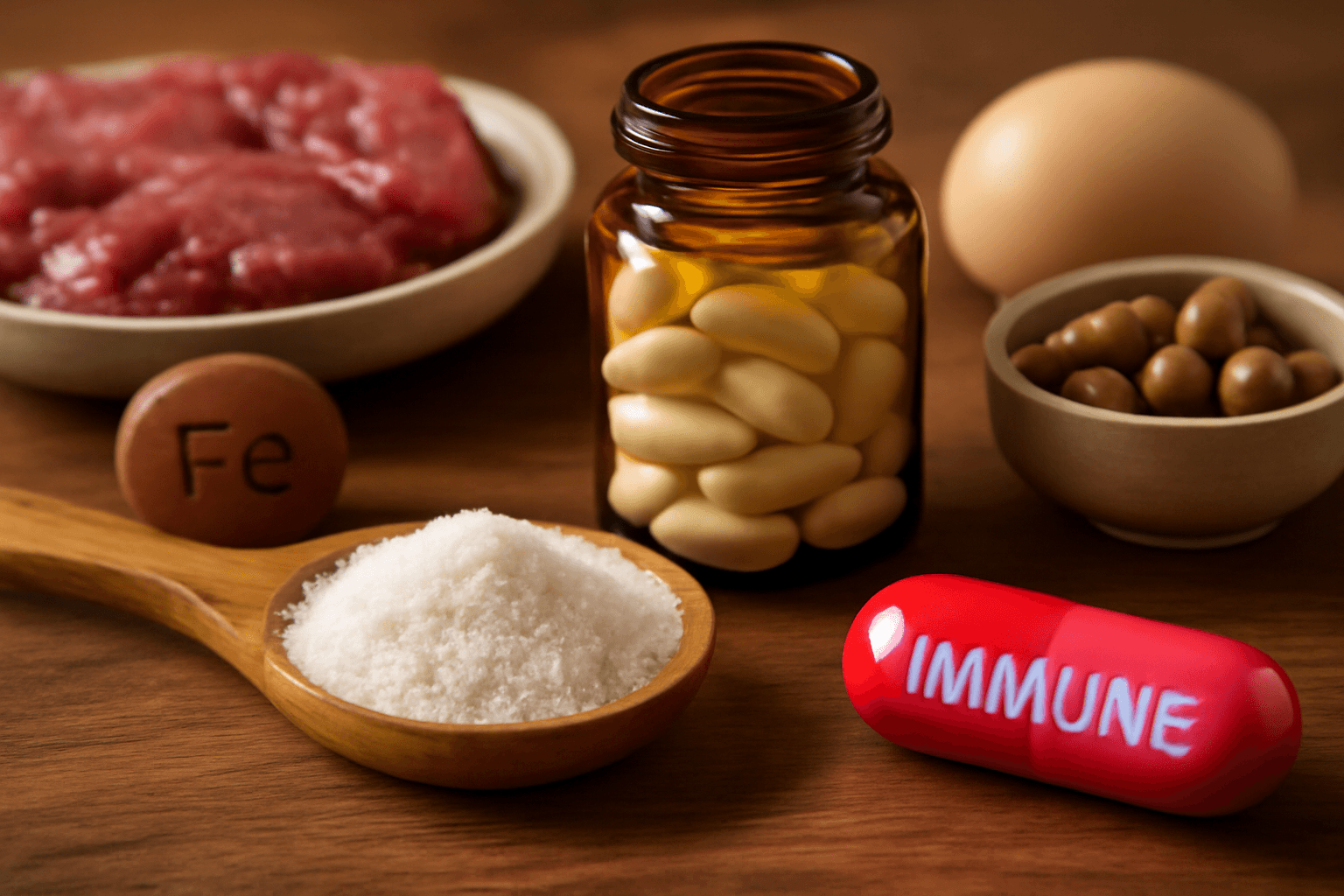
PEA is naturally found in certain foods. Eggs (especially egg yolks) contain approximately 0.3mg of PEA per 100g, which means eggs are an excellent source of PEA. Eggs are also rich in BCAAs (branched-chain amino acids) and protein, which help with muscle recovery and sleep quality improvement. Peanuts and tree nuts are also important sources of PEA, with almonds, walnuts, and cashews containing particularly high amounts.
Other foods containing PEA include dairy products (cheese, yogurt), meat (especially beef), and fish. Red meat high in iron is simultaneously rich in PEA, allowing you to achieve both anemia prevention and neuroprotection. However, it's difficult to maintain optimal PEA levels through food alone in modern diets. Particularly for people with chronic pain or inflammation, PEA demand in the body increases, so supplementation in nutritional supplement form can be helpful. PEA supplements are typically sold in doses of 300-600mg, and consultation with a healthcare professional before use is recommended.
Health Benefits of PEA
The health benefits of PEA are very extensive. Most notably, the effects stand out in immune system enhancement. In recent research, the group taking PEA had a 3-5 day reduction in cold symptom duration compared to the control group, and antibody production capacity improved by approximately 23%. This is because PEA promotes T cell and B cell activation.
Stress relief is also an important benefit of PEA. In chronic stress states, the body secretes excessive cortisol, and PEA calms the nervous system to lower cortisol levels. In animal experiments, the PEA-treated group showed an average 31% decrease in stress hormone levels, and anxiety behaviors also significantly decreased.
Sleep quality improvement is also noteworthy. PEA calms excessive excitement in the nervous system and indirectly supports melatonin secretion. It is more effective when taken with BCAAs, and over 85% of users reported improvements in sleep depth.
Antioxidant action cannot be overlooked. As a powerful antioxidant, PEA neutralizes free radicals to prevent cell damage. This contributes to delayed skin aging, protection of cognitive function, and prevention of chronic diseases.
Pain and Inflammation
The most well-known benefit of PEA is chronic pain relief. In clinical trials with patients suffering from various forms of chronic pain such as lower back pain, cervical pain, and neuropathic pain, those taking 600mg of PEA twice daily showed an average 45% decrease in pain scores after 8 weeks. The effect was particularly pronounced in pain resulting from nervous system damage (for example, diabetic neuropathy).
Reduction in inflammation markers has also been confirmed. Blood test results show that after PEA intake, major inflammatory cytokine levels such as IL-6 and TNF-α decreased significantly. This suggests potential as an auxiliary therapeutic agent for patients with inflammatory diseases such as rheumatoid arthritis, Crohn's disease, and ulcerative colitis. However, if you have these conditions, you must consult with your physician before starting PEA supplementation.
Interestingly, PEA regulates both acute and chronic inflammation. It is also effective for acute inflammation from muscle damage after exercise, which is increasingly attracting attention among athletes as a recovery aid supplement.
Joint Health
PEA plays a special role in osteoarthritis management. It reduces inflammation in joint cartilage and synovial membrane, alleviating pain and stiffness. In a clinical study of 100 knee osteoarthritis patients given 600mg of PEA over 12 weeks, the pain index decreased by an average of 52%, and the range of motion (ROM) also improved significantly.
PEA's joint protection mechanism works in two ways. First, PEA inhibits the activity of cartilage-degrading enzymes, preventing cartilage damage. Second, by reducing inflammation in the synovial membrane, it normalizes synovial fluid production. As a result, the cushioning function of the joint is restored.
Particularly for those over 50 or with a history of joint injury, preventive PEA intake can be helpful. However, if severe arthritis is already present, PEA alone is not sufficient, so it must be combined with physical therapy, exercise, and medical intervention if necessary. Additionally, if iron deficiency is present, joint health will deteriorate further, so iron level testing followed by iron supplementation if needed should also be considered.
Summary
Palmitoylethanolamide (PEA) goes beyond being a simple nutritional component; it is a biochemical regulator that supports our body's natural defense and recovery systems. While it can be naturally consumed through foods such as eggs, nuts, and meat, in modern diets and situations of chronic stress/inflammation, additional intake in supplement form can be beneficial.
The key benefits of PEA are:
- Neuroprotection: Calms the nervous system and prevents nerve damage.
- Pain and inflammation relief: Approximately 45% pain reduction reported in chronic pain patients
- Joint health: Cartilage protection and improved joint lubrication
- Immune enhancement: Approximately 23% improvement in antibody production capacity
- Stress and sleep improvement: Indirect effects through nervous system stabilization
- Antioxidant action: Prevention of cell damage and delayed aging
Medical Cautions: PEA is safe for most people, but professional medical consultation is essential if you are taking immunosuppressants or have autoimmune diseases. Additionally, there is a possibility of interaction with certain medications (especially blood thinners), so you must inform your healthcare provider if you are currently taking any medications. PEA supplements are classified as dietary supplements, so they cannot be used for disease treatment purposes like pharmaceuticals. It is important to determine the appropriate dosage based on each individual's health status and needs.