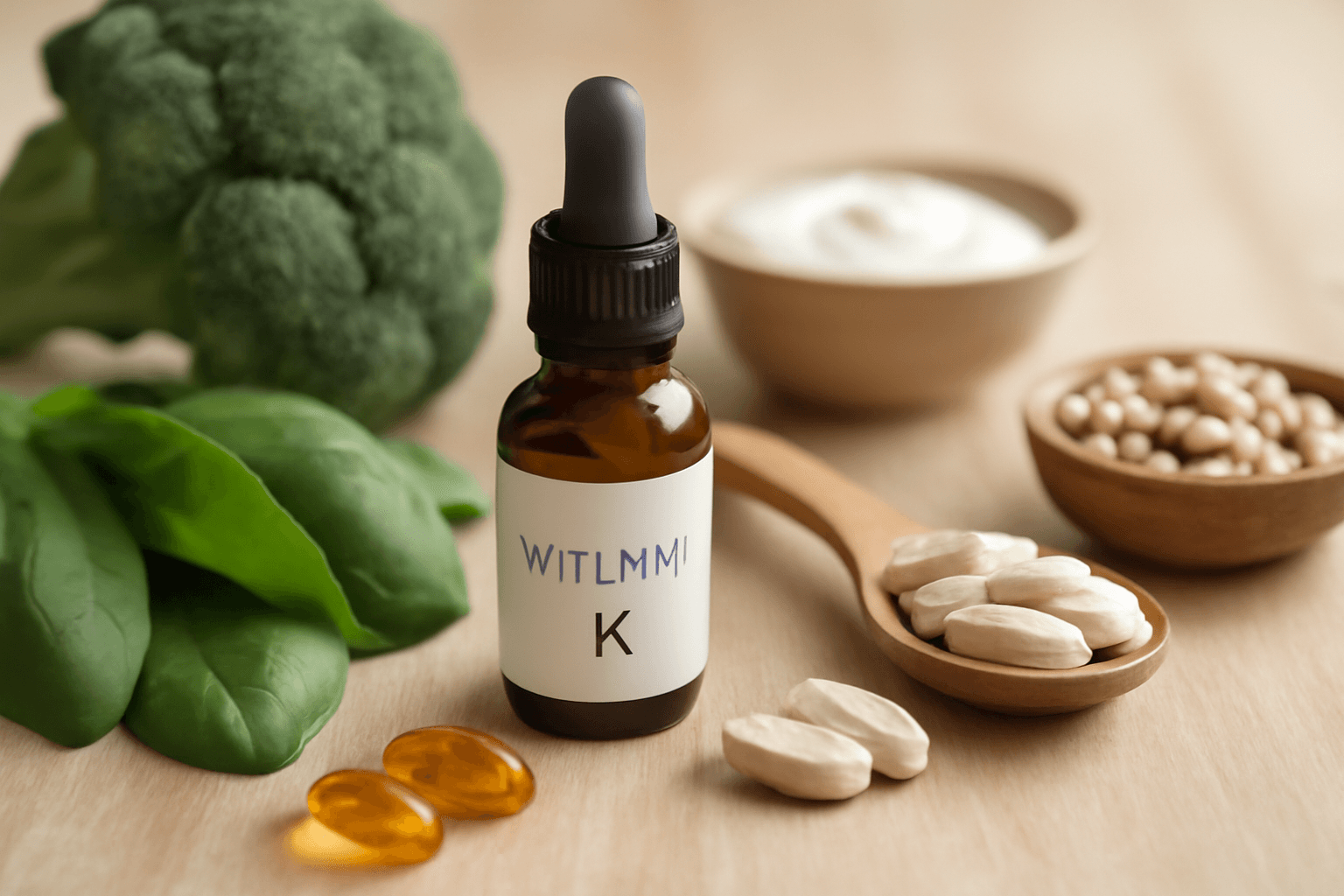
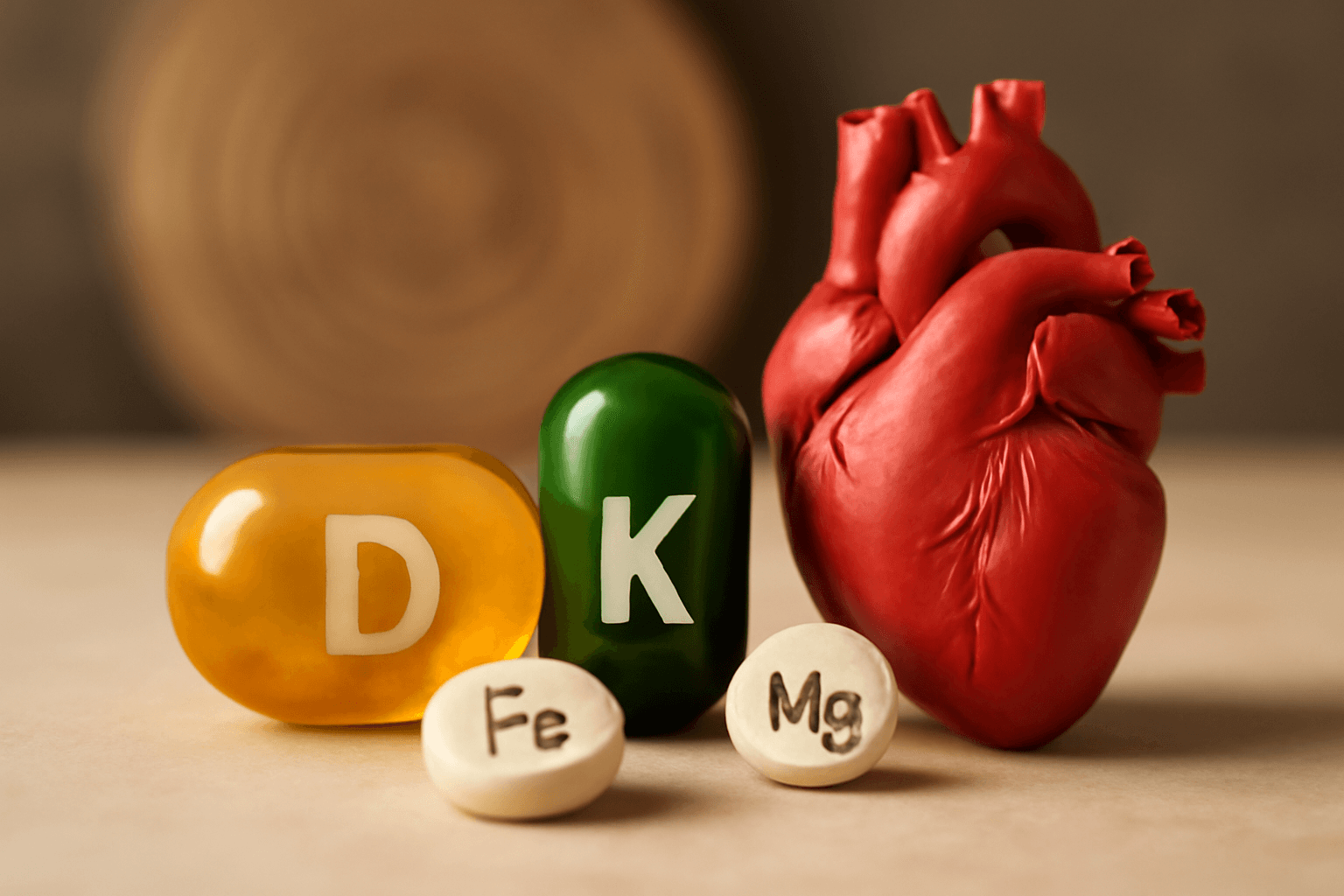
Vitamin K is an essential nutrient responsible for blood clotting and bone health in our bodies. Vitamin K, which maintains heart health, promotes calcium absorption, and provides antioxidant benefits, can be sufficiently obtained through everyday dietary management. We'll take a detailed look at the importance and effectiveness of this nutrient, which is abundantly found in fermented foods and green vegetables, as well as effective intake methods and supplement and topical products.
Functions of Vitamin K
Vitamin K performs three key roles in the human body. First, it regulates the synthesis of blood clotting factors to prevent bleeding. When our body sustains a wound, vitamin K plays a crucial role in activating clotting factors such as prothrombin during the blood coagulation and hemostasis process.
Second, it promotes bone health and calcium absorption. Vitamin K regulates the production of a protein called osteocalcin, which binds calcium to the bone matrix. As we age, bone density decreases, and adequate vitamin K intake is highly effective in preventing osteoporosis. In fact, research on women showed that bone density in the group with high vitamin K intake was up to 25% higher than in the group with low intake.
Third, it protects cardiovascular health. Vitamin K prevents calcium deposits in blood vessel walls to prevent arteriosclerosis and reduce the risk of heart disease. It prevents abnormal calcium accumulation in blood vessels near the heart and maintains smooth blood flow. Additionally, vitamin K acts as an excellent antioxidant to prevent cell damage and strengthen immunity.
Types of Vitamin K
Vitamin K is broadly classified into two forms.
Vitamin K1 (Phylloquinone)
K1, known as plant-based vitamin K, is synthesized in the chloroplasts of plants. It is found in the highest amounts in green vegetables, broccoli, spinach, kale, and other foods we consume daily. Vitamin K1 is specialized in activating blood clotting factors in the liver and is rapidly absorbed by the body but not accumulated, so regular intake is necessary.
Vitamin K2 (Menaquinone)
K2, known as bacterial vitamin K, is primarily found in fermented foods and animal-based foods. It is found in fermented foods rich in probiotics such as cheese, miso, yogurt, kimchi, and natto (fermented soybeans). Unlike K1, vitamin K2 accumulates in the body and works longer, and is known to be more effective for bone and vascular health. In particular, K2 in the form of MK-7 has high bioavailability and is frequently used in health supplements.
Foods Containing Vitamin K
Vitamin K is abundantly found in many foods around us.
K1-Containing Foods
- Kale: approximately 145μg per 100g (145% of daily recommended amount)
- Spinach: approximately 145μg per 100g
- Broccoli: approximately 102μg per 100g
- Parsley: approximately 246μg per 100g
- Cabbage: approximately 82μg per 100g
- Lettuce: approximately 110μg per 100g
- Beet greens: approximately 483μg per 100g
- Asparagus: approximately 91μg per 100g
K2-Containing Foods
- Natto: approximately 1,000μg per 100g (highest content)
- Cheese: approximately 50–76μg per 100g depending on type
- Miso: approximately 29μg per 100g
- Kimchi: approximately 4–5μg per 100g
- Yogurt: approximately 0.3–1μg per 100g
- Egg yolk: approximately 76μg per 100g
- Butter: approximately 15μg per 100g
The daily recommended amount of vitamin K for adults is 120μg for men and 90μg for women. For example, just a handful of spinach (30g) can meet about 50% of daily needs, so everyday dietary management alone is sufficient.
How to Increase Vitamin K Intake Through Diet
Several practical methods can be used to effectively obtain vitamin K.
Daily Green Vegetable Consumption
The simplest method is to include sufficient green vegetables in one meal every day. Simply adding spinach to a breakfast salad or serving broccoli and kale at lunch can meet most of your vitamin K needs. Remember that cooked vegetables have higher vitamin K absorption rates than raw vegetables. The heating process breaks down cell walls, making nutrients easier to absorb.
Combination with Fermented Foods
You can naturally obtain K2 by regularly consuming fermented foods rich in probiotics. Drinking miso soup at lunch or dinner, or having kimchi as a side dish, is a good approach. This simultaneously improves digestive health and increases overall nutrient absorption efficiency.
Intake with Fat
Since vitamin K is a fat-soluble vitamin, it should be consumed with fat to be well absorbed. Spinach salad dressed with olive oil, broccoli served with avocado, and stir-fried vegetables with eggs are effective options. Consuming calcium, another nutrient, together creates a synergistic effect on bone health.
Regular Yoga Practice
Physical activity promotes bone health and blood circulation. Yoga, a low-intensity exercise, is an excellent activity that complements vitamin K function. Yoga stretching movements increase blood vessel flexibility, and regular strength training stimulates increased bone density. When combining vitamin K intake with physical activity, the benefits for heart health and bone strengthening are maximized.
Supplementing Vitamin K
Generally, if you maintain a balanced diet, you need not worry about vitamin K deficiency. However, supplements can be helpful in certain situations.
When Vitamin K Supplements Are Needed
- Long-term antibiotic users: Taking antibiotics that kill intestinal bacteria for extended periods reduces K2 production.
- People with absorption disorders: Those with digestive conditions such as Crohn's disease, ulcerative colitis, and cystic fibrosis
- Those at risk for osteoporosis: Postmenopausal women or elderly individuals
- For cardiovascular disease prevention purposes: Additional intake may be needed under a doctor's judgment
- Anticoagulant (Warfarin) users: Intake is only possible under medical supervision
Supplement Selection and Dosage
Vitamin K supplements sold on the market are primarily in the form of K1 or K2 (MK-7). K2 has a higher absorption rate in the body but tends to be more expensive. Typical supplement dosages range from 100–500μg for K1 and 45–180μg for K2. It is important to consult with a healthcare professional and choose a product that suits your diet and health status.
Caution: If you are taking anticoagulants such as Warfarin or Dabigatran, sudden changes in vitamin K intake can affect the efficacy of the medication, so be sure to consult with your doctor.
Vitamin K Cream
Recently, vitamin K has gained attention in the beauty industry as a skincare ingredient.
Skincare Benefits of Vitamin K
Vitamin K creams and essences are primarily developed to improve dark circles under the eyes. The area under the eyes has thin skin with well-developed blood vessels, and it darkens when blood circulation is poor. Vitamin K improves blood clotting and vascular health to promote blood flow, consequently alleviating dark circles.
Additionally, vitamin K acts as an antioxidant to assist in skin anti-inflammation. It alleviates skin irritation from acne, eczema, psoriasis, and other conditions, and promotes recovery from skin damage. By assisting protein synthesis in the cell regeneration process, it is also effective in improving skin elasticity.
Usage and Precautions
Vitamin K cream is generally a low-irritation ingredient and can be used even on sensitive skin. However, individual skin reactions may vary, so when using for the first time, it is safe to test a small amount on the inside of your arm before applying it to your face. You can use it at the essence or cream stage in your morning and evening skincare routine. It's best to avoid using it together with other active ingredients (retinol, vitamin C, etc.) to reduce skin irritation.
While vitamin K cream can support skin health, it is only an external auxiliary means. Fundamental skin health comes from nutrient absorption and blood circulation within the body, so vitamin K intake through diet is most important.
Summary
Vitamin K performs three key functions: blood clotting, bone health, and cardiovascular protection. K1, abundant in green vegetables, and K2, found in fermented foods, are each optimized for their respective roles, and it is best to obtain both by consuming a variety of foods.
The key points for everyday diet are to consume sufficient green vegetables daily, eat fermented foods regularly, and consume them with fat. Combining light physical activity such as yoga further promotes bone health and blood circulation.
Supplements should only be used under medical guidance when there are specific conditions or absorption disorders. Especially if you are taking anticoagulants, you must consult with your doctor. Vitamin K cream for beauty purposes should also be used only as a supplementary tool, with priority given to internal nutritional intake.
Vitamin K deficiency is rare, but its importance is substantial. Through a balanced diet and regular lifestyle habits, you can naturally consume sufficient amounts and maintain long-term health and vitality.