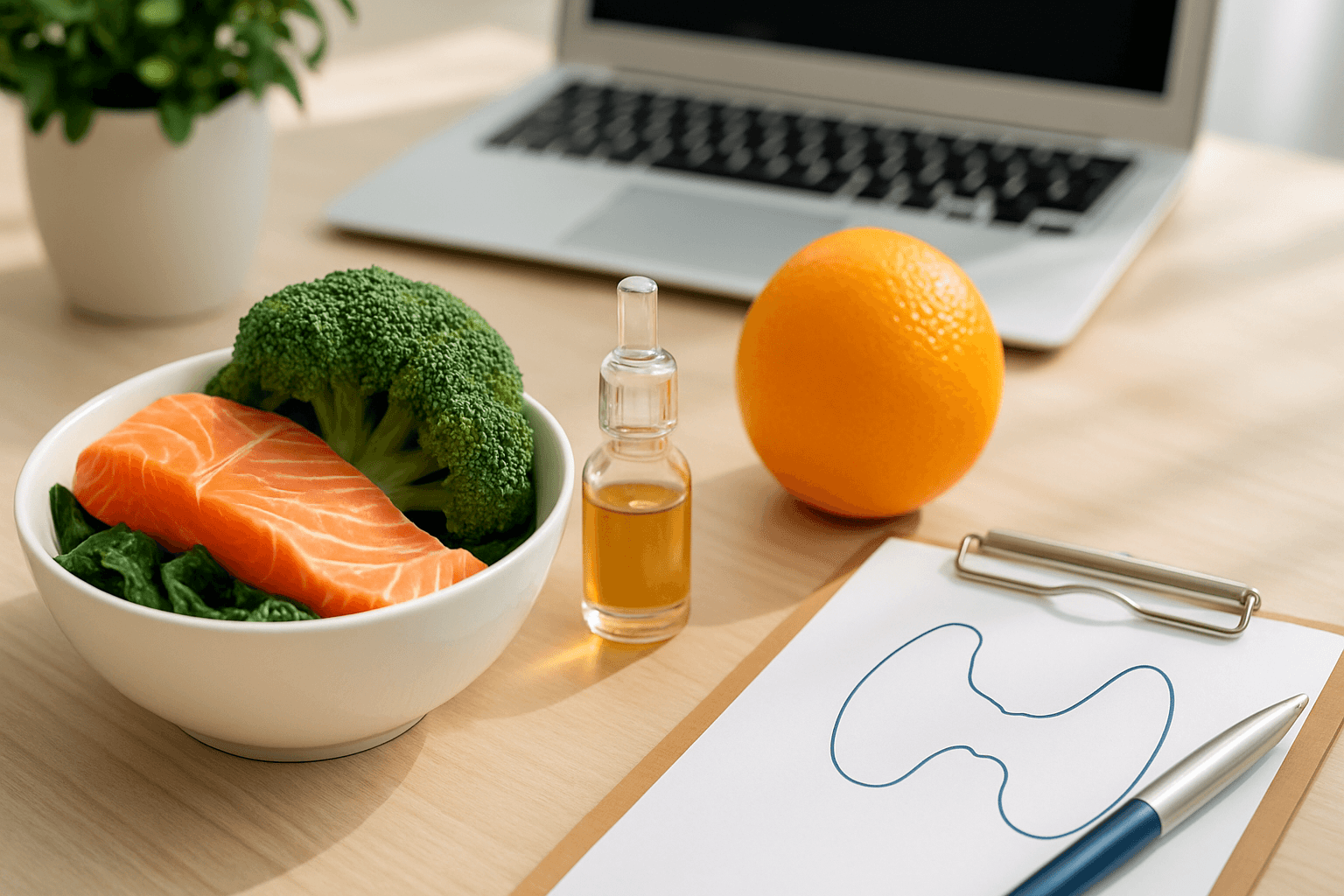
Understanding Hypothyroidism: Natural Treatment Approaches
Hypothyroidism affects approximately 4-10% of the global population, with women being five to eight times more likely to develop this condition than men, according to the American Thyroid Association. This metabolic disorder occurs when the thyroid gland fails to produce sufficient thyroid hormones (T3 and T4), leading to symptoms such as fatigue, weight gain, depression, and slowed metabolism. While pharmaceutical interventions like levothyroxine remain the standard treatment, emerging research supports complementary natural approaches that can enhance thyroid function when combined with medical supervision.
The Critical Role of Iodine in Thyroid Function
Iodine is an essential micronutrient that forms the structural basis of thyroid hormones. The thyroid gland requires approximately 150 micrograms (mcg) of iodine daily for optimal hormone synthesis. Despite its importance, iodine deficiency remains a significant global health concern, affecting an estimated 2 billion people worldwide, particularly in regions with iodine-poor soil.
Research published in the American Journal of Clinical Nutrition demonstrates that adequate iodine intake directly correlates with improved thyroid function and reduced hypothyroidism symptoms. Individuals with iodine deficiency experience up to 40% lower thyroid hormone production compared to those with sufficient intake.
Top Iodine-Rich Foods for Thyroid Health
- Seaweed and Sea Vegetables: Kelp, nori, and dulse contain 150-8,000 mcg of iodine per serving (3-5 grams). A single sheet of nori provides approximately 16-2,600 mcg, making it one of the most iodine-dense natural sources available.
- Fish and Seafood: Cod contains about 100 mcg per 100g (3.5 oz) serving, while shrimp provides 35 mcg per 100g. These sources also offer selenium and zinc, additional minerals crucial for thyroid peroxidase enzyme function.
- Eggs: One large egg contains approximately 16-20 mcg of iodine, depending on the hen's diet. Free-range and pasture-raised eggs typically contain higher iodine levels.
- Dairy Products: Milk contains about 145 mcg per 8 oz (240 ml) cup, while yogurt and cheese provide 75-200 mcg per serving, depending on the product.
- Prunes: A quarter-cup (60 ml) serving contains approximately 13 mcg of iodine, making dried fruits a convenient supplement option.
- Cranberries: Both fresh and dried cranberries provide 400 mcg per cup (240 ml) of juice, offering a palatable way to increase iodine consumption.
"Adequate iodine intake can improve TSH levels by an average of 30-50% in individuals with mild-to-moderate iodine deficiency hypothyroidism," according to research from the NIH's Thyroid Disease Clinical Research database.
Essential Minerals and Nutrients Beyond Iodine
Thyroid hormone production and conversion depend on multiple micronutrients working synergistically. Research from Oxford University indicates that deficiencies in selenium, zinc, and iron are present in 25-40% of hypothyroidism patients.
Key Supporting Nutrients
Selenium: This mineral activates selenoproteins, which regulate thyroid peroxidase—the enzyme responsible for incorporating iodine into thyroid hormones. The recommended daily intake is 55 mcg. Brazil nuts contain 96 mcg per ounce (28g), making them an excellent source. Sunflower seeds, mushrooms, and whole grains provide 25-50 mcg per serving.
Zinc: Zinc deficiency impairs thyroid function through multiple pathways, reducing TSH receptor sensitivity and thyroid hormone absorption. The recommended daily allowance is 11 mg for adult males and 8 mg for females. Oysters contain 74 mg per 100g, while beef, pumpkin seeds, and chickpeas provide 5-15 mg per serving.
Iron: Iron-dependent enzymes are essential for converting T4 to the active T3 form. Women aged 19-50 require 18 mg daily, while men require 8 mg. Red meat, lentils, and fortified cereals offer 2-28 mg per serving. However, iron supplementation should only occur under medical supervision, as excessive iron can damage thyroid tissue through oxidative stress.
Vitamin D: Epidemiological studies reveal that 50-90% of hypothyroidism patients present with vitamin D insufficiency. Vitamin D regulates immune tolerance and reduces anti-thyroid antibody production. Aim for 25-35 ng/ml (62.5-87.5 nmol/L) of serum 25-hydroxyvitamin D. Fatty fish, egg yolks, and fortified milk provide 400-1,000 IU per serving, though sun exposure remains the most efficient natural source (10-30 minutes of midday sun exposure generates approximately 10,000 IU).
Lifestyle Modifications for Optimal Thyroid Function
Stress Management and Sleep Quality
Chronic stress elevates cortisol levels, which suppresses TSH secretion and impairs T4-to-T3 conversion. A 2020 study in Psychoneuroendocrinology found that individuals with high perceived stress showed 35% lower free T3 levels. Implementing stress-reduction techniques such as meditation, yoga, or tai chi for 20-30 minutes daily can normalize cortisol rhythm and improve thyroid hormone sensitivity.
Sleep deprivation directly reduces TSH production and thyroid hormone secretion. Research from the American Academy of Sleep Medicine demonstrates that individuals sleeping fewer than six hours nightly have 25% higher rates of hypothyroidism diagnosis. Prioritize 7-9 hours of consistent sleep, maintaining a regular sleep schedule that aligns with circadian rhythm patterns.
Exercise and Physical Activity
Regular aerobic and resistance exercise enhances thyroid hormone receptor sensitivity and improves cellular utilization of T3. A meta-analysis published in Sports Medicine found that 150 minutes of moderate-intensity weekly exercise increased free T3 levels by approximately 20% in hypothyroid individuals. Walking, swimming, cycling, and strength training for 30-45 minutes, five days weekly, provides optimal benefits without overtaxing the endocrine system.
Gut Health Optimization
Approximately 20% of T4 depends on bacterial beta-glucuronidase enzyme activity for absorption and reabsorption in the enterohepatic circulation. A healthy microbiome improves thyroid hormone bioavailability by 30-40%. Consume fermented foods such as sauerkraut, kombucha, and kefir (containing 10-34 billion CFU per serving) and prebiotic-rich foods including garlic, onions, and asparagus to support beneficial bacterial populations.
Foods and Substances to Minimize
While goitrogenic foods (those containing compounds that interfere with iodine uptake) were historically considered problematic for hypothyroid individuals, modern research suggests they pose minimal risk when consumed cooked and iodine intake is adequate. However, limiting processed foods containing goitrogens without nutritional benefit remains prudent.
- Raw Cruciferous Vegetables: Broccoli, cauliflower, and kale contain isothiocyanates that competitively inhibit iodine uptake. Cooking for 5-10 minutes inactivates these compounds by 50-90%.
- Soy Products: Soy isoflavones may reduce iodine absorption in susceptible individuals. Consume separately from thyroid medication (maintain 4-hour spacing) and ensure adequate iodine intake (150+ mcg daily).
- Excessive Fluorine: Water fluoridation and non-stick cookware coating (PTFE) may inhibit iodine uptake in genetically predisposed individuals. Consider using ceramic or stainless steel cookware.
- Gluten (in Celiac/Sensitivity Cases): For individuals with celiac disease or non-celiac gluten sensitivity, gluten triggers intestinal permeability and anti-thyroid antibody production. Elimination can reduce TPO antibodies by 40-60%.
Supplement Considerations and Safety
While whole food sources remain optimal, certain individuals benefit from targeted supplementation under medical supervision. The cost of quality supplements ranges from $15-50 monthly.
Iodine Supplements: Potassium iodide tablets (150 mcg) serve as insurance against deficiency, though most dietary approaches suffice. Kelp supplements provide 150-3,000 mcg per tablet—verify the iodine content, as this varies significantly by harvesting location and processing methods.
Selenium Supplementation: L-selenomethionine (200 mcg daily) has demonstrated a 35% improvement in anti-thyroid peroxidase antibody reduction in autoimmune thyroiditis cases within 3-6 months, according to research in Thyroid Journal.
Important Caution: Supplement timing critically affects absorption. Take thyroid medication on an empty stomach, 30-60 minutes before breakfast. Iron, calcium, and magnesium supplements should be separated by at least 4 hours from thyroid medication, as they significantly impair absorption.
When to Seek Professional Medical Guidance
Natural approaches work optimally alongside conventional medical care. Schedule thyroid function testing (TSH, Free T4, Free T3, and anti-TPO antibodies) every 6-12 months to monitor treatment efficacy. If symptoms persist despite dietary modifications and lifestyle changes after 8-12 weeks, consult an endocrinologist or functional medicine practitioner to assess medication dosage adequacy or identify underlying absorption issues.
Hypothyroidism management requires a comprehensive, individualized approach. While pharmaceutical levothyroxine typically forms the foundation of treatment, the natural interventions outlined—particularly adequate iodine intake, mineral sufficiency, stress management, and sleep optimization—substantially enhance treatment outcomes and symptom resolution. By implementing these evidence-based strategies, individuals with hypothyroidism can achieve optimal thyroid function, improved energy levels, stable weight management, and enhanced overall quality of life.
Summary
Hypothyroidism affects millions worldwide, but natural treatment approaches can significantly complement standard medical care. The cornerstone of natural thyroid support involves consuming adequate iodine through foods like seaweed, fish, eggs, and dairy products (150 mcg daily minimum). Supporting minerals—selenium, zinc, iron, and vitamin D—are equally critical, with each playing distinct roles in hormone synthesis and conversion. Beyond nutrition, lifestyle modifications including stress management, quality sleep (7-9 hours nightly), regular exercise (150 minutes weekly), and gut health optimization enhance thyroid function by 20-40%. While goitrogenic foods pose minimal risk with adequate iodine intake and proper preparation, maintaining 4-hour spacing between thyroid medication and certain supplements ensures optimal absorption. Professional monitoring through regular thyroid testing remains essential to confirm treatment efficacy and adjust approaches as needed. This integrated strategy—combining conventional medical treatment with evidence-based natural interventions—provides the most effective pathway to achieving optimal thyroid health and symptom resolution.
Frequently Asked Questions
How long does it take for dietary changes to improve hypothyroidism symptoms?
Most individuals experience noticeable improvements in energy levels and cognitive function within 4-8 weeks of implementing comprehensive dietary and lifestyle modifications. However, optimal thyroid hormone stabilization typically requires 12-16 weeks, as this timeframe allows for metabolic adaptation and normalization of TSH feedback loops. Individual results vary based on baseline severity, medication dosage, and adherence to recommendations. Regular TSH testing at 6-week intervals helps track progress objectively.
Can iodine supplementation alone cure hypothyroidism?
Iodine supplementation addresses only iodine deficiency-related hypothyroidism, which represents approximately 30-40% of global cases. Primary autoimmune thyroiditis (Hashimoto's disease) accounts for 90% of hypothyroidism in iodine-sufficient regions and requires medication-based management alongside immune-modulating interventions. While adequate iodine intake is essential, it cannot reverse autoimmune thyroid destruction. However, combined with medication, proper iodine status optimizes hormone synthesis from remaining thyroid tissue.
Is it safe to consume seaweed daily for iodine intake?
Most seaweed varieties are safe for regular consumption, though iodine content varies dramatically (16-2,600 mcg per gram). Daily consumption exceeding 500-600 mcg increases risk of iodine-induced hypothyroidism through the Wolff-Chaikoff effect. Limit high-iodine seaweed (kelp) to 1-2 times weekly, while lower-iodine varieties like nori (seaweed sushi wrapping) can be consumed more frequently. Test iodine levels annually if consuming seaweed regularly, and maintain awareness that iodine-fortified salt may provide additional intake.
Can cruciferous vegetables damage thyroid function if consumed regularly?
Cooked cruciferous vegetables pose negligible risk when iodine intake is adequate (150+ mcg daily). The goitrogenic compounds in these vegetables inactivate 50-90% through cooking, and competitive inhibition of iodine uptake only becomes clinically significant in severe iodine deficiency states. Studies demonstrate no increased hypothyroidism incidence among populations consuming high quantities of cooked cruciferous vegetables with sufficient iodine intake. Raw consumption in excessive amounts (multiple raw salads daily) warrants caution in iodine-deficient individuals.
How do I know if my natural treatment approach is working?
Objective assessment requires laboratory testing of TSH, Free T4, and Free T3 levels every 6-12 months, with an initial test at 6-8 weeks to establish baseline response. Target TSH levels typically range from 0.5-2.5 mIU/L for most individuals, though optimal levels vary individually. Subjective improvements in energy, mental clarity, temperature regulation, and mood usually precede laboratory normalization by 2-4 weeks. Maintain a symptom diary documenting energy levels, weight changes, and mood to track non-laboratory progress between testing appointments.