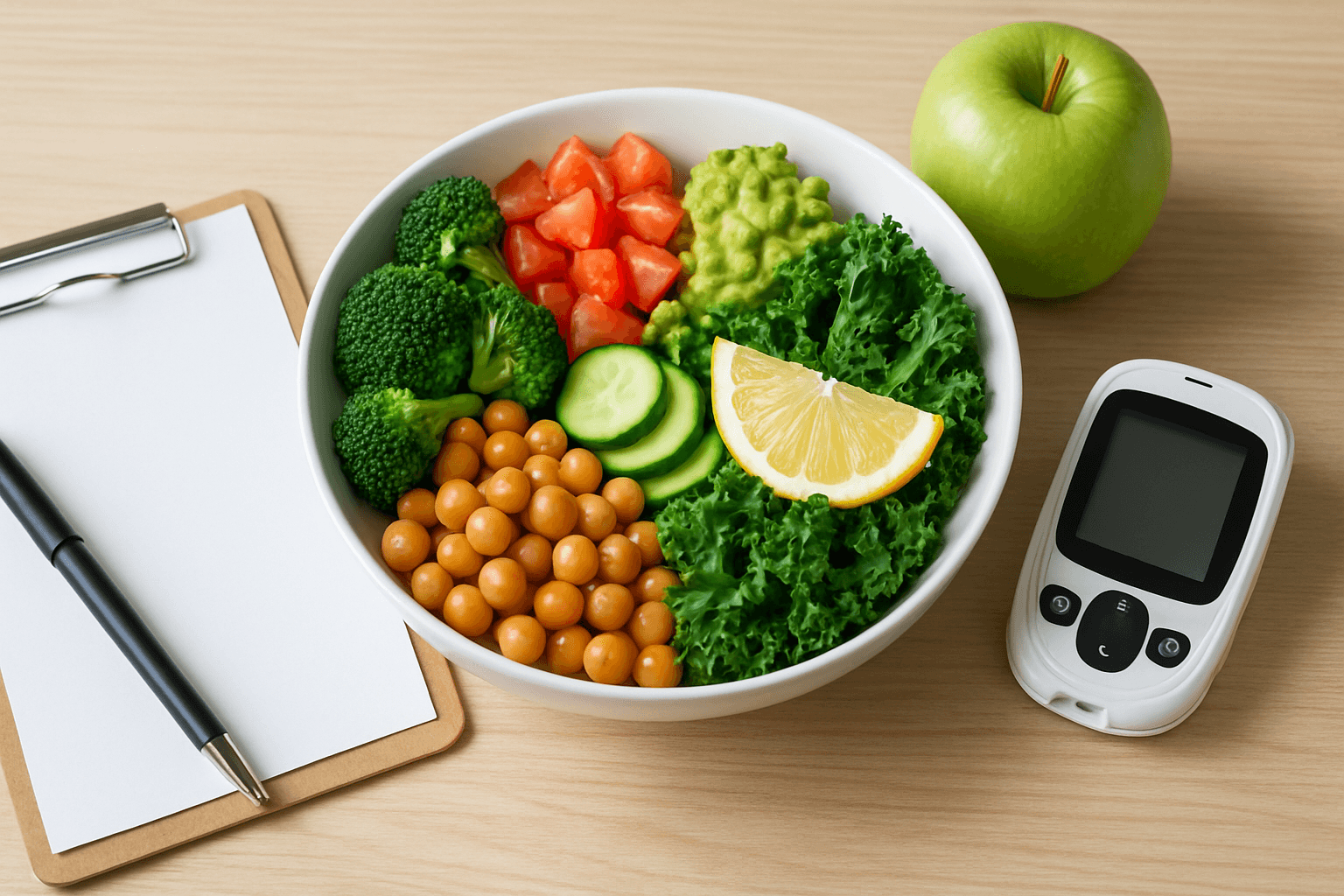
Understanding Blood Sugar Spikes and Why They Matter
Blood sugar spikes occur when glucose levels rise rapidly after consuming food, particularly those high in refined carbohydrates and sugars. According to research from the American Diabetes Association, these sudden fluctuations can increase your risk of developing type 2 diabetes, cardiovascular disease, and metabolic syndrome. When blood sugar spikes, your pancreas releases large amounts of insulin to regulate glucose levels, which can eventually lead to insulin resistance if this pattern repeats frequently.
A study published in the journal Nutrients (2022) found that individuals who experienced frequent blood sugar spikes had a 26% higher risk of cardiovascular events compared to those with stable glucose levels. The good news? You can prevent these spikes by choosing low glycemic index (GI) foods that release glucose slowly and steadily into your bloodstream.
What Is the Glycemic Index and How Does It Work?
The Glycemic Index is a measure of how quickly foods raise blood glucose levels after consumption, ranked on a scale of 0 to 100. Foods with a GI below 55 are considered low glycemic, 56-69 are medium, and 70 or above are high glycemic. The lower the GI value, the slower the digestion and glucose absorption, resulting in more stable blood sugar levels.
Research from Harvard's School of Public Health demonstrates that following a low glycemic index diet can help you:
- Maintain steady energy levels throughout the day
- Improve weight management and reduce cravings
- Decrease inflammation markers in the body
- Enhance mental clarity and focus
- Reduce the risk of type 2 diabetes by up to 37%
It's important to note that the Glycemic Index should not be your only consideration—portion size, fiber content, and overall nutritional value also play crucial roles in managing blood sugar.
10 Best Low Glycemic Index Foods to Stabilize Your Blood Sugar
1. Steel-Cut Oats (GI: 42)
Steel-cut oats are minimally processed whole grains with high soluble fiber content. Unlike instant oatmeal, they take longer to digest, providing sustained energy release. A 50-gram (1.75 oz) serving contains approximately 8 grams of fiber, which slows glucose absorption. Research from the Journal of Nutrition and Metabolism shows that eating steel-cut oats for breakfast reduces mid-morning blood sugar spikes by approximately 15% compared to refined grain cereals.
2. Legumes: Lentils and Chickpeas (GI: 21-28)
Legumes rank among the lowest glycemic foods available. One cup (240 ml) of cooked lentils contains 18 grams of protein and 15 grams of fiber, making them exceptionally beneficial for blood sugar control. According to the American Journal of Clinical Nutrition, consuming legumes regularly can improve long-term blood sugar control and reduce HbA1c levels by up to 0.5%, which is clinically significant for diabetes management.
3. Leafy Greens: Spinach, Kale, and Broccoli (GI: 0-15)
Non-starchy vegetables have virtually no impact on blood glucose levels. Leafy greens contain minimal carbohydrates while being rich in magnesium, a mineral that plays a critical role in glucose metabolism. A meta-analysis published in BMJ Open found that consuming three to five servings of leafy greens daily reduced the risk of type 2 diabetes by 14%.
4. Berries: Blueberries and Strawberries (GI: 25-40)
Berries are among the lowest-sugar fruits available. A 100-gram (3.5 oz) serving of blueberries contains only 10 grams of carbohydrates and 2.4 grams of fiber. These fruits are rich in anthocyanins, powerful antioxidants that research shows can improve insulin sensitivity. A study from the University of East Anglia found that consuming one serving of berries daily reduced type 2 diabetes risk by 23%.
5. Nuts and Seeds: Almonds and Flaxseeds (GI: 0-15)
A 30-gram (1 oz) handful of almonds contains 3.5 grams of fiber and only 6 grams of digestible carbohydrates. The high fat and protein content slows gastric emptying, preventing rapid glucose spikes. Research published in Nutrition Reviews indicates that consuming tree nuts five or more times weekly reduces metabolic syndrome risk by 28%.
6. Greek Yogurt (GI: 11)
Unsweetened Greek yogurt contains about 10 grams of protein per 100 ml (3.4 oz), which supports satiety and stable blood sugar. The probiotics in yogurt may also improve gut health, which recent research suggests plays a role in metabolic regulation. Choose plain varieties without added sugars—flavored versions can contain up to 15 grams of sugar per serving.
7. Sweet Potatoes (GI: 63)
While slightly higher than some options, sweet potatoes still fall into the medium-low category when prepared properly. One medium sweet potato (103 grams/3.6 oz) contains 24 grams of carbohydrates and 3.9 grams of fiber. The key is pairing them with protein and healthy fats—research shows that consuming sweet potato with olive oil reduces the glycemic response by approximately 30% compared to eating it alone.
8. Fish and Lean Proteins: Salmon and Chicken (GI: 0)
Protein sources have no direct impact on blood glucose but are essential for balanced meals. A 100-gram (3.5 oz) serving of salmon provides 20 grams of protein and omega-3 fatty acids, which have been shown to improve insulin sensitivity. The NIH recommends including protein sources at every meal to moderate blood sugar responses.
9. Whole Grain Bread (GI: 51-68)
Look for bread made from intact whole grains rather than whole wheat flour. The grain structure slows digestion significantly. Studies show that sourdough fermentation further reduces the glycemic response by up to 20% due to organic acid production during fermentation.
10. Avocados (GI: 15)
One medium avocado contains 12 grams of healthy monounsaturated fats and only 8.6 grams of net carbohydrates (total carbs minus fiber). The high fiber and fat content means minimal impact on blood sugar. Research from the Nutrition Journal shows that adding avocado to meals can reduce the overall glycemic response by up to 40%.
Practical Strategies for Preventing Blood Sugar Spikes
Combine Foods Strategically: The glycemic impact of a meal depends on the entire combination. Pairing carbohydrates with protein and healthy fats significantly reduces the glucose response. A study in Nutrition & Metabolism found that adding 20 grams of almonds to a white bread meal reduced the glycemic spike by 45% compared to eating bread alone.
Eat in the Right Order: Research from Weill Cornell Medicine suggests that consuming vegetables and proteins before carbohydrates can reduce blood sugar spikes by up to 73%. The fiber and protein consumed first help slow carbohydrate absorption.
Practice Portion Control: Even low GI foods can contribute to blood sugar elevation if consumed in excessive quantities. The American Diabetes Association recommends filling half your plate with non-starchy vegetables, one-quarter with lean protein, and one-quarter with whole grains or starchy vegetables.
Add Movement After Meals: A 2015 study published in Diabetologia found that just 3 minutes of light walking or 15 seconds of intense activity after eating reduced blood sugar spikes by up to 30%. Muscle contractions increase glucose uptake without requiring insulin.
Common Mistakes to Avoid When Managing Blood Sugar
Many people make the mistake of consuming "healthy" foods without considering portion sizes or combining foods improperly. For example, a bowl of steel-cut oats (about 100 grams or 3.5 oz) without protein can still cause a moderate blood sugar spike. Add an egg or Greek yogurt to create a balanced meal.
Another common error is relying solely on glycemic index without considering overall nutritional value. Some low GI foods lack essential nutrients, while some higher GI foods offer significant health benefits when consumed properly. Focus on whole foods and nutrient density rather than GI numbers alone.
Additionally, many commercial "whole grain" or "low sugar" products contain hidden sugars and refined ingredients. Check nutrition labels carefully—look for products where fiber is at least 3 grams per serving and added sugars are minimal (preferably under 5 grams per serving).
Creating Your Personalized Low Glycemic Meal Plan
Everyone's blood sugar response varies based on genetics, physical activity level, gut microbiome, and metabolic health. Consider tracking your blood glucose response using a continuous glucose monitor (about $300-500 USD for a 14-day supply) to understand your personal thresholds. This personalized data can guide your food choices more effectively than general guidelines.
A typical low glycemic daily meal plan might look like:
- Breakfast: Steel-cut oats with almonds and blueberries
- Snack: Greek yogurt with chia seeds
- Lunch: Grilled salmon with roasted sweet potato and leafy greens dressed with olive oil
- Snack: Apple with almond butter
- Dinner: Baked chicken with lentil soup and steamed broccoli
When to Consult Healthcare Professionals
If you have a family history of diabetes, experience frequent energy crashes, or have been diagnosed with prediabetes or diabetes, consult with a registered dietitian or endocrinologist. They can provide personalized guidance based on your medical history and blood work. The American Diabetes Association recommends HbA1c testing (measures average blood sugar over 3 months) at least annually for those at risk.
Blood glucose monitoring is particularly important if you're taking medications that affect blood sugar or if you're making significant dietary changes. Your healthcare provider can help you set realistic targets and track your progress.
Summary
Preventing blood sugar spikes is one of the most effective strategies for maintaining long-term health, managing weight, and reducing chronic disease risk. By incorporating low glycemic index foods like steel-cut oats, legumes, leafy greens, berries, nuts, and lean proteins into your diet, you can stabilize glucose levels and maintain consistent energy throughout the day.
The key to success is not perfection but sustainability. Focus on eating whole, minimally processed foods, combining macronutrients strategically, and building a personalized approach based on how your body responds to different foods. Remember that the glycemic index is a tool to guide your choices, not a rigid set of rules. Include movement after meals, stay hydrated, and manage stress—all of which contribute to better blood sugar control. By making these evidence-based changes, you'll notice improvements in energy levels, mental clarity, and overall health within just a few weeks.
Frequently Asked Questions
Can I ever eat high glycemic index foods if I'm focused on blood sugar control?
Yes, you can enjoy higher glycemic foods occasionally by using strategic pairing techniques. Consuming them with protein, healthy fats, and fiber can significantly reduce their glycemic impact. For example, white rice with grilled chicken, vegetables, and olive oil produces a much lower blood sugar spike than rice alone. The key is balance and portion control rather than complete avoidance.
How long does it take to see improvements in blood sugar stability?
Most people notice improvements in energy levels and reduced cravings within 1-2 weeks of consistently following a low glycemic diet. However, significant changes in HbA1c (your 3-month average blood glucose) typically take 8-12 weeks to become apparent on standard blood tests. Continuous glucose monitors can show improvements within days.
Are artificial sweeteners a good alternative for preventing blood sugar spikes?
While artificial sweeteners don't directly raise blood glucose, emerging research suggests they may affect gut bacteria and insulin sensitivity over time. A 2022 study in Cell found that artificial sweeteners altered the gut microbiome in ways that impaired glucose control. Whole food sources and moderate use of sugar alternatives like stevia are preferable when possible.
Do I need to count carbohydrates to manage blood sugar effectively?
Not necessarily. While carbohydrate counting is useful for those with diabetes taking insulin, most people can manage blood sugar effectively by focusing on food quality, portion sizes, and proper food combining. However, if you have diabetes or prediabetes, working with a dietitian on carbohydrate awareness can be beneficial.
Can I still lose weight on a low glycemic diet?
Yes. In fact, low glycemic diets are often more effective for sustainable weight loss because they reduce hunger and cravings. A study published in the American Journal of Clinical Nutrition found that participants following a low GI diet lost more weight and maintained better lean muscle mass compared to those following a low-fat diet over 6 months.