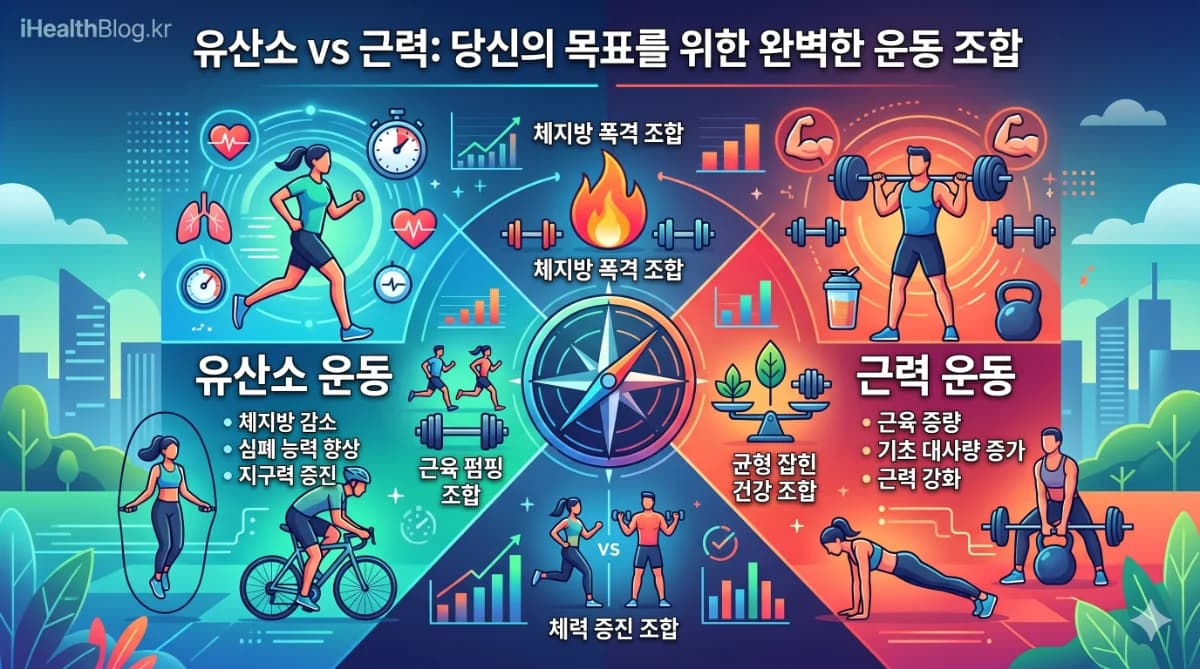
What are the Differences Between Aerobic and Strength Training?
One of the first questions people encounter when starting an exercise routine is, "Should I do aerobic exercise or strength training?" These two types of exercise provide completely different stimuli to the body and yield entirely different results. According to a 2023 study by the Korean Society of Sports Science, the exercise adherence rate for those who chose the right type of exercise for their goals was 73%, while it was only 38% for those who chose incorrectly.
Aerobic exercise refers to activities that use oxygen to produce energy, such as walking, running, swimming, and cycling. In contrast, strength training involves applying resistance to muscles, damaging and regenerating muscle fibers to increase strength and muscle mass.
Effects and Applications of Aerobic Exercise by Goal
Aerobic exercise is particularly effective for improving cardiovascular endurance and weight loss. According to data released by the Korean Medical Association, individuals who engaged in moderate aerobic exercise for more than 150 minutes a week (burning about 200-300 calories per hour) saw a 35% reduction in the risk of cardiovascular disease.
If Your Goal is Weight Loss
If you want to lose weight, prioritizing aerobic exercise is essential. A 30-minute jog can burn about 300-400 calories, which is more than the calories in a bowl of rice (about 200 calories). However, excessive aerobic exercise can lead to muscle loss, so caution is needed.
Aerobic Exercise Guidelines for Weight Loss
- 3 to 5 times a week, 40 to 60 minutes per session
- Maintain an intensity of 60-70% of maximum heart rate
- If possible, avoid exercising on an empty stomach in the morning and consume simple carbohydrates before exercising
If Your Goal is Improving Cardiovascular Endurance
High-Intensity Interval Training (HIIT) is effective for building cardiovascular endurance. Research from the Department of Sports Science at Seoul National University found that performing HIIT twice a week for 20 minutes increased VO₂max by 12-15%. It is more than three times as time-efficient as regular aerobic exercise.
For Blood Sugar Control and Metabolic Improvement
If your goal is to prevent diabetes or manage blood sugar levels, light aerobic exercise after meals is recommended. The Korean Diabetes Association advises taking a 10-15 minute light walk within 15 minutes after eating, which can lower blood sugar spikes by 30-40%.
Effects of Strength Training and Scientific Evidence
Strength training offers benefits beyond just building muscle. According to research from the American College of Sports Medicine (ACSM), individuals who perform resistance training twice a week or more have a 23% lower risk of premature death compared to those who do not.
Increased Muscle Mass and Improved Basal Metabolic Rate
One kilogram of muscle burns about 6-7 calories per day. By increasing muscle mass by 5 kg through strength training, you can burn an additional 900-1,050 calories per month, making your body a more efficient energy consumer even at rest. This is very effective for long-term weight management.
Bone Health and Improved Bone Density
Strength training is especially essential for postmenopausal women and adults over 50. According to a survey by the Korean Osteoporosis Society, 30-40% of women over 50 experience osteopenia, a precursor to osteoporosis, and performing resistance training 2-3 times a week can increase bone density by 3-5%.
Hormonal and Mental Health Improvements
Strength training promotes the release of testosterone, growth hormone, and endorphins. A study from Yonsei University found that adults who engaged in strength training three times a week for 12 weeks saw a 41% reduction in depression symptoms, with self-esteem and quality of life improving by 35% and 29%, respectively.
Calorie Burn Comparison by Type of Exercise
Let’s find out which exercise is more efficient for the same time investment. For a person weighing 70 kg, the calorie burn per hour is as follows:
- Jogging (10 km/h): about 600 calories
- Swimming: about 550-700 calories (depending on swimming intensity)
- Cycling (moderate intensity): about 450-600 calories
- Strength Training (high intensity): about 300-400 calories (during exercise) + additional calories burned post-exercise
- HIIT: about 400-500 calories (high efficiency in a short time)
Interestingly, strength training has an 'afterburn' effect. For up to 48 hours post-exercise, your basal metabolic rate remains elevated, leading to additional calorie burn. It is reported that high-intensity strength training can result in an extra burn of 800-1,000 calories.
Optimal Exercise Combination Strategies by Goal
Quick Weight Loss Goal (1-3 months)
If you want noticeable results in a short time, a combination of 70% aerobic exercise + 30% strength training is recommended.
- Monday, Wednesday, Friday: Strength training (45 minutes each)
- Tuesday, Thursday: Aerobic exercise (60 minutes each)
- Saturday: HIIT or moderate aerobic (30-40 minutes)
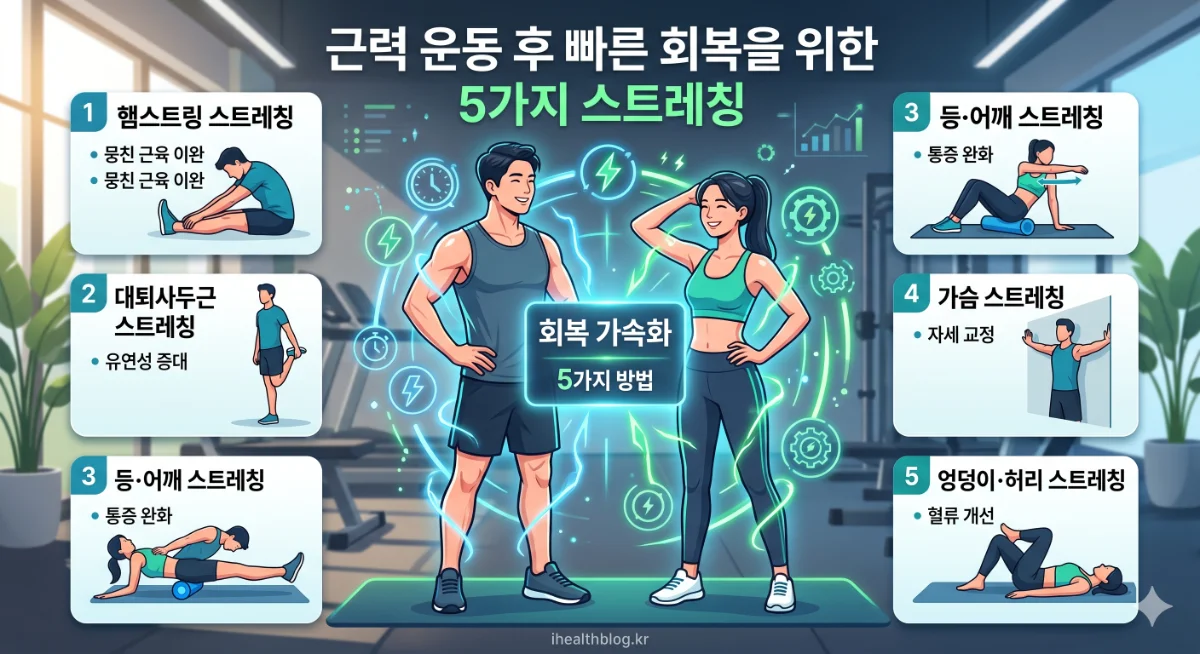
- Sunday: Complete rest or light stretching
This approach can create a weekly calorie deficit of about 3,500-4,000 calories, leading to a weight loss of about 3-4 kg per month (individual variations apply).
Long-Term Body Shape Improvement Goal (3-6 months or more)
For sustainable and healthy body changes, a balanced combination of 50% strength training + 50% aerobic exercise is ideal.
- Monday, Wednesday, Friday: Strength training (60 minutes each) - split by body part
- Tuesday, Thursday: Moderate aerobic exercise (45 minutes each)
- Saturday: Long-duration low-intensity aerobic or sports (60-90 minutes)
This method minimizes muscle loss while reducing fat, leading to a 'toned' body.
Goal of Increasing Strength and Muscle Mass
If your goal is to bulk up (increase muscle), focus on 80% strength training + 20% light aerobic exercise.
- Monday, Wednesday, Friday: High-intensity strength training (75-90 minutes each)
- Tuesday, Thursday: Very light aerobic or active recovery (20-30 minutes)
- Saturday, Sunday: Rest or light stretching
Note
To increase muscle through strength training, adequate protein intake is essential. You need 1.6-2.2g of protein per kg of body weight per day, which means a person weighing 70 kg should consume 112-154g daily.
Goal of Maintaining Health and Prevention
To maintain a healthy and vibrant life, a combination of 40% strength training + 40% aerobic exercise + 20% flexibility training is recommended.
- Monday, Thursday: Moderate strength training (45 minutes each)
- Tuesday, Friday: Moderate aerobic exercise (45 minutes each)
- Wednesday, Saturday: Yoga, Pilates, or stretching (50-60 minutes each)
This approach meets the Korean Medical Association's recommendation of 150 minutes of moderate aerobic exercise per week and strength training twice a week.
Beginner's Starting Guide
If you have no exercise experience, it’s important to avoid overly ambitious workout plans that could lead to injuries or stopping altogether.
First 4 Weeks: Adaptation Phase
Invest 90 minutes a week, 3 times (60 minutes aerobic + 30 minutes strength)
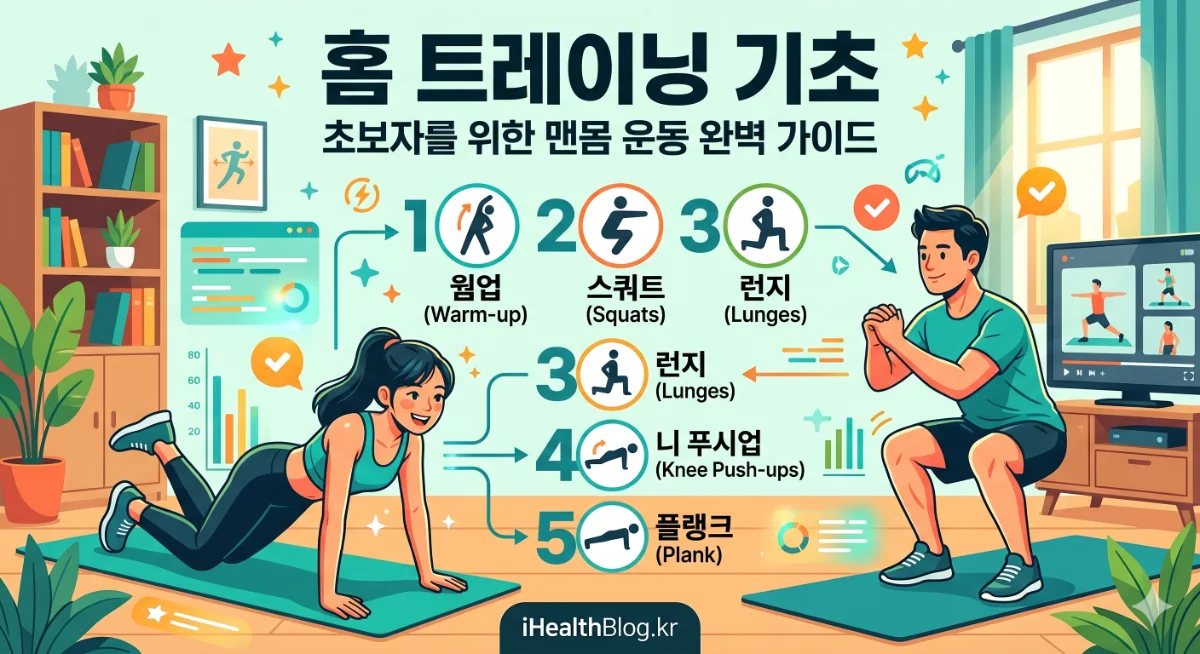
- Monday: Light walk or slow jog (30 minutes) + bodyweight exercises (15 minutes)
- Wednesday: Strength training (light weights, 30 minutes)
- Friday: Light walk or slow jog (30 minutes)
- Saturday: Yoga or stretching (20-30 minutes)
During this period, focus on consistency rather than intensity. Completing workouts 3 times a week for 4 consecutive weeks will help make exercise a habit.
Weeks 5-12: Strengthening Phase
As your body adapts to basic exercises, gradually increase the intensity and frequency.
- Increase aerobic exercise intensity to 55-65% of maximum heart rate
- Increase strength training weights by 10%
- Expand to 4 workouts per week
Common Mistakes and Solutions
Mistake 1: Continuing Only Aerobic Exercise
Result: Initial weight loss, but plateau after 3-4 months (due to muscle loss and metabolic slowdown)
Solution: Add strength training at least twice a week
Mistake 2: Too Frequent High-Intensity Workouts
Result: Fatigue, injuries, and decreased motivation due to overtraining syndrome
Solution: Limit high-intensity workouts to 1-2 times a week; adjust the rest to moderate intensity
Mistake 3: Ignoring Diet While Exercising
Result: Weight loss stalls or increases despite exercising
Solution: Recognize that 70% of exercise effectiveness depends on diet; focus on a protein-centered diet
Mistake 4: Maintaining the Same Exercise Intensity Without Considering Individual Differences
Result: Some experience excessive stimulation, while others receive insufficient stimulation
Solution: Adjust based on subjective exercise intensity (RPE: 5-8 on a scale of 0-10)
Measuring and Monitoring Exercise Performance
To objectively assess exercise effectiveness, regular measurements are necessary.
- Weight and Body Composition: Once a month (preferably at the same time and under the same conditions)
- Measurements: Once a month (waist, hips, arms, legs)
- Improvements in Exercise Ability: Once a month (jogging time, weight lifted, hold time)
- Subjective Feelings: Once a week (energy, mood, sleep quality)
Many people are encouraged by noticeable results (about 1.5-2 kg weight loss) in the first 2-4 weeks but experience a 'plateau' effect where changes slow down afterward. This is a sign that the body has adapted to the exercise, so increasing the intensity by 5-10% or changing the workout pattern can lead to renewed progress.
Conclusion
Aerobic and strength training are tools for achieving different goals, and in most cases, a proper combination of both exercises yields the best results. Adjust the proportion of exercise based on personal goals such as weight loss, body shape improvement, strength increase, and health maintenance, but always include at least 50% strength training for physical health.
The most important factor is sustainability. Consider your current fitness level, time, and interests to create a realistically executable plan, and you will see noticeable changes after consistently following it for at least 8-12 weeks. Rather than striving for a perfect plan from the start, the key to success is building a habit through consistent execution. If needed, consulting with a personal trainer or fitness center expert can help you develop a more accurate plan tailored to your goals.